

Principle and Working Scene Characteristics of Denitrizer Pneumatic Conveying Systems
Denitrizer pneumatic conveying systems are essential equipment in industrial applications, particularly in power plants and chemical facilities where nitrogen oxide (NOx) reduction is critical. These systems are designed to transport denitrizer powders efficiently and safely, ensuring optimal performance in flue gas treatment processes. The technology behind these systems combines pneumatic conveying principles with specialized engineering to handle the unique characteristics of denitrizer materials, such as their fine particle size and potential reactivity.
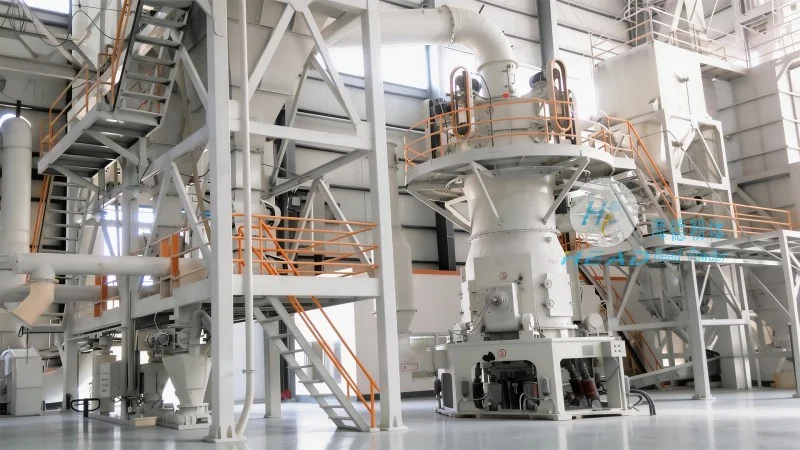
Core Principles of Pneumatic Conveying for Denitrizers
The fundamental principle of pneumatic conveying involves using compressed air or other gas to transport solid materials through a pipeline. In denitrizer applications, this method is preferred over traditional mechanical conveyors due to its ability to handle fine powders without clogging or degradation. The system typically consists of a hopper for material storage, a blower or compressor to generate airflow, a pipeline network, and a discharge point. The air velocity within the pipeline is carefully controlled to maintain a stable flow of the denitrizer powder, preventing particle separation and ensuring consistent delivery to the injection point.
Key Components and Their Functions
Several critical components make up a denitrizer pneumatic conveying system. The hopper, often equipped with a rotary valve or feeder, regulates the flow of denitrizer from the storage tank to the system. The blower or compressor provides the necessary pressure and airflow to move the material through the pipeline. The pipeline itself is usually made of corrosion-resistant materials like stainless steel or PVC to withstand the chemical properties of the denitrizer and the effects of flue gas. At the discharge end, a venturi or other injection device ensures the denitrizer is properly mixed with the flue gas stream for effective NOx reduction. Each component is designed to work in harmony, optimizing the system's efficiency and reliability.
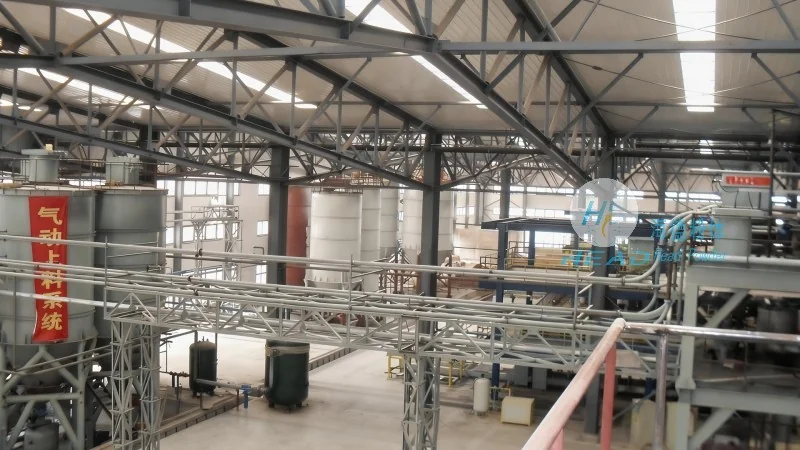
Working Scene Characteristics and Application Scenarios
The working scene characteristics of denitrizer pneumatic conveying systems vary based on the specific industrial environment. In power plants, these systems are commonly used in flue gas desulfurization (FGD) and selective catalytic reduction (SCR) processes. The high-temperature and high-pressure conditions in power plant exhaust systems require robust materials and precise control mechanisms. For example, in coal-fired power plants, the system must handle large volumes of denitrizer while maintaining low pressure drop across the pipeline to avoid energy inefficiencies. In chemical manufacturing facilities, the system may be used to transport denitrizer for industrial processes that require precise dosing and consistent material flow.
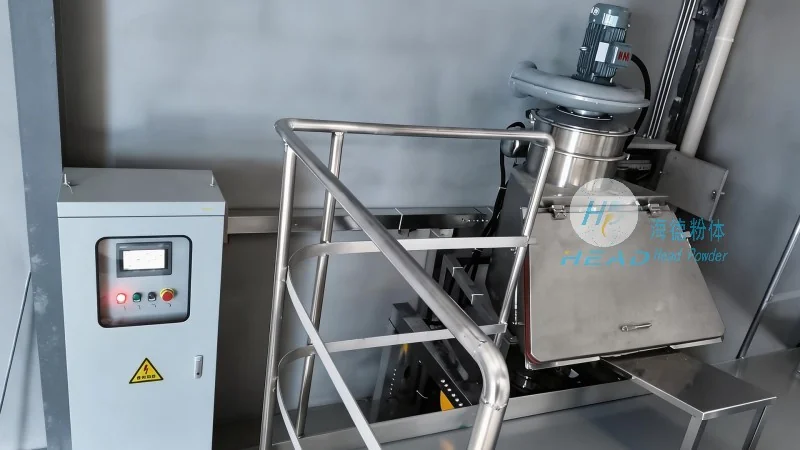
Advantages and Benefits in Industrial Applications
Denitrizer pneumatic conveying systems offer several advantages over other material handling methods. One of the primary benefits is the ability to transport materials over long distances without the need for multiple transfer points, reducing system complexity and maintenance costs. The enclosed pipeline system also minimizes dust emissions and environmental contamination, which is crucial for compliance with environmental regulations. Additionally, the system can be easily integrated with automated control systems, allowing for real-time monitoring and adjustment of the conveying process. This automation enhances operational efficiency and ensures consistent performance, even under varying load conditions.
Operational Considerations and Best Practices
Operational considerations are vital to the successful implementation of denitrizer pneumatic conveying systems. Regular maintenance of the blower, pipeline, and hopper is essential to prevent blockages and ensure consistent airflow. The system should be equipped with pressure sensors and flow meters to monitor performance and detect any abnormalities. Additionally, proper material handling practices, such as preventing moisture accumulation in the denitrizer, are important to maintain the material's quality and prevent clogging. Training operators on the system's operation and safety protocols is also critical to ensure safe and efficient operation. By following these best practices, industrial facilities can maximize the system's lifespan and performance.