

Principle and Working Scene Characteristics of Quartz Stone Pneumatic Conveying Systems
Quartz stone, a widely used material in construction and industrial applications, often requires efficient and reliable transportation methods to move it from one location to another. Pneumatic conveying systems have emerged as a preferred solution for handling quartz stone due to their ability to transport materials in a dust-free environment, enhancing operational safety and product quality. This article explores the fundamental principles of quartz stone pneumatic conveying systems and highlights the key working scene characteristics that define their effectiveness in various industrial settings, with a focus on solutions provided by Shandong HeadPowder Engineering Co., Ltd.
Understanding the Core Principles of Quartz Stone Pneumatic Conveying
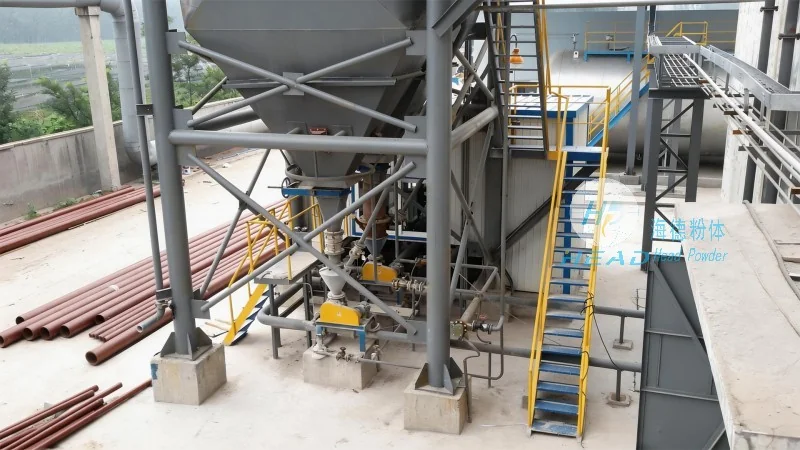
The operation of a quartz stone pneumatic conveying system is based on the fundamental principle of using air to transport solid particles. At its core, the system utilizes a combination of pressure and vacuum to move quartz stone through a network of pipes. The process typically involves a feeding mechanism that introduces quartz stone into the system, where it is then mixed with air to form a slurry or a dense phase flow. This mixture is then propelled through the pipeline by either positive pressure (where air is forced into the system) or negative pressure (where air is drawn out, creating a vacuum). The choice between positive and negative pressure systems depends on factors such as the distance to be covered, the material characteristics, and the desired level of dust control.
Key Working Scene Characteristics of Quartz Stone Pneumatic Conveying Systems
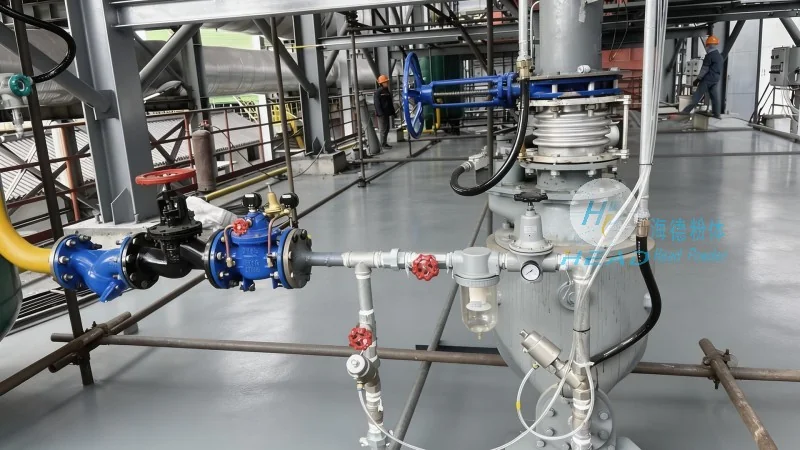
Quartz stone pneumatic conveying systems are designed to operate effectively in diverse industrial environments, each with unique requirements and challenges. The working scene characteristics of these systems include several critical aspects that ensure optimal performance and efficiency. Firstly, the system's ability to handle abrasive materials like quartz stone is crucial. Quartz is known for its hardness and durability, which can cause wear on the system components over time. Therefore, the design of the conveying system, including the choice of materials for pipes, valves, and other components, is critical to ensure longevity and minimal maintenance. Secondly, the system's capacity to maintain a dust-free environment is a significant advantage. Unlike traditional belt or bucket elevators, pneumatic conveying systems can transport quartz stone without generating dust, which is essential for maintaining a safe and healthy workplace, especially in environments where dust can cause respiratory issues or affect product quality.
Applications and Industrial Scenarios Where Quartz Stone Pneumatic Conveying Systems Excel
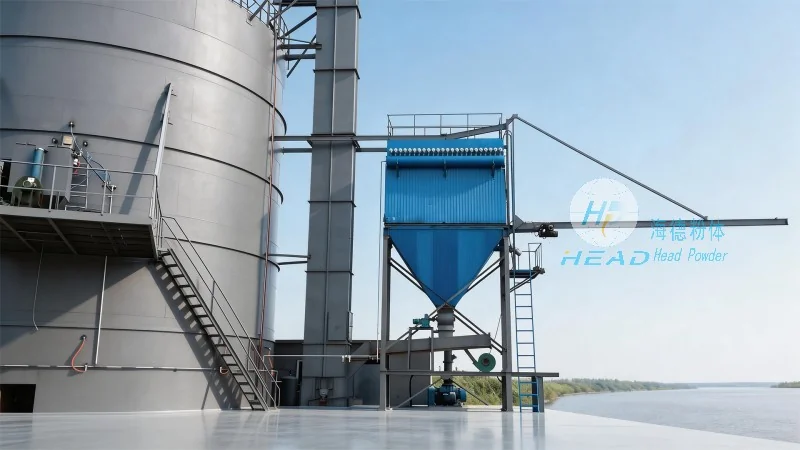
Quartz stone pneumatic conveying systems are widely used in various industrial applications where the efficient and safe transport of quartz stone is essential. In the construction industry, these systems are commonly employed in the production of quartz-based building materials, such as quartz countertops and tiles. The ability to transport quartz stone from raw material storage to processing facilities without the need for manual handling or open-air transport reduces the risk of contamination and improves overall production efficiency. In the mining and quarrying sector, pneumatic conveying systems are used to move crushed quartz stone from the extraction site to processing plants or storage areas. This method is particularly advantageous in remote or difficult-to-access locations where traditional transport methods may be impractical. Additionally, in the manufacturing of quartz-based products, such as glass and ceramics, the system's ability to maintain a clean and controlled environment is vital for ensuring the quality of the final product. The consistent and reliable transport of quartz stone through the production line helps in maintaining uniform product characteristics and reducing waste.
Advantages and Considerations for Implementing Quartz Stone Pneumatic Conveying Systems
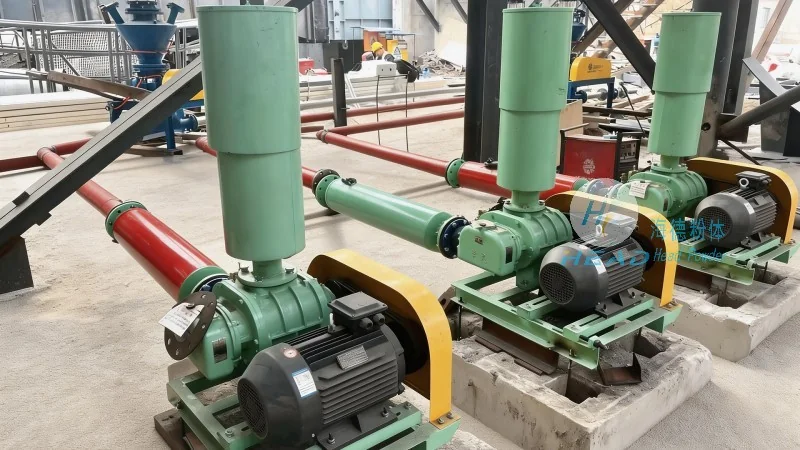
Implementing a quartz stone pneumatic conveying system offers several advantages that make it a preferred choice for many industries. One of the primary benefits is the reduction in labor costs associated with manual handling of heavy and abrasive materials. By automating the transport process, companies can minimize the risk of workplace injuries and improve overall operational efficiency. Another significant advantage is the ability to maintain a dust-free environment, which not only enhances workplace safety but also improves product quality by preventing contamination. Furthermore, pneumatic conveying systems are highly flexible and can be easily integrated into existing production lines, allowing for scalability and adaptability as production needs change. However, there are also considerations to keep in mind when implementing such a system. The initial investment cost can be higher compared to traditional transport methods, and the system requires regular maintenance to ensure optimal performance. Additionally, the system's efficiency depends on the proper selection of components, such as the type of air compressor and the design of the pipeline network, which must be tailored to the specific characteristics of the quartz stone being transported.
Conclusion: The Role of Quartz Stone Pneumatic Conveying Systems in Modern Industry
Quartz stone pneumatic conveying systems play a vital role in modern industrial operations, providing an efficient, safe, and reliable method for transporting quartz stone. By understanding the core principles and working scene characteristics of these systems, industries can make informed decisions about their implementation. The ability to handle abrasive materials, maintain a dust-free environment, and integrate seamlessly into production lines makes quartz stone pneumatic conveying systems an indispensable tool for companies operating in the construction, mining, and manufacturing sectors. As technology continues to advance, these systems are likely to become even more efficient and adaptable, further enhancing their role in the future of industrial material handling, with solutions provided by Shandong HeadPowder Engineering Co., Ltd. based in Shandong, China.