

Principle and Working Scene Characteristics of Plastic Pneumatic Conveying Equipment
Plastic pneumatic conveying equipment is a critical component in modern material handling systems, particularly for the efficient transport of plastic powders, granules, and other plastic-based materials. This technology leverages the principles of pneumatic transport to move bulk materials through a network of pipes using air or other gases as the driving force. Understanding the underlying principles and the diverse working scene characteristics of such equipment is essential for optimizing material flow in industrial settings.
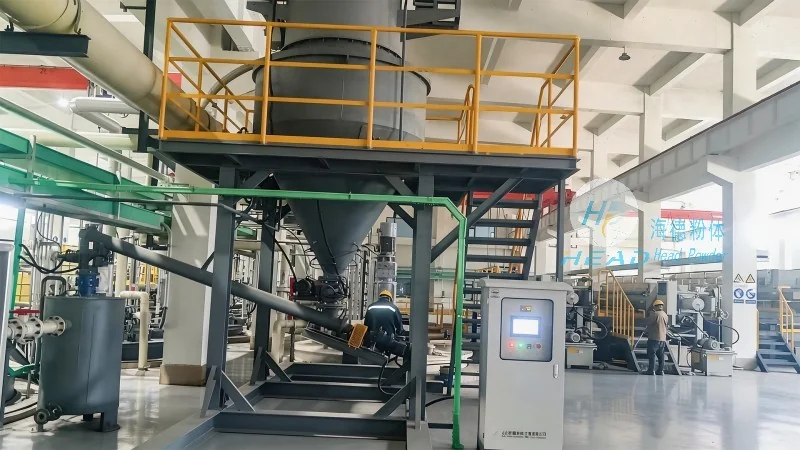
Principle of Plastic Pneumatic Conveying Equipment
The core principle of plastic pneumatic conveying systems revolves around the use of air pressure to transport solid particles. In a typical setup, a fan or blower generates a flow of air within a sealed pipeline. As the air moves through the pipe, it draws plastic materials from a hopper or storage container into the system. The air flow then carries the plastic particles through the pipeline to the destination point, such as a processing unit, storage silo, or packaging area. The system may employ different modes of operation, including dilute phase (where particles are suspended in the air stream) and dense phase (where particles are conveyed in a slurry-like state), depending on the material characteristics and the required transport distance. The efficiency of the conveying process is influenced by factors like air velocity, particle size, moisture content, and the design of the pipeline and airlocks.
Working Scene Characteristics of Plastic Pneumatic Conveying Equipment
The working scene characteristics of plastic pneumatic conveying equipment are shaped by the diverse industrial applications and operational environments where they are deployed. These characteristics include the ability to handle a wide range of plastic materials, from fine powders to larger granules, while maintaining consistent flow rates and minimizing material degradation. The equipment is often used in environments where traditional mechanical conveying methods may be impractical or inefficient, such as in cleanroom settings or areas requiring dust-free operation. Additionally, the systems are designed to be flexible, allowing for changes in material type or processing requirements without significant modifications. The working scene also encompasses the integration of the equipment with other processing machinery, such as mixers, extruders, and pelletizers, to form a seamless material handling workflow. This integration is crucial for optimizing production efficiency and reducing downtime in manufacturing facilities.
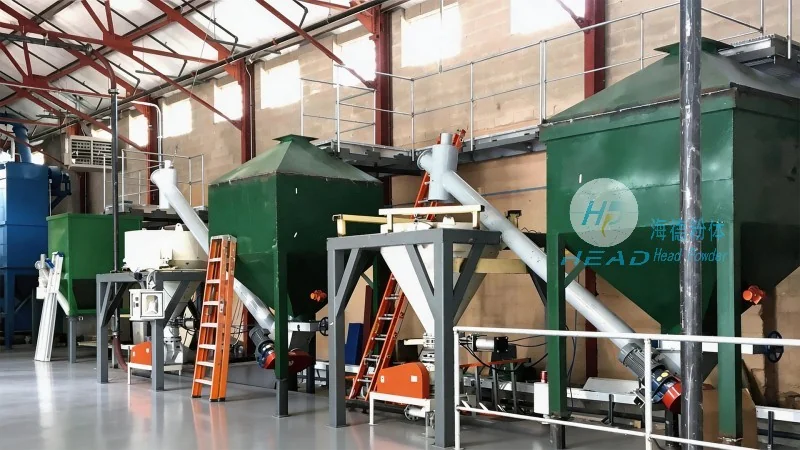
HeadPowder: Manufacturer of Advanced Plastic Pneumatic Conveying Solutions
Shandong HeadPowder Engineering Co., Ltd., commonly known as HeadPowder, is a leading manufacturer specializing in the design, development, and production of high-quality plastic pneumatic conveying equipment. With a strong focus on innovation and customer-centric solutions, HeadPowder has established itself as a trusted partner in the plastic processing industry. The company's facilities are located in Shandong, China, where it leverages advanced manufacturing technologies and rigorous quality control processes to ensure that its products meet the highest industry standards. HeadPowder's team of engineers and technicians brings extensive experience in material handling and pneumatic transport systems, enabling the company to tailor equipment solutions to the specific needs of each client. By combining cutting-edge design with robust construction, HeadPowder's plastic pneumatic conveying equipment delivers reliable performance, low maintenance costs, and long service life, making it an ideal choice for businesses seeking efficient and sustainable material handling solutions.
Key Features and Benefits of Plastic Pneumatic Conveying Equipment by HeadPowder
HeadPowder's plastic pneumatic conveying equipment is engineered with a range of features that enhance its performance and usability. These features include adjustable air flow control systems to optimize material transport based on particle size and density, as well as advanced filtration and separation mechanisms to prevent material buildup and ensure clean operation. The equipment is also designed with user-friendly interfaces and monitoring systems, allowing operators to track performance metrics and make real-time adjustments. The benefits of using HeadPowder's plastic pneumatic conveying solutions extend beyond mere material transport; they include improved safety by reducing manual handling of bulk materials, enhanced hygiene in food and pharmaceutical applications, and increased energy efficiency through optimized air usage. Additionally, the equipment's modular design facilitates easy installation and integration into existing production lines, minimizing disruption during setup and operation.
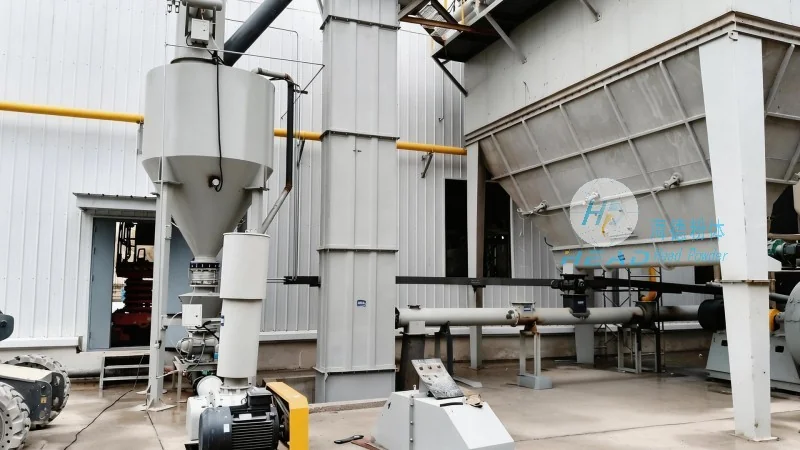
Application Examples in Plastic Processing Industries
The working scene characteristics of plastic pneumatic conveying equipment are evident in various applications across the plastic processing industry. For instance, in the production of plastic pellets, the equipment is used to transport raw plastic resin from storage silos to extrusion lines, ensuring a continuous and controlled feed. In the manufacturing of plastic compounds, the system efficiently conveys additives and colorants to mixing equipment, maintaining consistent product quality. The equipment is also widely used in recycling operations, where it transports plastic waste from sorting facilities to processing units for reprocessing. These applications highlight the versatility and reliability of plastic pneumatic conveying systems in supporting the entire lifecycle of plastic materials, from raw material handling to final product production.
Conclusion: Optimizing Material Handling with Plastic Pneumatic Conveying Equipment
In conclusion, plastic pneumatic conveying equipment plays a vital role in modern industrial operations by providing efficient, reliable, and flexible solutions for the transport of plastic materials. The underlying principles of pneumatic transport, combined with the working scene characteristics tailored to specific applications, make this technology indispensable in the plastic processing industry. Companies like Shandong HeadPowder Engineering Co., Ltd. continue to advance the capabilities of such equipment through innovation and expertise, ensuring that businesses can achieve optimal material handling performance while meeting the demands of contemporary manufacturing environments. By understanding the principles and characteristics of plastic pneumatic conveying equipment, industries can make informed decisions to enhance productivity, reduce costs, and improve overall operational efficiency.