

Principle and Working Scene Characteristics of Phenolic Resin Powder Pneumatic Conveying Equipment
Phenolic resin powder, a type of thermosetting polymer, is widely used in various industrial applications due to its excellent mechanical properties, chemical resistance, and thermal stability. The efficient and reliable transport of phenolic resin powder from storage to processing units is crucial for maintaining production efficiency and product quality. Pneumatic conveying systems offer a solution to this challenge by utilizing air or gas to move powders through a pipeline network. This article explores the fundamental principles of phenolic resin powder pneumatic conveying equipment and highlights the key characteristics of its working scenarios.
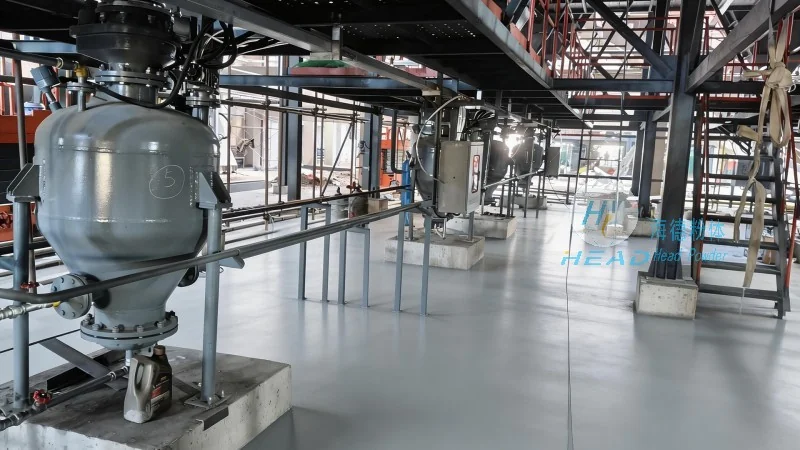
Company Overview: Shandong HeadPowder Engineering Co., Ltd.
Headpowder, the professional manufacturer behind this technology, is dedicated to providing high-quality pneumatic conveying solutions tailored to the needs of the phenolic resin industry. With a focus on innovation and customer satisfaction, the company has established itself as a leading provider of industrial powder handling equipment. Headpowder's expertise lies in designing and manufacturing equipment that ensures safe, efficient, and cost-effective material transport, particularly for materials like phenolic resin powder that require precise control and minimal degradation during handling.
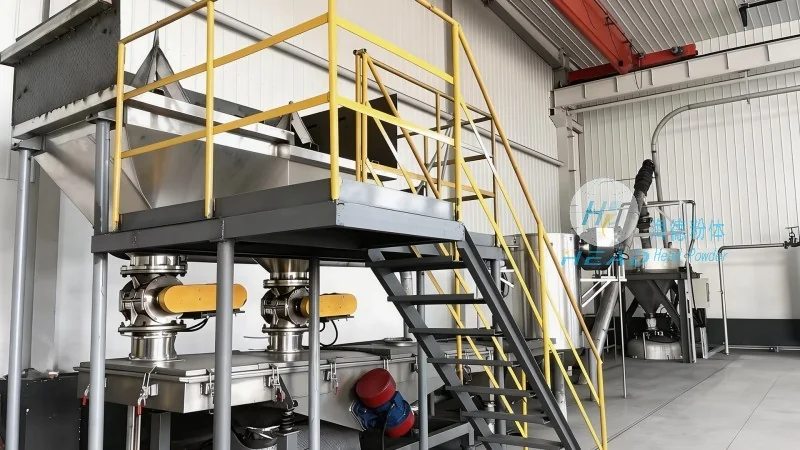
Principle of Pneumatic Conveying for Phenolic Resin Powder
The core principle of pneumatic conveying involves the use of a pressure or vacuum system to transport solid particles through a pipeline using air or gas as the conveying medium. For phenolic resin powder, which is typically fine and abrasive, the conveying system must be designed to handle these characteristics effectively. The process generally involves several key components: a hopper or feeder to store and feed the powder, a compressor or blower to generate the necessary air flow, a pipeline network to guide the powder, and a receiver or discharge point to collect the material. The air velocity within the pipeline is critical; it must be sufficient to keep the powder particles suspended and prevent blockages or deposition. In pressure conveying systems, the air is introduced at a higher pressure than the ambient environment, pushing the powder forward through the pipeline. In vacuum conveying systems, a vacuum is created at the receiver end, drawing the powder from the source to the collection point. The choice between pressure and vacuum depends on factors such as the distance, height, and material properties of the powder being transported.
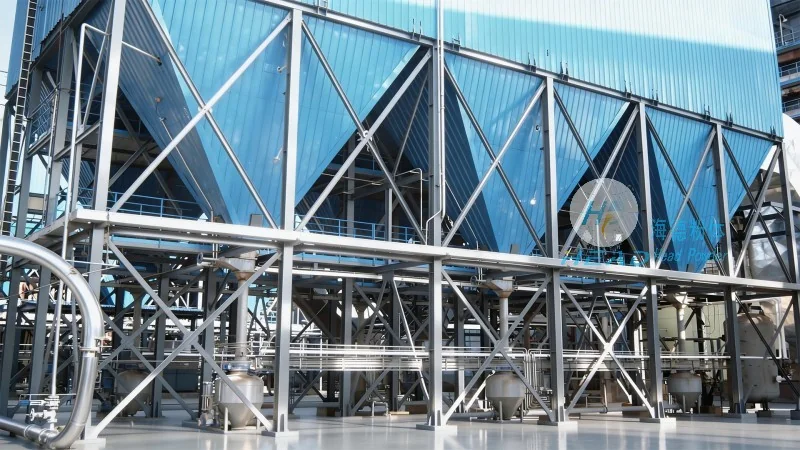
Working Scene Characteristics of Phenolic Resin Powder Pneumatic Conveying Equipment
The working scenarios for phenolic resin powder pneumatic conveying equipment vary based on the specific requirements of the industrial application. These characteristics include:
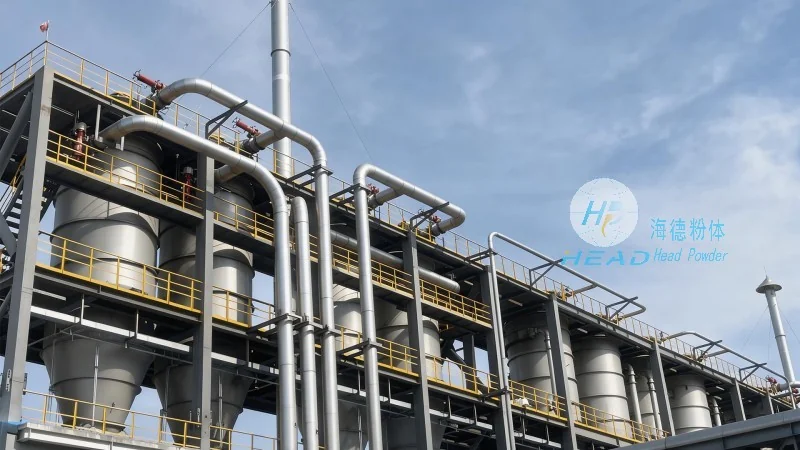
- Material Handling Efficiency: The equipment is designed to handle large volumes of phenolic resin powder with minimal downtime. The system's ability to maintain consistent air flow and pressure ensures smooth material transport, reducing the risk of clogging or material loss.
- Space Utilization: Pneumatic conveying systems are particularly advantageous in applications where space is limited or where a traditional belt or bucket conveyor would be impractical. The compact design of the equipment allows for flexible installation in various production layouts, making it suitable for both new and existing facilities.
- Process Integration: The equipment can be seamlessly integrated into existing production lines, allowing for automated material transfer from storage silos to processing units, such as mixers, extruders, or molding machines. This integration enhances overall production efficiency and reduces manual handling, which can lead to contamination or product damage.
- Environmental Control: Phenolic resin powder is often handled in environments where dust control is essential to maintain air quality and comply with safety regulations. Pneumatic conveying systems are enclosed, preventing dust from escaping into the workplace. The system's design includes features like dust collection and filtration to ensure a clean and safe working environment.
- Material Protection: Phenolic resin powder is sensitive to moisture and can degrade if exposed to air for extended periods. The enclosed nature of pneumatic conveying systems minimizes exposure to ambient air, reducing the risk of moisture absorption and maintaining the material's quality and performance characteristics. This is particularly important for applications where the powder's properties directly impact the final product's quality.
Key Features and Advantages of Phenolic Resin Powder Pneumatic Conveying Systems
Phenolic resin powder pneumatic conveying systems offer several advantages that make them a preferred choice for industrial applications: