

Principle and Working Scene Characteristics of Negative Pressure Dilute Phase Pneumatic Conveying Li
HeadPowder, a leading provider in the field of material handling solutions, specializes in advanced pneumatic conveying systems. Based in Shandong, China, the company has established itself as a trusted partner for industries requiring efficient and reliable material transport. This article delves into the principle and working scene characteristics of negative pressure dilute phase pneumatic conveying lines, highlighting the technical aspects and practical applications that define this technology.
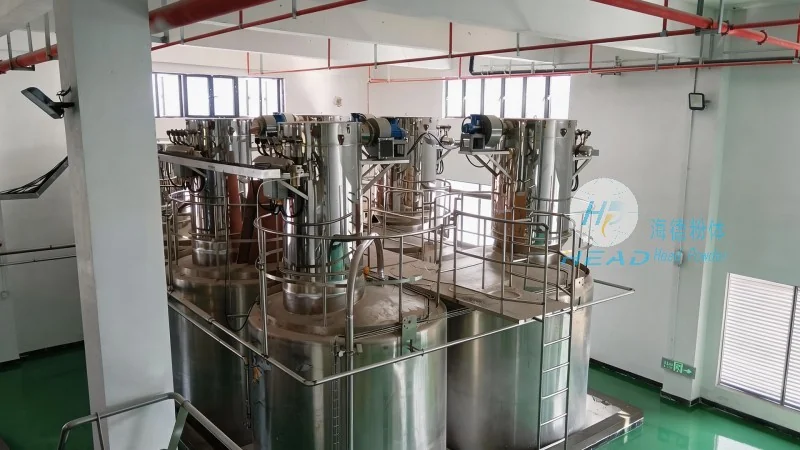
Understanding Negative Pressure Dilute Phase Pneumatic Conveying
Negative pressure dilute phase pneumatic conveying is a method of transporting bulk materials through a pipeline using a vacuum or negative pressure environment. Unlike positive pressure systems that force air and material through the line, negative pressure systems draw material into the pipeline by creating a lower pressure zone. This approach is particularly effective for materials that are sensitive to pressure changes or for applications where dust control is a priority. The system operates by using a vacuum pump to create a suction effect, which pulls the material from the source and transports it to the destination. The material is typically suspended in a dilute phase, meaning it is dispersed in the air as fine particles, allowing for smooth and continuous flow.
Key Components and Operational Principle
The core components of a negative pressure dilute phase pneumatic conveying line include the vacuum source, material feed system, conveying pipeline, and discharge equipment. The vacuum pump, often a rotary vane or roots blower, generates the necessary suction force to move the material. The material feed system, such as a hopper or feeder, ensures a consistent flow of material into the pipeline. The conveying pipeline is designed to maintain the negative pressure throughout the system, preventing air leakage and ensuring efficient transport. The discharge equipment, typically a receiver or silo, collects the material at the end of the line. The operational principle involves creating a pressure differential between the source and destination, with the source being at a lower pressure (vacuum) and the destination at atmospheric pressure. This pressure difference drives the material flow, making the system self-sustaining once the vacuum is established.
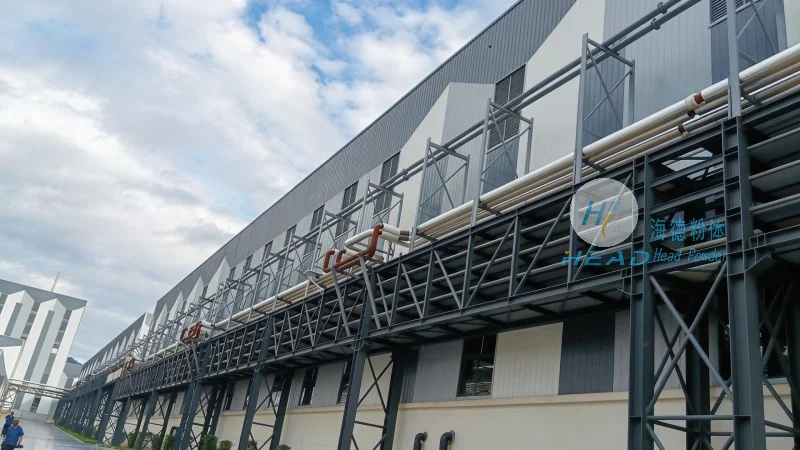
Advantages of Negative Pressure Dilute Phase Systems
One of the primary advantages of negative pressure dilute phase pneumatic conveying is its ability to handle materials that are prone to dust generation or that require gentle handling. The low pressure environment minimizes material degradation and reduces the risk of product contamination. Additionally, the system is highly effective for long-distance transport, as the negative pressure can be maintained over extended pipeline lengths without significant pressure loss. Another key benefit is the reduced energy consumption compared to positive pressure systems, as the vacuum pump operates at lower pressures and speeds. The system also offers better dust control, as the material is contained within the pipeline and the air is filtered before release, making it suitable for applications in pharmaceutical, food, and chemical industries where hygiene is critical.
Common Working Scene Applications
HeadPowder's negative pressure dilute phase pneumatic conveying lines are widely used in various industrial applications. In the pharmaceutical industry, these systems are employed to transport powders and granules, ensuring that the materials remain sterile and free from contamination. The food industry utilizes them for handling ingredients like flour, sugar, and spices, maintaining product quality and safety. In the chemical sector, the systems are used to transport powders and granules, such as catalysts and reagents, where precise control over material flow is essential. The technology is also applied in the cement and mineral processing industries, where it helps in transporting raw materials and finished products efficiently. The versatility of the system allows it to be adapted to different material types and process requirements, making it a preferred choice for many industries.
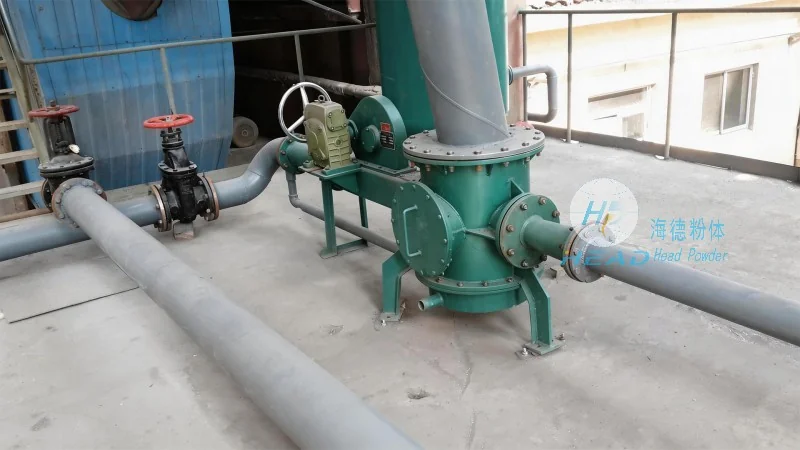
Installation and Maintenance Considerations
Proper installation and maintenance are crucial for the optimal performance of negative pressure dilute phase pneumatic conveying lines. The system must be designed to prevent air leakage, as any leaks can compromise the vacuum and reduce efficiency. Regular inspection of the pipeline for cracks or damage is necessary to maintain the integrity of the system. The vacuum pump and other components require periodic maintenance to ensure they operate at peak efficiency. Filters should be checked and replaced regularly to prevent clogging and maintain air quality. The material feed system should be adjusted to maintain a consistent flow rate, as fluctuations can affect the system's performance. HeadPowder provides comprehensive support for installation and maintenance, ensuring that clients can maximize the lifespan and efficiency of their conveying systems.
Conclusion
Negative pressure dilute phase pneumatic conveying lines offer a reliable and efficient solution for bulk material transport. With its ability to handle sensitive materials, long-distance transport capabilities, and reduced energy consumption, the technology is well-suited for various industrial applications. HeadPowder, with its expertise and commitment to quality, continues to provide advanced material handling solutions that meet the evolving needs of industries. By understanding the principle and working scene characteristics of these systems, businesses can make informed decisions about implementing effective and sustainable material transport solutions.