

Principle and Working Scene Characteristics of Yunying Stone Pneumatic Conveying Lines
Yunying stone, a type of high-quality mineral material, is widely used in various industrial applications. The efficient transportation of Yunying stone from production sites to processing facilities or storage areas is crucial for maintaining production efficiency and reducing operational costs. Pneumatic conveying systems, particularly those designed for Yunying stone, offer a reliable and effective solution to this challenge. This article explores the fundamental principles of Yunying stone pneumatic conveying lines and highlights the key characteristics of their working environments.
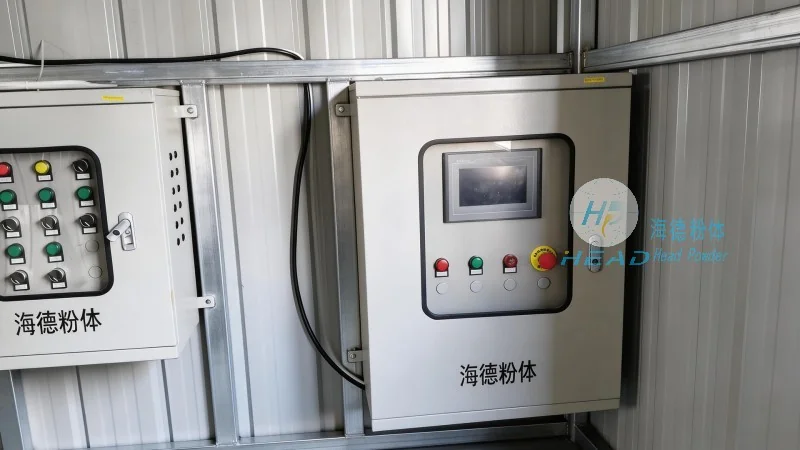
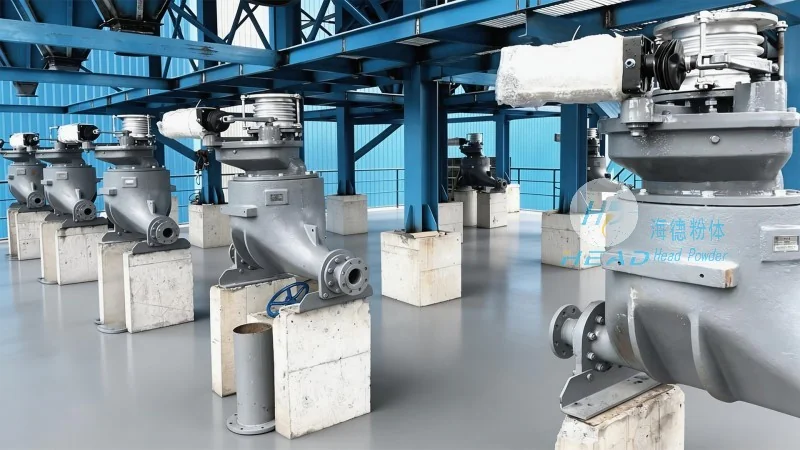
Core Principle of Pneumatic Conveying for Yunying Stone
The core principle of Yunying stone pneumatic conveying lines is the use of air as the conveying medium to transport solid particles. The system typically consists of a series of components, including a hopper, a rotary valve, a conveying pipe, a separator, and a dust collector. When Yunying stone is fed into the hopper, it is drawn into the conveying pipe by the air flow generated by a fan or blower. The air velocity within the pipe is maintained at a level sufficient to keep the particles suspended, ensuring smooth and continuous transport. The design of the conveying line, including the pipe diameter, length, and inclination, is critical to achieving optimal performance and minimizing pressure drop. The rotary valve at the inlet controls the flow rate of the material, while the separator at the outlet separates the air from the stone particles, allowing the stone to be discharged into the target location.
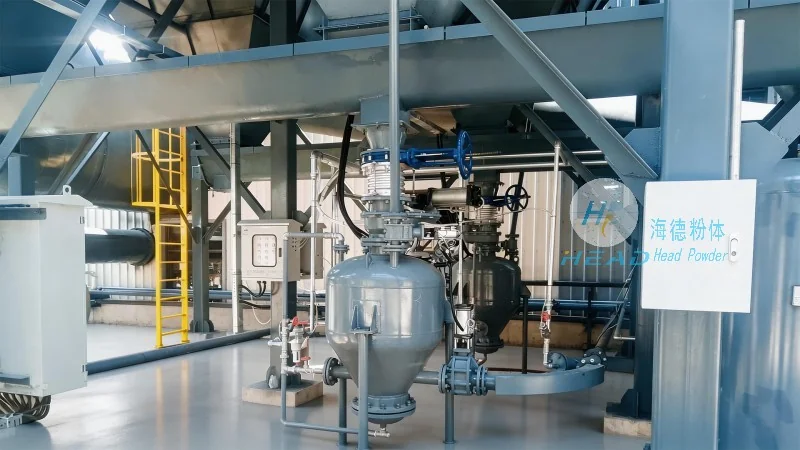
Key Working Scene Characteristics
The working scene characteristics of Yunying stone pneumatic conveying lines vary based on the specific application and operational requirements. Some common characteristics include:
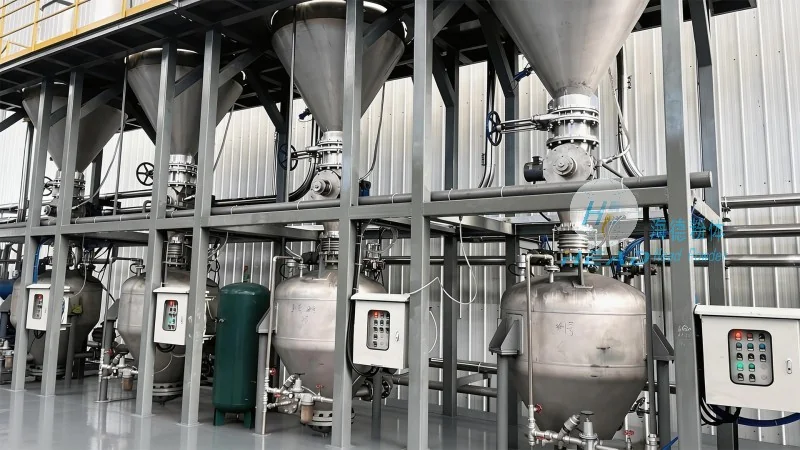
- High-Volume Transport: In large-scale mining or processing operations, pneumatic conveying systems are capable of handling high volumes of Yunying stone, often at rates exceeding 100 tons per hour. This makes them suitable for continuous production lines where a steady supply of material is essential.
- Low Maintenance Requirements: Compared to traditional mechanical conveying systems, pneumatic conveying lines have fewer moving parts, reducing the need for frequent maintenance and minimizing downtime. The absence of belts, chains, or other mechanical components also lowers the risk of wear and tear, leading to longer service life.
- Space Efficiency: Pneumatic conveying systems can be installed in confined spaces or overhead areas, making them ideal for facilities with limited floor space. The flexible design of the conveying pipes allows for easy routing around obstacles, optimizing the use of available space.
- Environmental Considerations: Modern pneumatic conveying systems incorporate dust collection and filtration systems to minimize air pollution and ensure compliance with environmental regulations. The use of sealed conveying lines prevents dust emissions, contributing to a cleaner and safer working environment.
Application Scenarios
Yunying stone pneumatic conveying lines are widely used in various industrial sectors, including: