

Principle and Working Scene Characteristics of Additive Pneumatic Conveying Lines
For businesses in the additive manufacturing and material handling sectors, efficient and reliable material transport is crucial. The additive pneumatic conveying line, a specialized system designed for transporting bulk materials like additives, plays a vital role in modern industrial processes. This article explores the fundamental principles behind these systems and highlights the key characteristics of their operational environments.
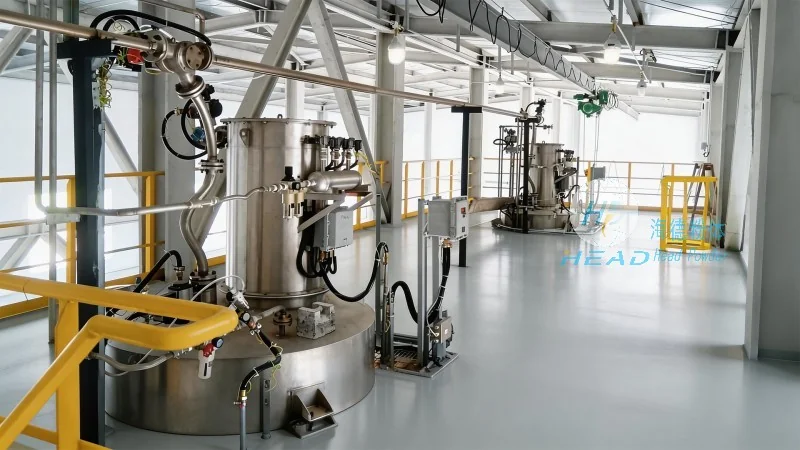
Introduction to Additive Pneumatic Conveying Lines
HeadPowder, a leading manufacturer based in Shandong, China, specializes in engineering solutions for material handling. The company's expertise lies in designing and implementing pneumatic conveying systems tailored to the unique needs of various industries. These systems are engineered to ensure safe, efficient, and cost-effective transport of additives, which are essential components in many manufacturing processes.
The Core Principle of Pneumatic Conveying
The fundamental principle of additive pneumatic conveying lines is the use of compressed air or gas to move bulk materials through a pipeline. Unlike traditional mechanical conveyors, which rely on mechanical components like belts or screws, pneumatic systems utilize air pressure to propel materials. This method is particularly effective for transporting fine powders and granules, which are common additives in industries such as pharmaceuticals, food processing, and chemical manufacturing.
At its core, the system operates by creating a pressure differential between the inlet and outlet of the pipeline. Compressed air is introduced at the inlet, creating a flow that pulls the material particles along with it. The velocity of the air is carefully controlled to ensure that the material is conveyed without causing excessive wear or degradation. This principle allows for a flexible and adaptable system that can be customized to handle different types of additives and varying material flow rates.
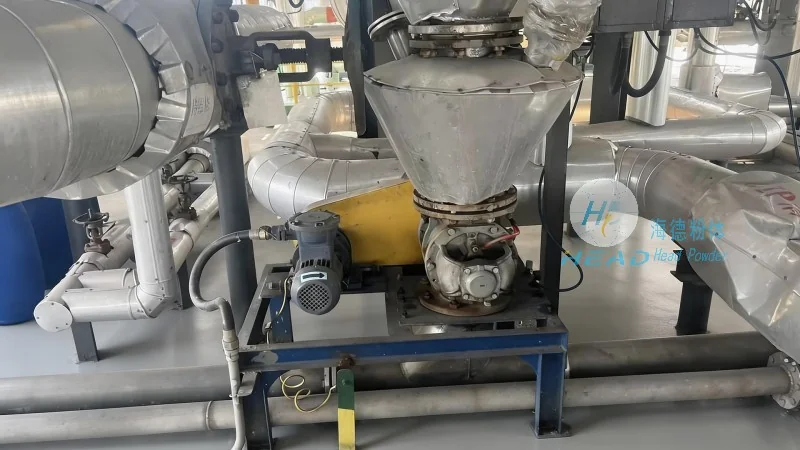
Key Working Scene Characteristics
The operational environment of additive pneumatic conveying lines is characterized by several distinct features that set them apart from other material handling systems. These characteristics are crucial for understanding how the system performs in real-world applications and for selecting the right system for specific industrial needs.
1. Versatility in Material Handling
One of the primary characteristics of these systems is their ability to handle a wide range of additive types. Whether it's fine powders, granules, or even bulk materials, the system can be configured to accommodate different particle sizes, densities, and flow properties. This versatility makes it suitable for diverse applications, from pharmaceuticals to food additives and chemical ingredients.
2. Space Efficiency and Layout Flexibility
Pneumatic conveying lines are known for their compact design and ability to navigate complex layouts. Unlike large mechanical conveyors that require significant floor space and rigid installation, pneumatic systems can be installed in tight spaces and follow the contours of a facility. This flexibility allows for efficient use of available space and can be integrated into existing production lines without major structural modifications.
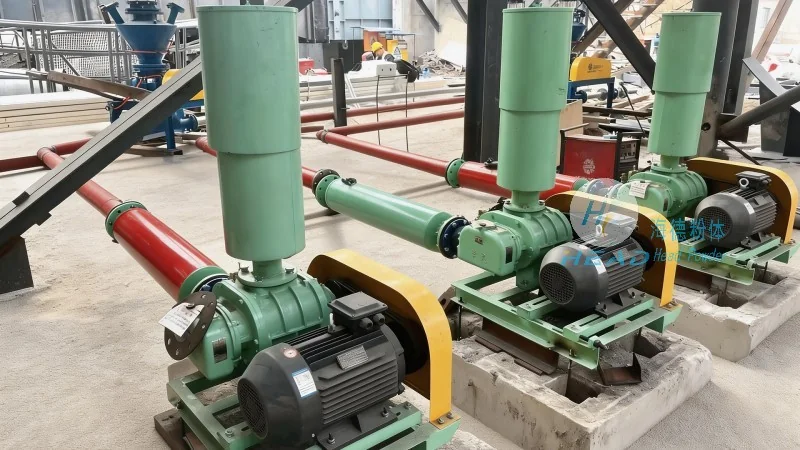
3. Minimal Downtime and Maintenance
Another key characteristic is the reduced downtime and maintenance requirements compared to traditional systems. Pneumatic conveying systems have fewer moving parts, which translates to lower maintenance costs and less risk of mechanical failure. The absence of heavy components like belts or chains also means less wear and tear, leading to longer operational life and higher reliability.
4. Environmental and Safety Considerations
Operational environments for additive pneumatic conveying lines often emphasize environmental and safety standards. The systems are designed to minimize dust emissions and ensure proper containment of materials, which is critical in industries where air quality and worker safety are paramount. Advanced filtration and sealing technologies are incorporated to prevent material leakage and maintain a clean working environment.
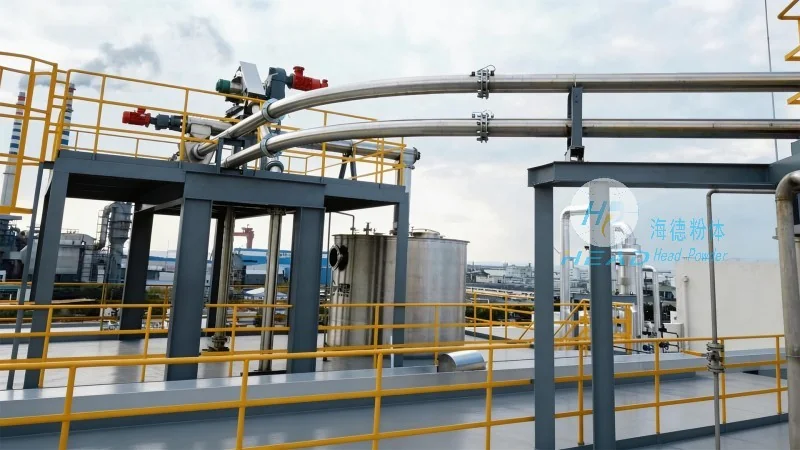
Application Scenarios and Industry Impact
The working scene characteristics of additive pneumatic conveying lines make them ideal for a variety of industrial applications. In the pharmaceutical industry, for example, these systems are used to transport active pharmaceutical ingredients (APIs) and excipients with high precision and minimal contamination. In the food processing sector, they ensure the safe and hygienic transport of food additives, maintaining product quality and compliance with regulatory standards.
In the chemical manufacturing industry, the systems are employed to handle various chemical additives, ensuring efficient production and reducing material waste. The ability to handle fine powders and granules without degradation makes them particularly valuable in processes where material quality is critical.
Conclusion
HeadPowder's additive pneumatic conveying lines represent a sophisticated solution for modern material handling challenges. By leveraging the principles of pneumatic transport and incorporating key operational characteristics, these systems offer businesses in Shandong and beyond a reliable, efficient, and adaptable method for transporting additives. The company's commitment to engineering excellence and customer-specific solutions ensures that these systems meet the unique demands of each application, contributing to improved productivity and operational efficiency in various industries.