

Principle and Working Scene Characteristics of Chloroprene Rubber Pneumatic Conveying Lines
Chloroprene rubber, or neoprene, is a synthetic elastomer renowned for its exceptional resistance to oil, ozone, and weathering, making it a preferred material in diverse industrial applications such as automotive parts, adhesives, and protective coatings. The pneumatic conveying line for chloroprene rubber is a specialized system engineered to transport this material efficiently and safely from a source to a destination. This article delves into the fundamental principles governing such systems and highlights the key characteristics of their operational environments, providing a comprehensive overview for industry professionals and potential users.
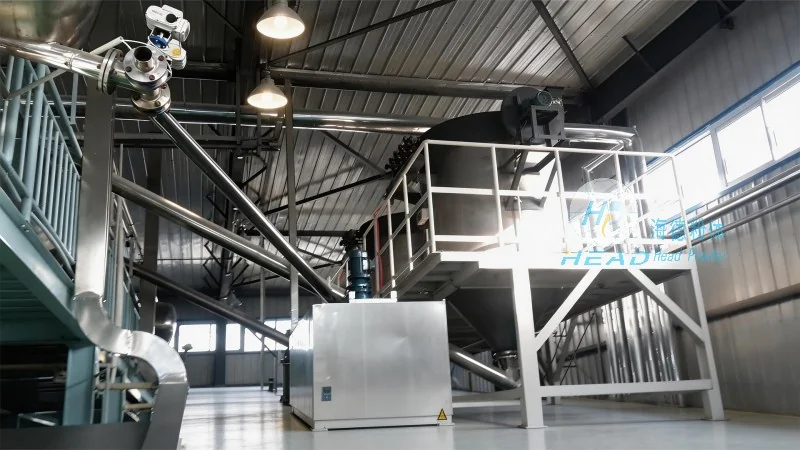
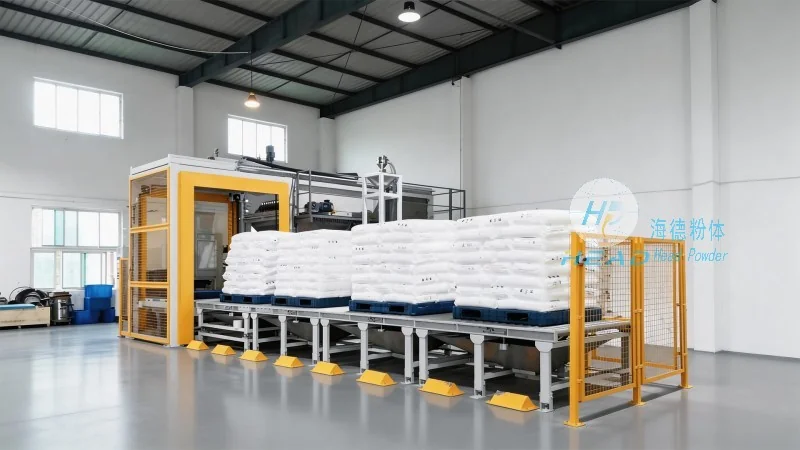
Core Principles of Pneumatic Conveying Systems
The pneumatic conveying line operates on the principle of utilizing air or other gases to move bulk materials through a pipeline. For chloroprene rubber, the system typically employs positive pressure (where air is forced into the line) or negative pressure (where air is drawn out), or a combination of both, to transport the material. The process involves several critical components: a hopper for material storage, a feeder to regulate the flow rate, a conveyor line equipped with specialized liners to prevent material degradation, and a receiver for the delivered material. The air flow is managed by a blower or fan, which provides the necessary pressure to move the rubber particles through the system. The design of the conveying line must account for factors such as the material's density (typically around 1.2 g/cm³), particle size (ranging from fine powders to granules), and moisture content to ensure optimal performance and prevent blockages or degradation. For instance, high-density materials may require higher air velocities to maintain flow, while fine powders may need additional measures to prevent caking or agglomeration.
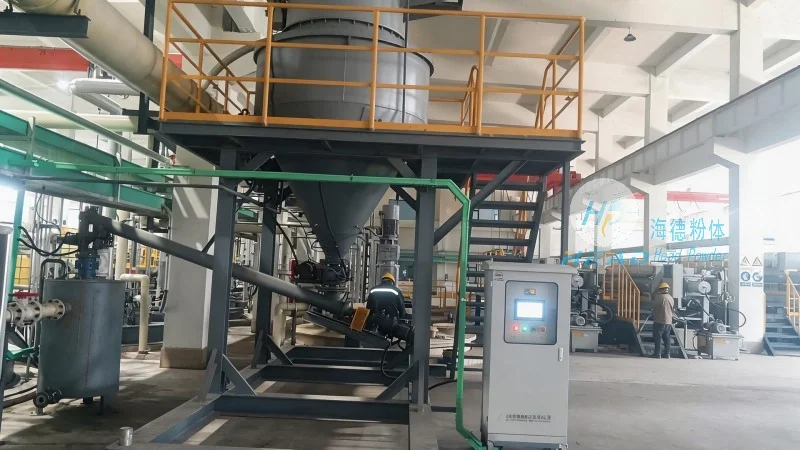
Working Scene Characteristics
The operational environment of a chloroprene rubber pneumatic conveying line is defined by several key characteristics that influence its design and performance. First, the material's chemical properties necessitate the use of materials resistant to chloroprene rubber, such as stainless steel or specialized polymeric components. This prevents the rubber from degrading or contaminating the system, ensuring product purity and system longevity. Second, the system must address the material's tendency to generate static electricity during transport. Proper grounding and anti-static measures are therefore critical to prevent sparks or fires, which are significant safety hazards in industrial settings. Third, the conveying line must be adaptable to varying temperatures and humidity levels, as these factors can affect the material's flow characteristics and the system's efficiency. For example, in high-humidity environments, moisture can cause the rubber to clump, leading to blockages, while extreme temperatures may affect the air flow dynamics. Additionally, the system's integration with other industrial equipment, such as mixing or processing units, is crucial for maintaining a smooth workflow and minimizing downtime. The layout of the conveying line, including vertical and horizontal segments, must be carefully planned to optimize material transport and reduce energy consumption.
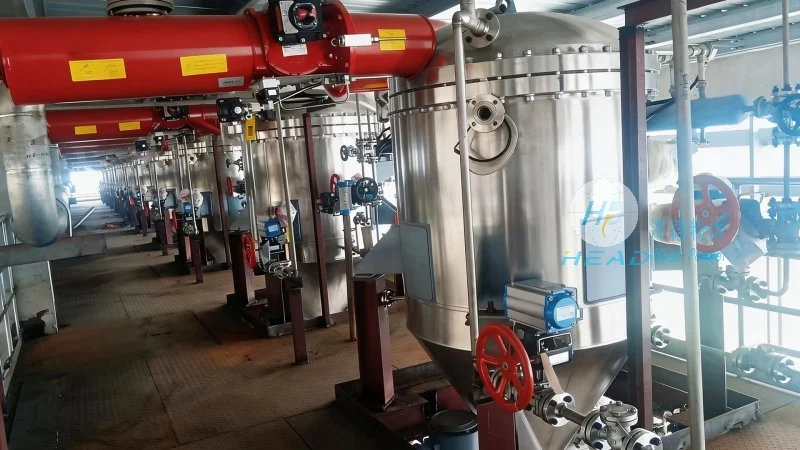
Application Scenarios and Benefits
The chloroprene rubber pneumatic conveying line is widely utilized in various industrial applications, including the manufacturing of rubber products, adhesives, and protective coatings. In these scenarios, the system offers several advantages over traditional transport methods like belt conveyors or bucket elevators. For instance, pneumatic conveying allows for a more compact and flexible layout, as the material can be transported through vertical or horizontal pipelines without the need for complex machinery. This reduces the overall footprint of the facility and improves space utilization, which is particularly valuable in densely populated industrial areas. Additionally, the system provides higher material handling efficiency, as it can transport materials at higher speeds and with less risk of material degradation compared to other methods. The ability to control the flow rate precisely also helps in maintaining consistent product quality and reducing waste, which is essential for meeting stringent quality standards in industries like automotive manufacturing. Furthermore, the system's versatility in handling a wide range of particle sizes and material types makes it suitable for different production needs, from fine powders to larger granules. In summary, the chloroprene rubber pneumatic conveying line is a reliable and efficient solution for transporting this critical material, enhancing productivity and ensuring product integrity in industrial settings.