

Principle and Working Scene Characteristics of Copper Sulfate Pneumatic Conveying Lines
Copper sulfate, a vital chemical in industries ranging from agriculture to mining and water treatment, often requires efficient and safe transportation methods. Pneumatic conveying lines offer a sophisticated solution by utilizing compressed air to move the material through a sealed pipeline system. This approach not only enhances operational efficiency but also ensures environmental safety by containing the material and preventing dust dispersion. The following article delves into the fundamental principles of copper sulfate pneumatic conveying and outlines the key working scene characteristics that define its application in various industrial settings.
Principle of Pneumatic Conveying for Copper Sulfate
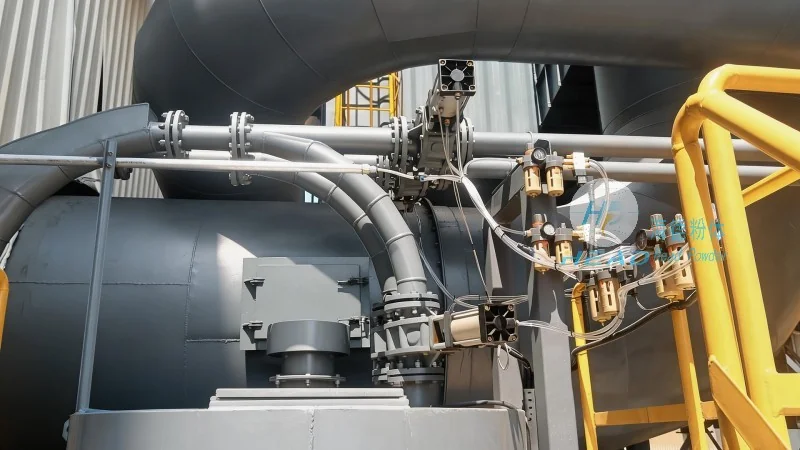
The core mechanism of pneumatic conveying involves the interaction between solid particles (copper sulfate) and a moving air stream. The system typically comprises several components: a hopper for material storage, a feeder to control the material flow rate, a conveying line (usually made of stainless steel or other corrosion-resistant materials to handle copper sulfate), and a receiver to collect the material at the destination. As the copper sulfate is fed into the system, compressed air is introduced at a controlled pressure, creating a flow that lifts and transports the particles through the pipeline. The air velocity must be sufficient to overcome the gravitational force and frictional resistance, ensuring that the material moves without clogging or degradation. The headpowder engineering team specializes in optimizing these parameters, ensuring that the system operates at peak efficiency while maintaining the integrity of the copper sulfate.
Key Working Scene Characteristics
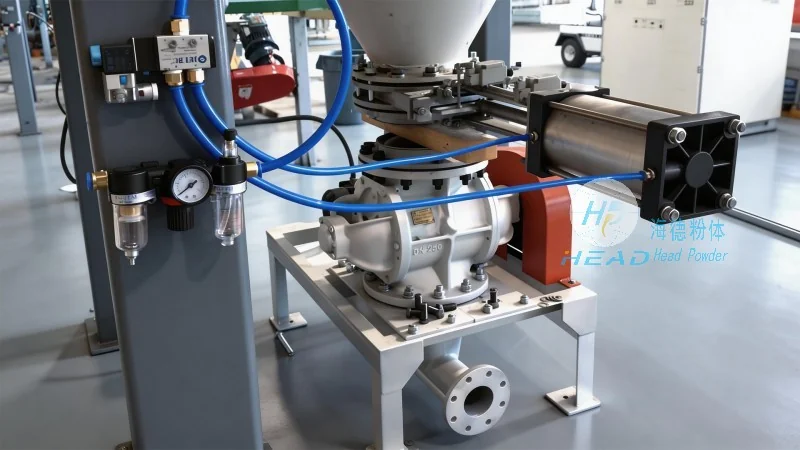
Several distinct characteristics define the working environments where copper sulfate pneumatic conveying lines are deployed. Firstly, the systems are commonly used in settings where dust control is paramount, as copper sulfate is a fine powder that can become airborne if not properly contained. The design of the conveying line, including sealed hoppers and receivers, creates a closed loop that minimizes exposure to the material, reducing health risks and ensuring compliance with occupational safety regulations. Secondly, the systems are ideal for high-throughput applications, such as in large-scale chemical manufacturing plants or mining operations, where continuous and reliable material flow is essential. The pneumatic system's ability to handle large volumes of copper sulfate without interruption enhances productivity, as it eliminates the need for manual handling or batch processing. Additionally, the flexibility of the system allows for integration with existing production lines, adapting to different processing stages or equipment without significant modifications. This adaptability makes copper sulfate pneumatic conveying lines a versatile solution for diverse industrial needs.
Application Scenarios and Operational Benefits
The working scene characteristics of copper sulfate pneumatic conveying lines are evident in real-world applications across various industries. For example, in chemical processing facilities, these systems are used to transport copper sulfate from storage silos to reaction vessels, ensuring a steady supply of raw material for processes like water treatment or ore leaching. The efficiency of the pneumatic system allows for consistent material flow, reducing downtime and improving overall production rates. In mining operations, the systems are employed to move copper sulfate from ore processing plants to storage or shipping facilities, leveraging the ability to transport materials over long distances with minimal energy consumption. The operational benefits extend to reduced labor costs, as the system automates the material handling process, and improved safety, as the enclosed design prevents exposure to dust and other hazards. Furthermore, the systems are designed for low maintenance, with components that are easy to access and replace, ensuring long-term reliability and cost-effectiveness. The headpowder engineering team has successfully implemented such systems in numerous industrial settings, demonstrating their effectiveness in enhancing operational performance and safety.
Design Considerations and Customization
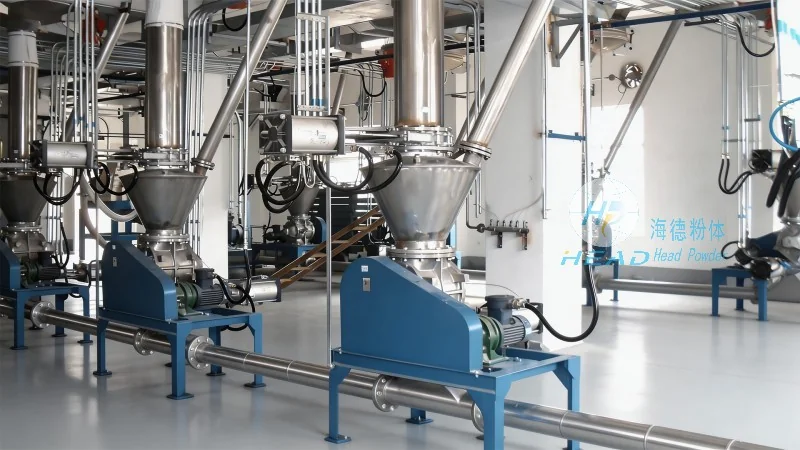
When designing copper sulfate pneumatic conveying lines, several critical factors must be considered to ensure optimal performance and longevity. The first is the physical properties of the copper sulfate, including its particle size, density, and moisture content. These factors directly impact the air velocity and pressure required for effective conveying. The headpowder engineering team conducts comprehensive material analysis to determine the appropriate parameters, preventing issues such as particle degradation or pipeline blockage. Another key consideration is the system's layout, including the length and diameter of the conveying line, the number and type of bends, and the placement of feeders and receivers. The design must account for potential pressure drops and the need for adequate air supply to maintain consistent material flow. Customization is also a significant aspect, as different industrial applications may require variations in capacity, control mechanisms, or integration with other equipment. The headpowder engineering team works closely with clients to understand their specific requirements, from initial consultation to final system implementation, ensuring that the customized solution meets their operational needs and budget constraints. By focusing on these design considerations, the team ensures that the copper sulfate pneumatic conveying lines are not only efficient but also durable and adaptable to evolving industrial demands.