

Principle and Working Scene Characteristics of Light Calcium Powder Conveying Systems
Light calcium powder, also known as precipitated calcium carbonate (PCC), is a widely used industrial material in various sectors such as coatings, plastics, and rubber manufacturing. The efficient and reliable transportation of this fine powder is crucial for maintaining production efficiency and product quality. This article delves into the principles of light calcium powder conveying systems and highlights the key characteristics of their operational environments.
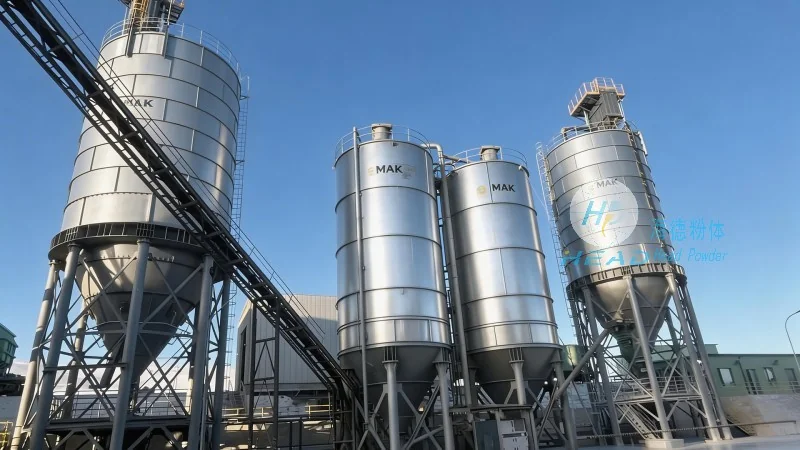
Introduction to Light Calcium Powder Conveying Systems
Light calcium powder conveying systems are engineered to handle the unique properties of light calcium powder, which includes low bulk density, high fineness, and susceptibility to agglomeration. These systems are designed to ensure the consistent and safe transfer of the powder from storage silos or processing units to downstream equipment like mixers, reactors, or packaging machines. The core components typically include a feeding device, a conveying pipeline, a power source (usually air or vacuum), and control mechanisms to regulate the flow and pressure.
Principle of Operation
The operation of light calcium powder conveying systems is based on pneumatic conveying technology, which utilizes air or gas to move the powder particles through a pipeline. There are two main types of pneumatic conveying systems: pressure conveying and vacuum conveying. In pressure systems, compressed air is introduced at the discharge end of the pipeline, pushing the powder forward. Vacuum systems, on the other hand, create a negative pressure at the intake end, drawing the powder into the pipeline. For light calcium powder, which is often fine and light, a combination of low-pressure or vacuum systems is commonly employed to prevent particle degradation and ensure smooth flow.
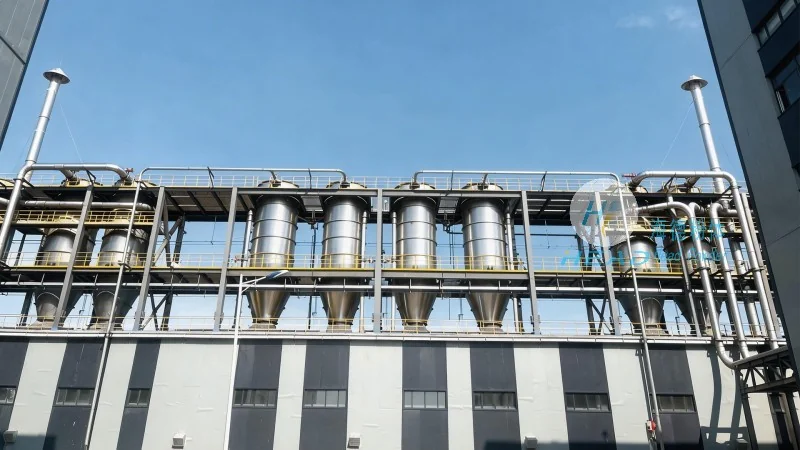
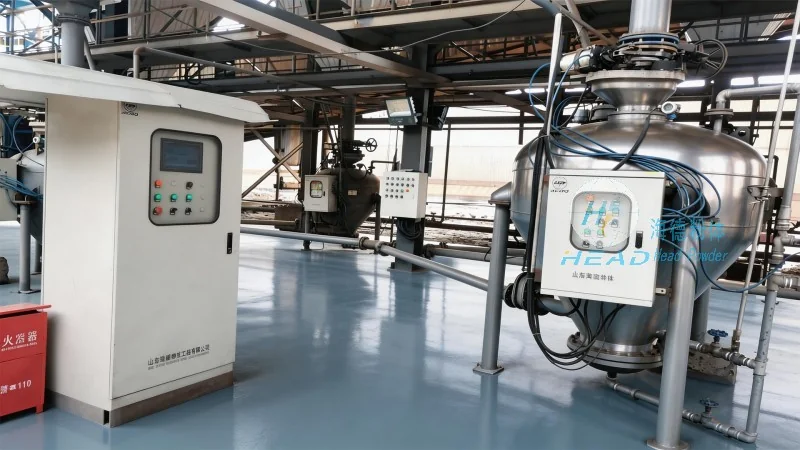
Key components in the system include a rotary valve or star feeder at the inlet to control the feed rate, a filter to prevent dust from entering the air system, and a pressure regulator or vacuum pump to maintain the required pressure or vacuum levels. The conveying pipeline is usually made of materials resistant to corrosion and abrasion, such as stainless steel or polyethylene, to handle the fine particles without excessive wear. The system also incorporates sensors and control panels to monitor flow rates, pressure, and temperature, ensuring optimal performance and preventing blockages or overloading.
Working Scene Characteristics
The operational characteristics of light calcium powder conveying systems are heavily influenced by the environment in which they are deployed. These systems are typically used in industrial settings where large volumes of light calcium powder need to be moved over short to medium distances. The working environment may involve high humidity, temperature variations, or exposure to other chemicals, which can affect the powder's properties and the system's performance.
One of the primary characteristics is the need for low-pressure or vacuum operation to avoid particle breakage and ensure stable flow. The system must be designed to handle the low bulk density of light calcium powder, which can lead to reduced conveying efficiency if not properly managed. Additionally, the fine nature of the powder requires careful sealing and filtration to prevent dust emissions and maintain air quality in the workplace.
Application Scenarios
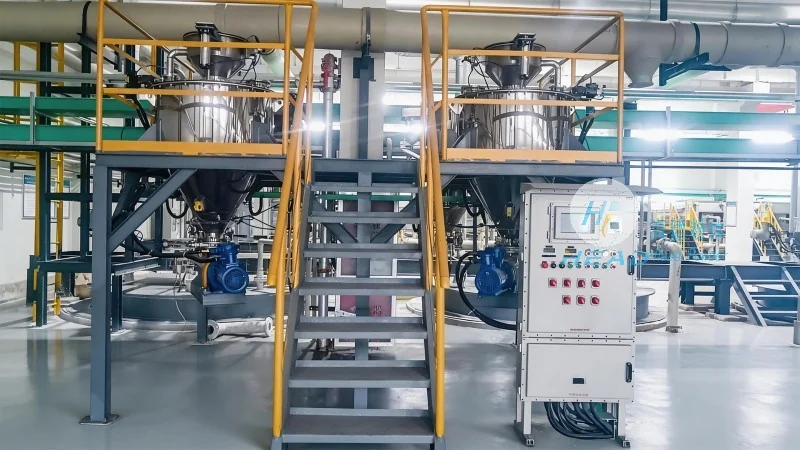
Light calcium powder conveying systems are widely applied in various industrial applications. In the coatings industry, for example, these systems are used to transport light calcium powder to mixing tanks, where it is blended with other ingredients to produce high-quality paints and coatings. In the plastics industry, the powder is added to polymer resins to improve the mechanical properties and reduce the cost of the final product. The rubber industry also utilizes light calcium powder as a filler in rubber compounds, and the conveying system ensures consistent addition to the mixing process.
In the production of paper and cardboard, light calcium powder is used as a filler to enhance the paper's strength and whiteness. The conveying system must be able to handle the high volume of powder required for large-scale paper mills, ensuring a continuous and reliable supply. Furthermore, in the pharmaceutical and food industries, where light calcium powder is used as a filler or excipient, the system must meet stringent hygiene and safety standards, including dust-free operation and easy cleaning.
Advantages and Considerations
Light calcium powder conveying systems offer several advantages over traditional methods such as bucket elevators or belt conveyors. These systems are more compact, require less space, and can be installed in existing facilities with minimal modifications. They also provide a dust-free and enclosed environment, which improves workplace safety and reduces the risk of product contamination. The ability to handle fine and light powders without degradation makes these systems ideal for applications where product quality is paramount.
However, there are considerations to keep in mind when implementing such systems. The initial investment cost can be higher compared to traditional conveyors, and the maintenance requirements, particularly for the air filtration and pipeline components, need to be addressed regularly. Additionally, the system's performance is highly dependent on the proper selection of equipment based on the specific properties of the light calcium powder, such as particle size distribution, moisture content, and flowability.
Conclusion
Light calcium powder conveying systems are essential for the efficient and safe handling of this critical industrial material. By understanding the principles of operation and the characteristics of their working environments, manufacturers can select and implement the most suitable system to meet their production needs. The continuous advancements in pneumatic conveying technology ensure that these systems remain a reliable and effective solution for the transportation of light calcium powder in various industrial applications.