

Principles and Operational Characteristics of Coating Powder Conveying Systems
Coating powder conveying systems are essential components in industrial applications where the efficient and reliable transport of powder materials is critical. These systems are designed to handle various types of coating powders, including but not limited to epoxy, polyester, and polyurethane powders, which are commonly used in the manufacturing of coatings for different substrates. The core function of such systems is to ensure that powder materials are moved from storage to processing equipment with minimal loss, contamination, and energy consumption. HeadPowder, a leading manufacturer of specialized conveying solutions, specializes in developing and supplying high-quality coating powder conveying systems tailored to meet the diverse needs of industrial clients. With operations based in Shandong, China, the company leverages advanced engineering and manufacturing capabilities to deliver robust and reliable systems for various applications.
Key Principles of Coating Powder Conveying
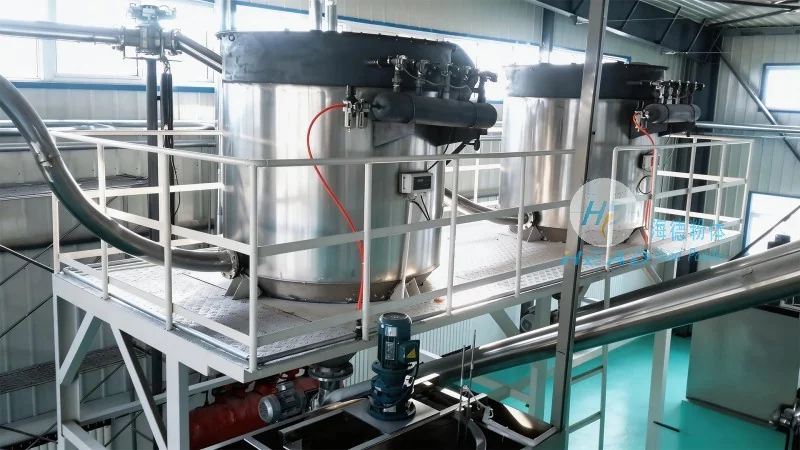
The operation of coating powder conveying systems is based on several fundamental principles that ensure optimal performance. One of the primary principles is the use of positive pressure or vacuum to move powder particles through a pipeline. Positive pressure systems, often utilizing air or nitrogen as the conveying medium, push the powder forward, while vacuum systems create a negative pressure that pulls the powder. The choice between these methods depends on factors such as the powder's density, flowability, and the distance it needs to be transported. Another critical principle is the design of the conveying line, which includes components like hoppers, feeders, and pipelines. Hoppers are used to store and feed the powder, while feeders regulate the flow rate to maintain consistent pressure and prevent blockages. The pipeline itself is typically made of materials like stainless steel or plastic, chosen for their resistance to corrosion and wear from the powder particles. Additionally, the system incorporates control mechanisms to monitor and adjust the conveying process in real-time, ensuring stability and efficiency.
Working Scenarios and Applications
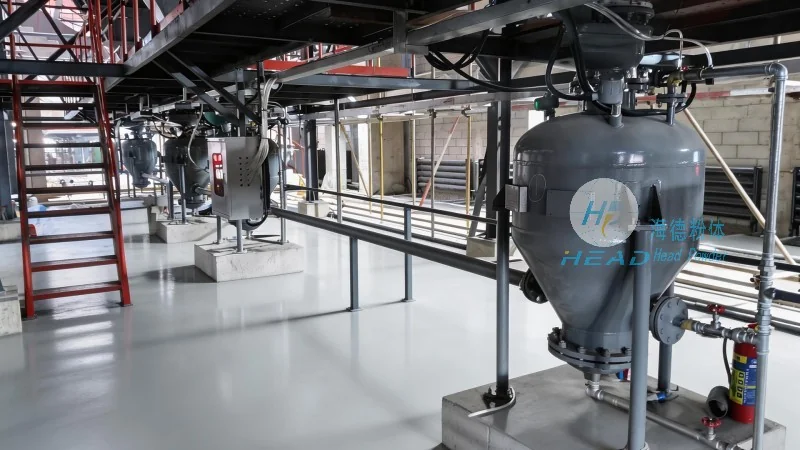
Coating powder conveying systems are employed in a wide range of industrial settings, each with unique requirements that influence the system's design and operation. One common scenario is in the automotive industry, where large volumes of coating powders are used for painting car bodies. In this context, the system must handle high throughput and maintain consistent quality to meet production demands. The conveying system is integrated with the painting line, ensuring that the powder is delivered to the spray booth at the right time and with the correct flow rate. Another application is in the construction industry, where coating powders are used for protective coatings on metal structures or concrete surfaces. Here, the system may need to operate in outdoor environments, requiring weather-resistant components and robust control systems to handle variations in temperature and humidity. The food and beverage industry also utilizes coating powder conveying systems, particularly for applying protective or decorative coatings to food products. In these applications, the system must adhere to strict hygiene standards, with materials and components that are easy to clean and sanitize. Each of these scenarios demands a tailored approach to the conveying system, ensuring that it meets the specific needs of the application while maintaining the quality and integrity of the powder.
Advantages and Considerations
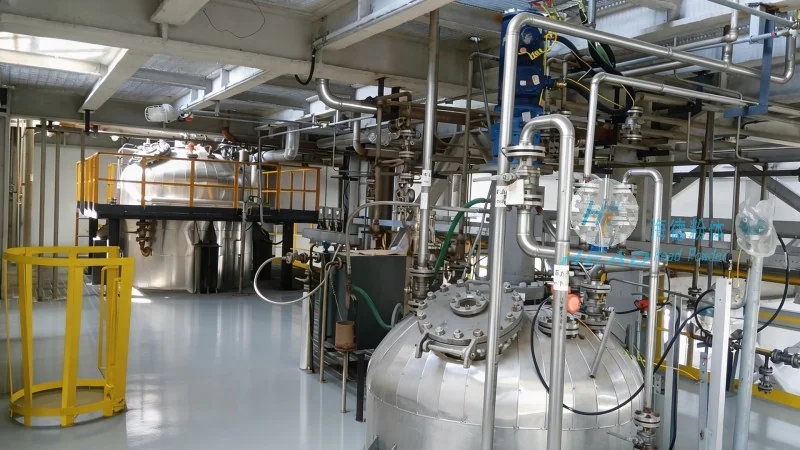
Implementing a coating powder conveying system offers several advantages that enhance operational efficiency and product quality. One of the main benefits is the reduction in manual handling, which minimizes the risk of dust exposure and product contamination. Automated systems also ensure consistent flow rates and pressure, leading to more uniform coating applications. Additionally, these systems can be integrated with other production equipment, creating a seamless workflow that improves overall productivity. However, there are also considerations to keep in mind when selecting and operating a coating powder conveying system. The choice of conveying method (positive pressure vs. vacuum) must be carefully evaluated based on the powder's properties, as improper selection can lead to inefficiencies or equipment damage. The system's maintenance requirements are another factor, as regular cleaning and inspection are necessary to prevent blockages and ensure long-term reliability. Furthermore, the environmental impact of the system, particularly in terms of energy consumption and emissions, should be considered, especially in industries with strict sustainability regulations.