

Principle and Working Scene Characteristics of Wood Fiber Powder Conveying Equipment
Wood fiber powder conveying equipment is a specialized system designed to handle and transport wood fiber powders efficiently. This equipment plays a crucial role in various industrial applications where wood fiber materials are processed and moved from one location to another. The design and functionality of these systems are tailored to meet the unique challenges associated with wood fiber powders, such as their lightweight nature, potential for dust generation, and the need for precise control during transportation.
Core Principles of Wood Fiber Powder Conveying
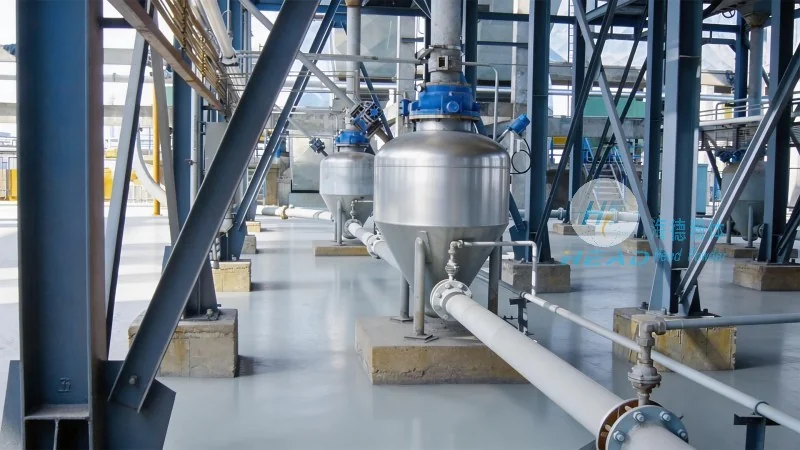
The fundamental principle behind wood fiber powder conveying equipment is the use of mechanical forces to move the material through a pipeline or conveyor system. Common methods include pneumatic conveying, where air pressure is used to transport the powder, and mechanical conveying, which relies on belts, screws, or other moving parts to push the material forward. The choice of method depends on factors like the material's properties, the distance to be covered, and the required flow rate. For wood fiber powders, pneumatic conveying is often preferred due to its ability to handle fine particles and minimize material degradation. The system typically consists of a hopper for material storage, a conveying line, and a receiver for the discharged material. The hopper is equipped with a feeder that controls the flow rate, ensuring a consistent supply of wood fiber powder to the conveying line. The conveying line may include components like cyclones or filters to separate any entrained air or fine particles, maintaining the purity of the material. The receiver at the end of the line collects the conveyed wood fiber powder, ready for further processing or use.
Working Scene Characteristics of Wood Fiber Powder Conveying Equipment
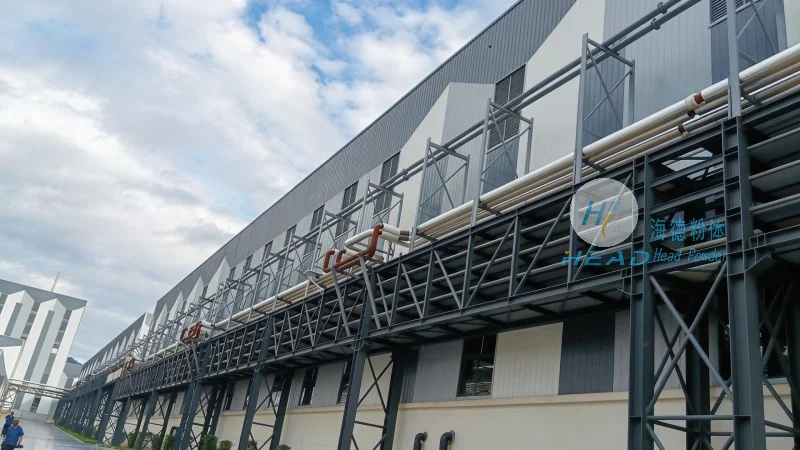
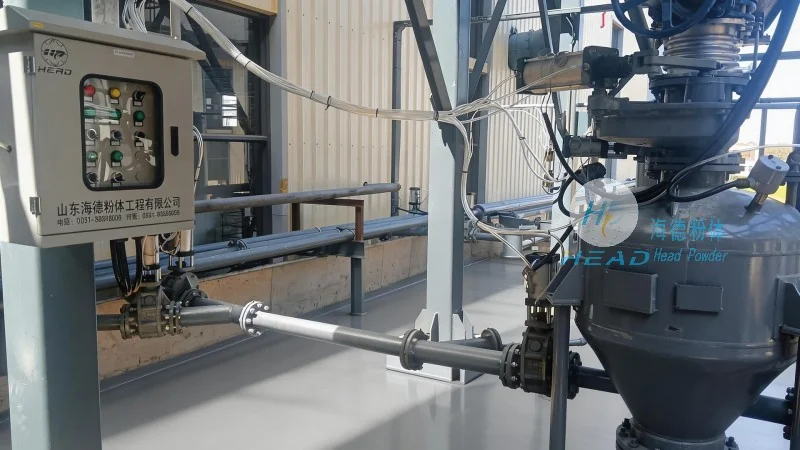
The working scene characteristics of wood fiber powder conveying equipment vary based on the specific industrial application. In the wood processing industry, these systems are commonly used in sawmills and pulp mills to transport wood chips and fibers from storage areas to processing machines. The equipment must be able to handle large volumes of material and operate in environments with high humidity and temperature fluctuations. In the paper manufacturing industry, wood fiber powder conveying is essential for transporting raw materials to the papermaking machines, where the fibers are combined with water and other additives to form paper. The conveying systems in this sector often require high precision to maintain consistent fiber distribution, which directly impacts the quality of the final product. Additionally, in the construction and insulation materials industry, wood fiber powder conveying equipment is used to transport raw wood fibers to production lines for manufacturing insulation boards or other building materials. The working scene may involve outdoor storage areas or indoor processing facilities, requiring the equipment to be robust and resistant to environmental factors like moisture and dust. The characteristics of the working scene also influence the design of the conveying equipment, such as the choice of materials for the conveying line and the type of seals used to prevent dust leakage. For example, in environments with high dust concentrations, the equipment may be equipped with dust collection systems to ensure compliance with safety and environmental regulations. The working scene characteristics also affect the operational parameters of the system, such as the air pressure in pneumatic conveying or the speed of mechanical components, to optimize performance and minimize energy consumption.
Key Features and Advantages of Wood Fiber Powder Conveying Equipment
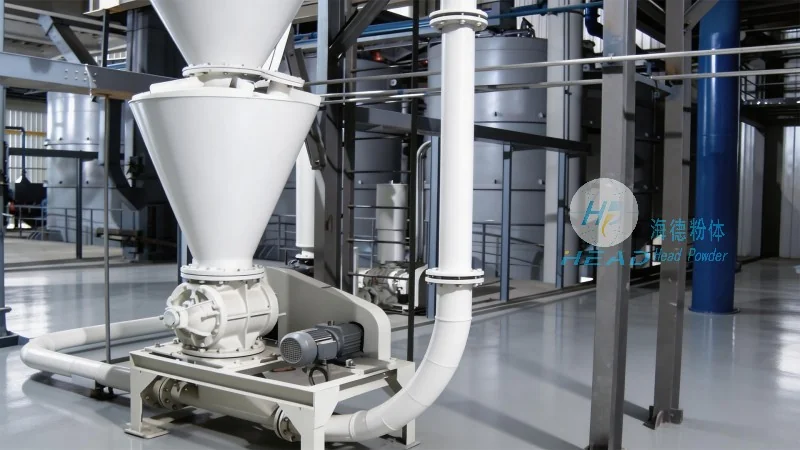
Wood fiber powder conveying equipment from Shandong HeadPowder Engineering Co., Ltd. offers several key features and advantages that make it suitable for various industrial applications. One of the primary advantages is its ability to handle fine wood fiber powders with minimal degradation, which is critical for maintaining the quality of the material. The equipment is designed with high-efficiency components that ensure consistent flow rates and reduce the risk of blockages or clogs. The use of advanced materials in the construction of the conveying line and components enhances durability and resistance to wear and tear, extending the equipment's service life. Another key feature is the integration of dust control systems, which help maintain a clean and safe working environment by capturing and filtering dust particles. This is particularly important in industries where dust exposure can pose health risks to workers. The equipment also offers flexibility in terms of customization, allowing it to be adapted to specific operational requirements, such as varying material flow rates or different conveying distances. The company's expertise in engineering and manufacturing ensures that the equipment is tailored to meet the unique needs of each client, providing reliable and effective performance. Additionally, the equipment is designed to be energy-efficient, reducing operational costs and minimizing the environmental impact. The combination of these features makes wood fiber powder conveying equipment from Shandong HeadPowder Engineering Co., Ltd. a reliable and effective solution for industrial applications involving wood fiber powders.