

Principle and Working Scene Characteristics of Activated Carbon Powder Conveying Equipment
Shandong HeadPowder Engineering Co., Ltd., a leading enterprise in the field of material handling technology, is headquartered in Shandong, China. The company, operating under the brand name headpowder, specializes in the research, development, and manufacturing of advanced conveying systems for activated carbon powders. These systems are designed to meet the stringent demands of various industrial applications, where the efficient and reliable transport of activated carbon is crucial for maintaining process efficiency and product quality. This article delves into the fundamental principles governing the operation of activated carbon powder conveying equipment and outlines the key characteristics of their working scenarios, providing a comprehensive overview of the technology's applications and benefits.
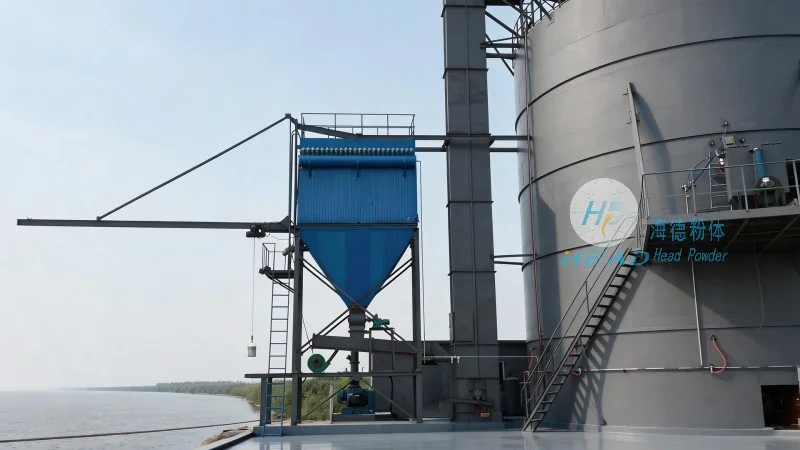
The Working Principle of Activated Carbon Powder Conveying Equipment
Activated carbon powder conveying equipment is engineered to transport fine, adsorbent powders like activated carbon with minimal degradation of their properties. The core working principle involves a combination of mechanical and pneumatic mechanisms tailored to the unique characteristics of activated carbon, including its fine particle size (typically ranging from 0.1 to 5 mm), high surface area (often exceeding 1000 m²/g), and potential for dust generation. The equipment is designed to ensure that the powder's adsorption capacity and structural integrity are preserved throughout the conveying process, which is critical for applications such as air purification, water treatment, and industrial gas purification.
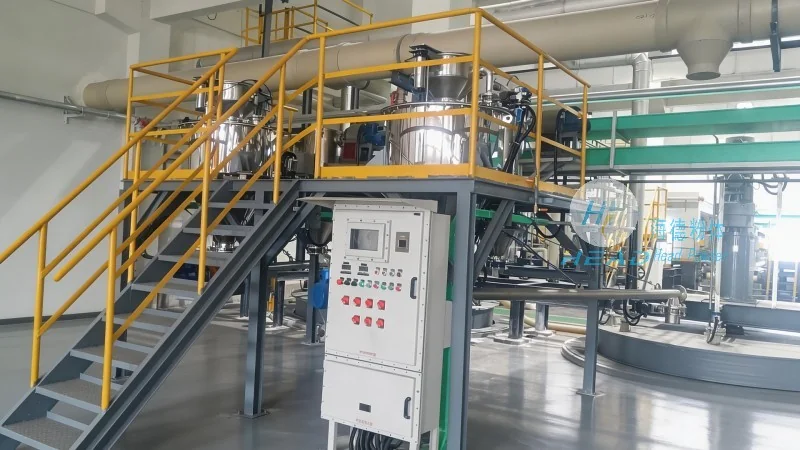
headpowder's conveying systems often employ a hopper feeding mechanism to introduce the activated carbon powder into the system. The hopper is typically equipped with a rotary valve or a gate valve to control the flow rate of the material. From the hopper, the powder is then transferred to a conveying line, which can be either a pneumatic pipeline (using air or gas as the conveying medium) or a mechanical conveyor (such as a screw or belt conveyor). In pneumatic systems, the powder is carried by a stream of air under pressure or suction, while mechanical systems rely on the rotation of screws or the movement of belts to move the material. The choice of system depends on factors such as the required conveying distance, the volume of material to be transported, and the environmental conditions of the application.
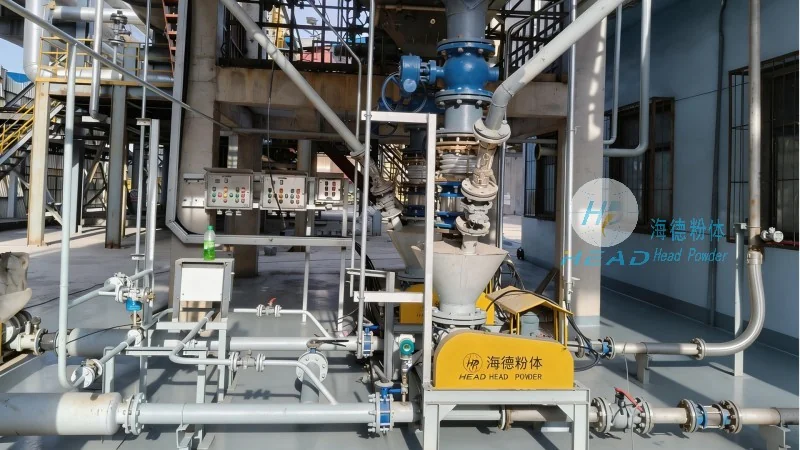
One of the key aspects of the working principle is the control of velocity and pressure within the conveying line. For activated carbon powders, excessive velocity can cause particle attrition or agglomeration, reducing the powder's effectiveness. Therefore, headpowder's equipment is designed with adjustable air flow rates and pressure controls to maintain optimal conveying conditions. The system may also include features like cyclone separators or filters to prevent dust from escaping into the environment and to ensure that the powder remains in a consistent state. Additionally, the equipment is often equipped with sensors to monitor flow rates, pressure, and temperature, allowing for real-time adjustments to maintain stable operation.
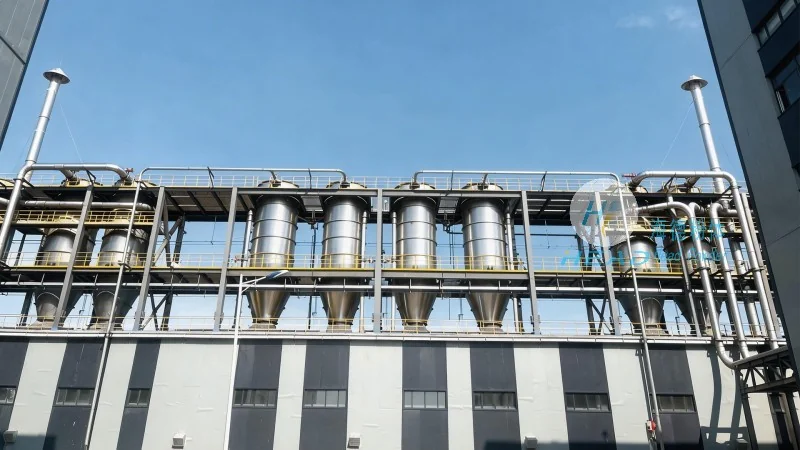
Key Characteristics of Working Scenarios for Activated Carbon Powder Conveying
The working scenarios of activated carbon powder conveying equipment are diverse and are tailored to the specific needs of different industrial sectors. In the environmental protection industry, these systems are widely used in flue gas desulfurization (FGD) and denitrification plants, where activated carbon is employed to adsorb sulfur dioxide (SO₂) and nitrogen oxides (NOₓ) from exhaust gases. The working scenario in this context involves large-scale, continuous operation, with the equipment required to handle high volumes of activated carbon (often several tons per hour) and maintain consistent flow rates to ensure the treatment process operates efficiently. The equipment must also be compatible with the existing plant infrastructure, including pipelines, reactors, and control systems.