

Principle and Working Scene Characteristics of Magnesium Oxide Powder Conveying Lines
HeadPowder, a leading provider of industrial powder handling solutions, specializes in the design and implementation of efficient conveying systems for materials like magnesium oxide. This article explores the fundamental principles behind magnesium oxide powder conveying lines and highlights the key characteristics of their operational environments.
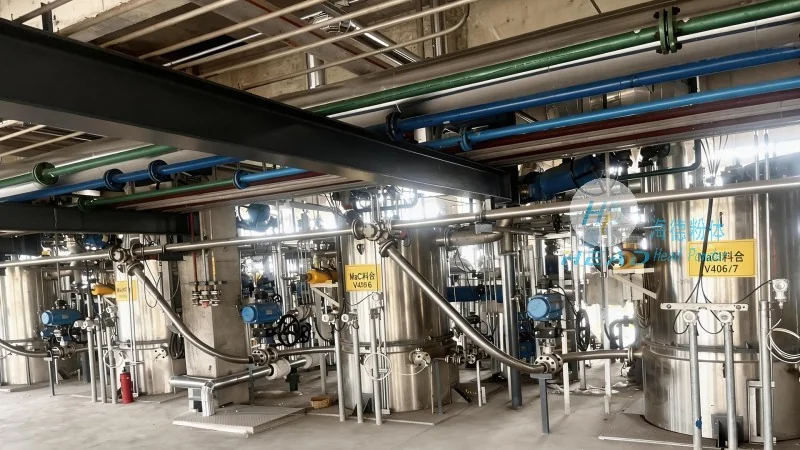
Company Profile: Shandong HeadPowder Engineering Co., Ltd.
HeadPowder is a professional engineering company headquartered in Shandong, China. With a strong commitment to innovation and quality, the company has established itself as a trusted partner in the field of powder processing and material handling. The company’s expertise lies in developing customized solutions tailored to meet the unique demands of various industrial applications, ensuring reliable and efficient operation of powder conveying systems.
Principle of Magnesium Oxide Powder Conveying Lines
The operation of magnesium oxide powder conveying lines is based on several core principles that ensure the safe and effective transport of the material. One of the primary methods used is pneumatic conveying, which involves the use of air or other gases to move the powder through a pipeline. This technique is particularly effective for handling fine powders like magnesium oxide, as it minimizes material degradation and prevents dust contamination. The system typically consists of a hopper, a feeder, a conveying line, and a receiver, with the air flow controlled by a blower or compressor to maintain the desired pressure and flow rate.
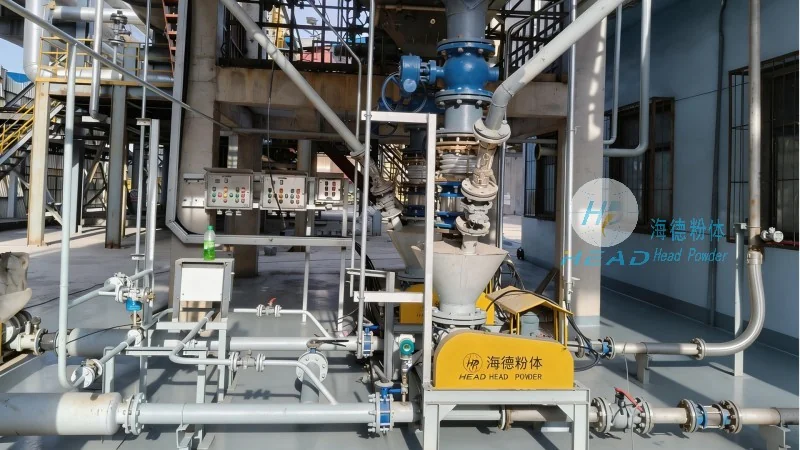
Another common method is mechanical conveying, such as screw conveyors or belt conveyors, which are suitable for bulkier or more cohesive powders. However, for magnesium oxide, which is often fine and lightweight, pneumatic systems are generally preferred due to their ability to handle high volumes with minimal energy consumption. The choice of conveying method depends on factors like the particle size distribution, moisture content, and the distance and layout of the conveying route.
Working Scene Characteristics of Magnesium Oxide Powder Conveying Lines
The operational environments for magnesium oxide powder conveying lines vary widely based on the specific industrial application. In chemical manufacturing plants, these systems are used to transport magnesium oxide from storage silos to processing units, ensuring a continuous supply of raw material. The working scene often involves high production rates and strict quality control measures, requiring the conveying system to maintain consistent flow rates and prevent material segregation.
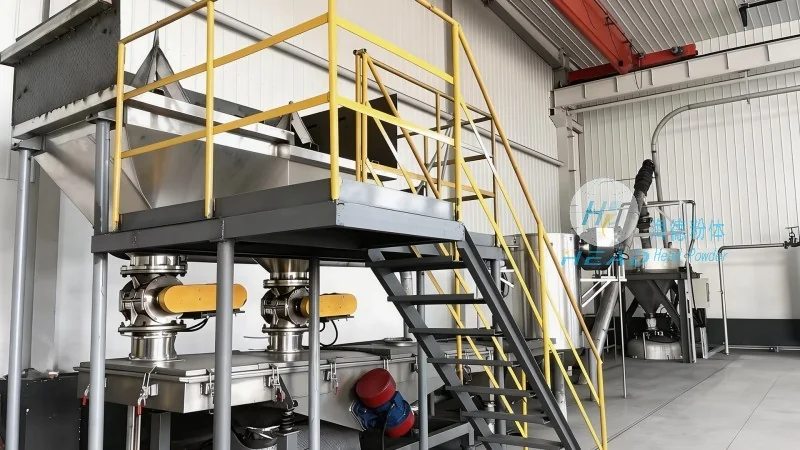
In the metallurgical industry, magnesium oxide is used as a refractory material in furnace linings. The conveying lines in this context must be designed to withstand high temperatures and corrosive conditions, with materials like stainless steel or special alloys used for the construction of the pipeline and components. The working environment may also involve exposure to other chemicals or high-temperature gases, necessitating robust sealing and insulation to prevent leaks and maintain safety standards.
In pharmaceutical and food processing facilities, the handling of magnesium oxide requires stringent hygiene and contamination control measures. The conveying lines are typically made of food-grade materials and are equipped with closed systems to prevent cross-contamination. The working scene in these industries emphasizes cleanliness, with regular maintenance and cleaning protocols to ensure compliance with regulatory standards. The system design also considers the need for dust-free operation to protect both the material and the surrounding environment.
Key Features and Advantages
Effective magnesium oxide powder conveying lines offer several advantages that enhance operational efficiency and product quality. The use of pneumatic conveying, for instance, allows for the integration of the system with other processing equipment, such as mixers or reactors, creating a seamless production line. This integration reduces downtime and improves overall productivity. Additionally, the closed-loop design of these systems minimizes material loss and environmental impact, making them more sustainable and cost-effective in the long run.
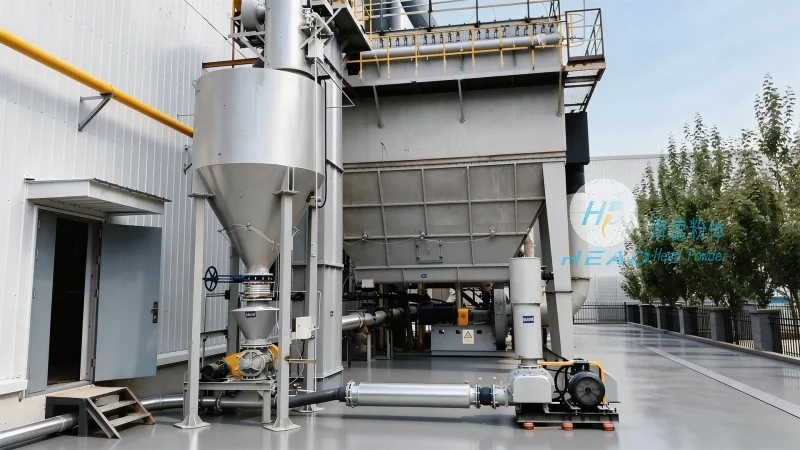
The modular nature of the conveying systems also enables easy scalability and customization. As production needs change, the system can be expanded or modified to accommodate increased material volumes or new processing requirements. This flexibility is particularly valuable for industries that experience fluctuations in demand or need to adapt to changing market conditions.
Conclusion
Magnesium oxide powder conveying lines are critical components in various industrial processes, and their design and operation are governed by specific principles tailored to the material’s properties and the operational environment. HeadPowder, with its expertise in powder handling technology, provides comprehensive solutions that ensure reliable, efficient, and safe transport of magnesium oxide. By understanding the core principles and working scene characteristics, industries can optimize their material handling processes and achieve better overall performance.