

Principle and Working Scene Characteristics of Enstatite Powder Conveying Machine
For industrial applications involving enstatite powder handling, the selection of an efficient and reliable conveying system is crucial. This article delves into the principle and working scene characteristics of enstatite powder conveying machines, highlighting their design, operational mechanisms, and practical applications in various industrial settings. By understanding these aspects, businesses can make informed decisions about integrating such equipment into their production processes.
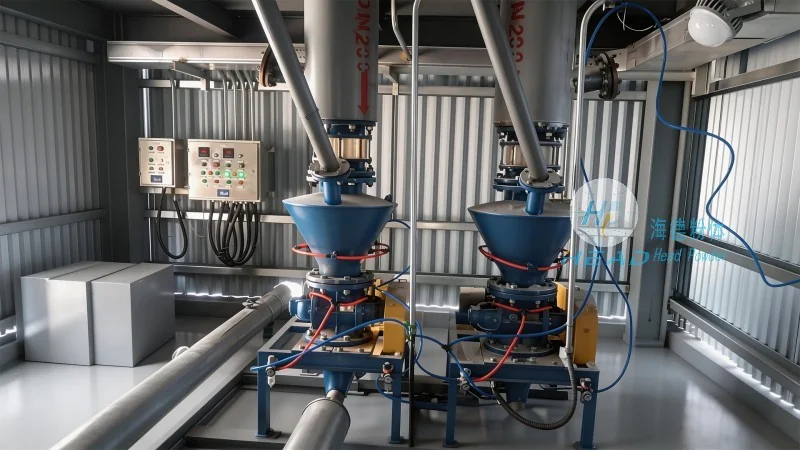
Introduction to Enstatite Powder Conveying Machines
Enstatite, a type of magnesium silicate mineral, is widely used in industries such as refractory materials, ceramics, and metallurgy. The efficient transport of enstatite powder from storage to processing units is essential for maintaining production efficiency and minimizing material loss. Conventional methods like manual handling or low-capacity conveyors often fall short in meeting the demands of modern industrial operations. To address these challenges, specialized enstatite powder conveying machines have been developed, offering advanced solutions for seamless material transport.
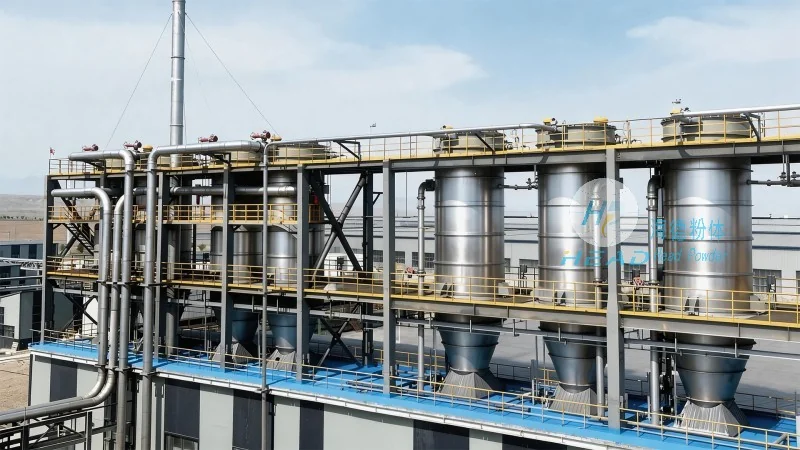
The Core Principle of Enstatite Powder Conveying Machines
Enstatite powder conveying machines operate based on the principle of pneumatic or mechanical transport, depending on the specific design and application requirements. The primary mechanism involves the use of air pressure or mechanical components to move the fine powder particles through a pipeline system. In pneumatic conveying systems, compressed air is used to create a flow that propels the powder, while mechanical systems may employ screw conveyors, belt conveyors, or bucket elevators to transport the material. The choice between these methods depends on factors such as the particle size, moisture content, and the distance over which the powder needs to be conveyed.
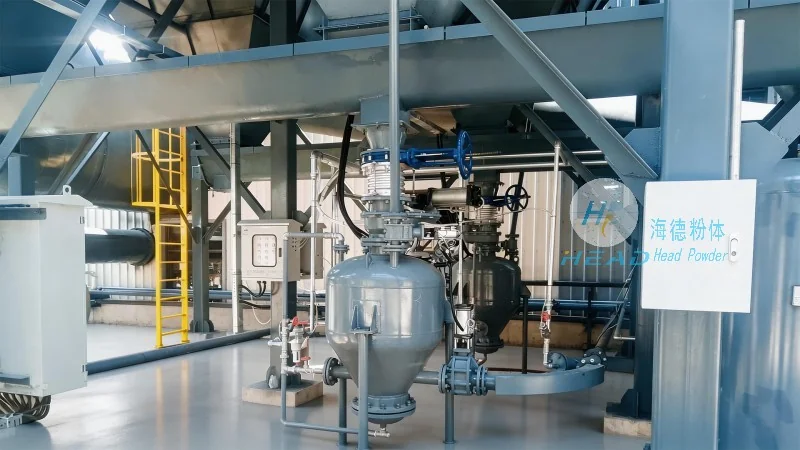
Working Scene Characteristics of Enstatite Powder Conveying Machines
The working scene characteristics of enstatite powder conveying machines are tailored to the specific needs of industrial environments. These machines are designed to handle the unique properties of enstatite powder, including its fine particle size, which can lead to issues like caking or agglomeration if not managed properly. Advanced designs incorporate features such as air filtration systems, vibration mechanisms, and material separation devices to ensure consistent and reliable operation. The working environment may vary from high-temperature processing areas to low-humidity storage facilities, and the conveying machines are engineered to withstand these conditions while maintaining performance.
Applications and Industry Integration
Enstatite powder conveying machines are widely used in various industrial sectors. In the refractory industry, they are essential for transporting raw materials to kilns and processing units. In the ceramic industry, these machines facilitate the movement of enstatite powder during the manufacturing of tiles and other ceramic products. Additionally, in metallurgical applications, they play a critical role in transporting the powder for alloy production and other metal processing tasks. The adaptability of these machines allows them to be integrated into existing production lines with minimal disruption, enhancing overall operational efficiency.
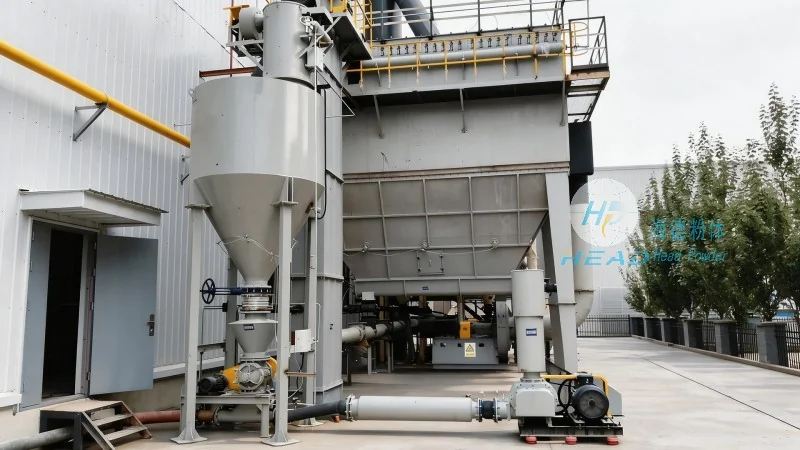
Advantages and Performance Metrics
Implementing enstatite powder conveying machines offers several advantages over traditional methods. These include reduced labor costs, improved material handling efficiency, and enhanced safety in the workplace. The machines are designed to minimize dust generation, which is crucial for maintaining a clean and safe working environment. Performance metrics such as conveying capacity, pressure drop, and energy consumption are carefully optimized to ensure that the equipment operates at peak efficiency. Regular maintenance and proper operation of the conveying system are essential to maximize its lifespan and performance.