

[Principle and Working Scene Characteristics of Lightweight Aggregate Powder Conveying System Equipm
Lightweight aggregate powder conveying systems are critical components in various industrial applications, particularly for the efficient handling and transportation of lightweight aggregate powders. These systems are designed to address the unique challenges associated with the physical properties of lightweight aggregates, such as their low density, fine particle size, and potential for dust generation. Understanding the underlying principles and operational characteristics of these systems is essential for optimizing material flow, ensuring safety, and enhancing overall production efficiency.
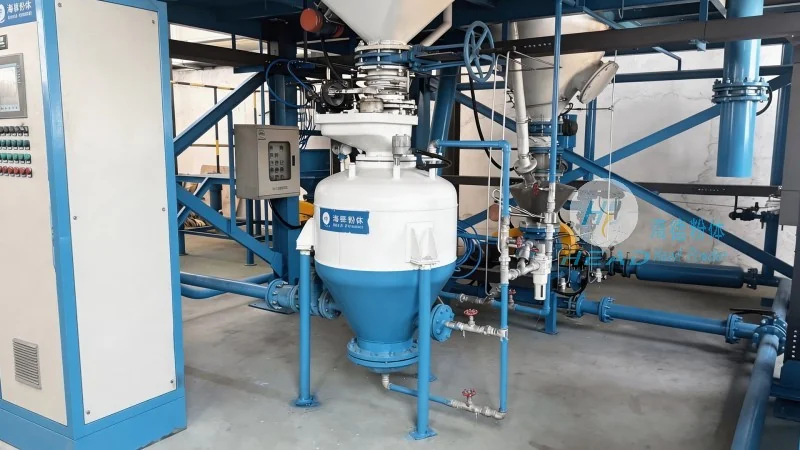
Principle of Operation for Lightweight Aggregate Powder Conveying Systems
The core principle of lightweight aggregate powder conveying systems revolves around the use of specialized equipment to move powders through a controlled environment. Common methods include pneumatic conveying, which utilizes air or gas to transport particles, and mechanical conveying, such as screw conveyors or belt conveyors. For lightweight aggregates, pneumatic systems are often preferred due to their ability to handle fine powders and minimize material degradation. The system typically consists of a hopper for material storage, a conveying line (often with multiple segments), and a discharge point. The operation begins when the lightweight aggregate is fed into the hopper, where it is then introduced into the conveying line under controlled pressure. Air or gas is introduced to create a flow, propelling the particles through the system. Key components include the air compressor, filter, and control valves, which regulate the flow rate and pressure to maintain consistent material transport. The design of the conveying line, including the diameter and length of the pipes, is critical to ensure efficient flow and minimize pressure drop. For example, in systems handling lightweight aggregates like expanded clay or perlite, the air velocity is carefully controlled to prevent particle segregation and ensure uniform transport.
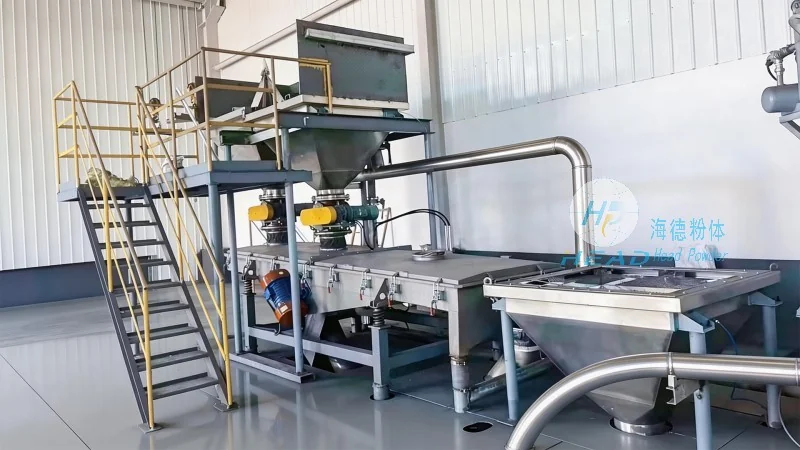
Working Scene Characteristics and Application Scenarios
Lightweight aggregate powder conveying systems are widely used across multiple industrial sectors, each with distinct operational requirements and environmental considerations. In the construction industry, these systems are integral to the production of lightweight concrete, where aggregates like expanded shale or vermiculite are used to reduce the weight of building materials. The systems must be capable of handling large volumes of powder while maintaining low dust emissions, as excessive dust can impact worker health and compliance with environmental regulations. In the chemical industry, lightweight aggregates may be used as fillers or additives in various products, and the conveying systems must be designed to prevent contamination and ensure product purity. The working environment may involve high temperatures or corrosive substances, requiring materials like stainless steel or specialized coatings for the conveying equipment. In the agricultural sector, lightweight aggregates are sometimes used in soil amendment products, and the systems need to be robust enough to handle abrasive particles and maintain consistent particle size distribution. The operational characteristics of the system, such as the ability to handle varying feed rates and adjust flow based on demand, are crucial for adapting to different production scales. For instance, in a large-scale concrete production plant, the conveying system may need to transport thousands of tons of lightweight aggregate per day, requiring high-capacity components and reliable control mechanisms. In contrast, smaller applications, such as in research laboratories or small-scale manufacturing, may use more compact systems with lower throughput but similar operational principles.
Advantages and Considerations in Different Operational Environments
The effectiveness of lightweight aggregate powder conveying systems is heavily influenced by the specific working environment and the characteristics of the material being transported. In industrial settings, the primary advantages include high efficiency in material handling, reduced labor costs due to automated operation, and improved safety by minimizing manual handling of powders. The systems also contribute to environmental sustainability by reducing waste and preventing dust pollution. However, certain operational challenges must be addressed to ensure optimal performance. For example, in environments with high humidity or temperature fluctuations, the risk of moisture absorption by the lightweight aggregates increases, potentially affecting their properties. The conveying system must include moisture control measures, such as drying units or temperature regulation, to maintain material quality. Additionally, the system's design must account for the potential for particle segregation, where larger or smaller particles separate during transport. This can be mitigated through the use of specialized hopper designs and flow control devices. The choice of conveying method also depends on the distance and layout of the production facility. Pneumatic systems are suitable for longer distances and complex layouts, while mechanical systems may be more appropriate for shorter, straight-line transports. The cost of the system, including initial investment and maintenance, is another critical factor. While pneumatic systems may have higher upfront costs due to the need for air compressors and filtration systems, they offer flexibility and scalability, making them suitable for expanding operations. Mechanical systems, on the other hand, are generally more cost-effective for smaller applications but may require more frequent maintenance due to moving parts.
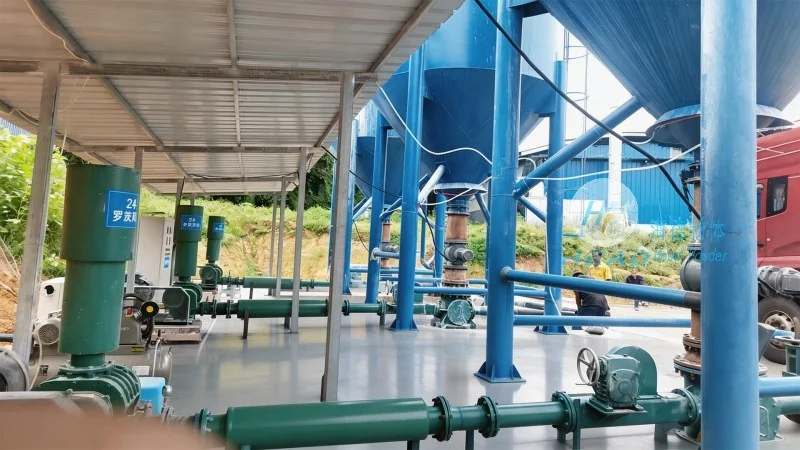
Company Overview: Shandong HeadPowder Engineering Co., Ltd.
Shandong HeadPowder Engineering Co., Ltd., commonly known as headpowder, is a leading manufacturer and supplier of advanced powder conveying systems tailored for the handling of lightweight aggregates. With headquarters located in Shandong, China, the company specializes in designing, manufacturing, and integrating customized solutions for various industrial applications. The company's expertise lies in understanding the unique properties of different lightweight aggregates and developing systems that optimize material flow while ensuring safety and efficiency. Over the years, headpowder has developed a range of products, including pneumatic conveying systems, screw conveyors, and dust collection units, all engineered to meet the specific needs of clients in the construction, chemical, and agricultural sectors. The company's commitment to innovation and quality has earned it a reputation for reliability and performance in the industry. By leveraging advanced technology and rigorous testing, headpowder ensures that its systems are durable, low-maintenance, and capable of withstanding the demands of industrial environments. The company also provides comprehensive after-sales support, including installation, training, and maintenance services, to help clients maximize the lifespan and efficiency of their conveying systems. With a focus on customer satisfaction and continuous improvement, headpowder remains at the forefront of the powder handling industry, providing solutions that enhance productivity and reduce operational costs for its clients.