

Principles and Working Scene Characteristics of Grain Powder Conveying System Equipment
Grain powder conveying systems are critical components in modern agricultural and food processing industries, designed to efficiently transport bulk materials such as grains, powders, and other particulate substances. These systems are engineered to handle the unique challenges of moving fine, dry materials while maintaining product integrity and operational efficiency. Understanding the underlying principles and practical applications of such equipment is essential for optimizing workflow in various industrial settings.
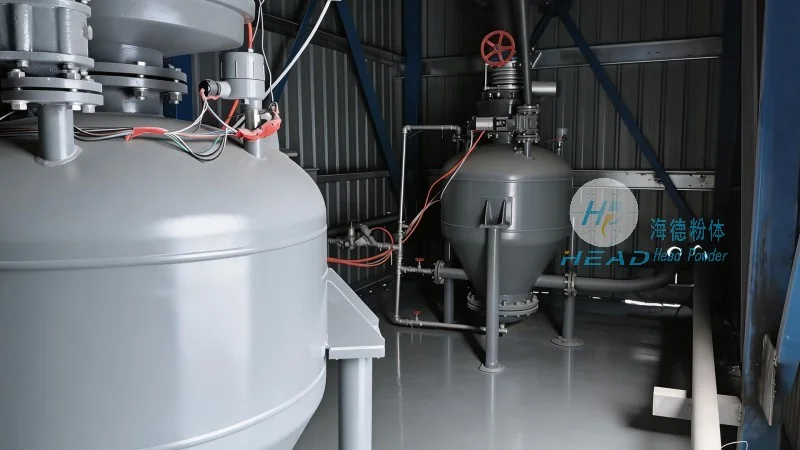
Core Principles of Grain Powder Conveying Systems
The fundamental principles of grain powder conveying systems revolve around the mechanics of material movement, typically involving air or mechanical forces to transport powders through pipelines or enclosed pathways. Key components include feeders, conveyors, and control systems that work in tandem to ensure consistent flow and minimal material degradation. For instance, pneumatic conveying systems utilize compressed air to draw or push powders through ducts, while mechanical systems like screw conveyors or belt conveyors rely on rotating parts to move materials. The choice of system depends on factors like material properties, throughput requirements, and space constraints, making it crucial to select the appropriate technology for specific applications.
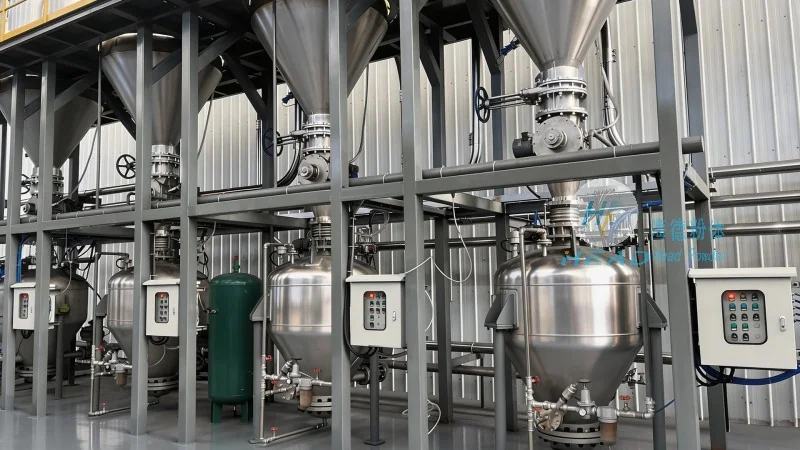
Working Scene Characteristics of Grain Powder Conveying Equipment
Grain powder conveying equipment is widely used across diverse industrial environments, each presenting unique operational characteristics that influence system design and performance. In grain processing facilities, these systems are integral to the handling of raw materials from storage to processing, ensuring smooth transitions between stages like cleaning, drying, and milling. The working scene characteristics include high-volume throughput, often requiring continuous operation to meet production demands, and the need for dust control measures to maintain air quality and prevent material loss. Additionally, the systems must be designed to handle varying particle sizes and moisture content, as these factors can affect flow characteristics and equipment wear. In food processing plants, hygiene and sanitation are paramount, leading to the use of stainless steel components and sealed systems to prevent contamination. The working environment may also involve temperature variations, requiring equipment that can operate reliably under different thermal conditions.
Applications and Operational Efficiency in Different Industries
HeadPowder, a leading manufacturer of grain powder conveying systems, specializes in providing customized solutions tailored to the specific needs of various industries. The company’s equipment is designed to enhance operational efficiency by minimizing downtime and maximizing material throughput. For example, in the agricultural sector, their systems are used to transport harvested grains from fields to storage facilities, ensuring timely processing and reducing post-harvest losses. In the food and beverage industry, the systems are employed in the production of flour, cereals, and other processed foods, where consistent quality and purity are essential. The working scene characteristics in these industries include strict quality control standards, requiring systems that can maintain product integrity and prevent cross-contamination. HeadPowder’s solutions also address the need for flexible and scalable systems, allowing businesses to adapt to changing production volumes and market demands.
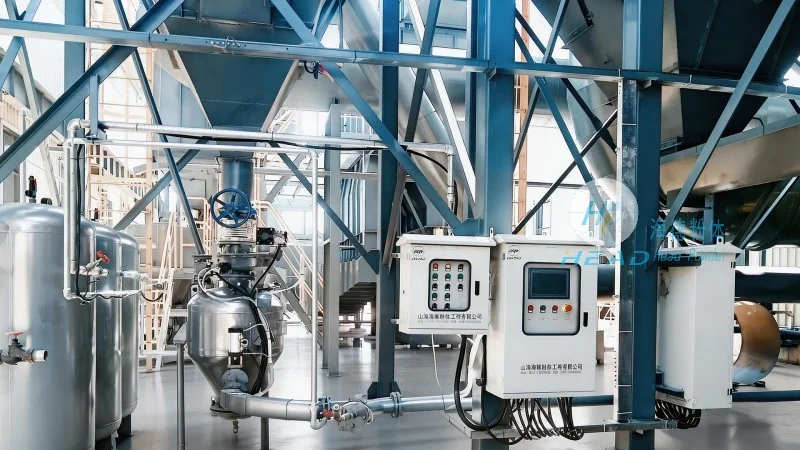
Technical Advantages and Innovation in Conveying Systems
Modern grain powder conveying systems incorporate advanced technologies to improve performance and reliability. These include intelligent control systems that monitor and adjust operational parameters in real-time, ensuring optimal material flow and energy efficiency. The use of sensors and automation technologies allows for precise control of pressure, flow rate, and material level, reducing the risk of blockages or overloading. Additionally, materials science advancements have led to the development of specialized components, such as wear-resistant liners and corrosion-resistant materials, which extend the lifespan of the equipment and reduce maintenance costs. HeadPowder’s commitment to innovation is reflected in their continuous research and development efforts, focusing on improving system efficiency, reducing energy consumption, and enhancing safety features. The company’s products are designed to meet international standards and regulatory requirements, ensuring compliance in global markets.