

Principle and Working Scene Characteristics of Cement Gray Powder Conveying System Equipment
HeadPowder, a leading provider of industrial powder handling solutions, specializes in the design, manufacturing, and integration of advanced cement gray powder conveying systems. Based in Shandong, China, the company has established itself as a trusted partner for businesses seeking efficient and reliable methods to transport bulk powders like cement, fly ash, and other fine materials. This article delves into the fundamental principles behind these systems and highlights the key working scene characteristics that make them indispensable in modern industrial applications.
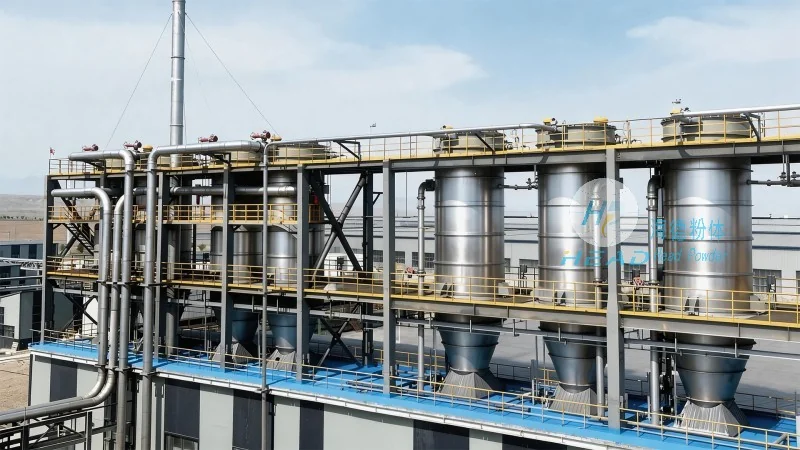
Overview of Cement Gray Powder Conveying Systems
Cement gray powder conveying systems are engineered to transport dry, fine powders over long distances with minimal loss and maximum efficiency. These systems are critical in industries such as construction, power generation, and manufacturing, where large volumes of cement and related materials need to be moved from storage to processing or end-use locations. The core components of a typical system include feeders, conveyors, dust collectors, and control panels, all working in tandem to ensure smooth and continuous operation.
The Fundamental Principle of Powder Conveying
The operation of cement gray powder conveying systems is based on the principle of pneumatic or mechanical transport. In pneumatic systems, compressed air is used to create a flow that carries the powder particles through a pipeline. This method is particularly effective for fine powders that are prone to caking or agglomeration. Mechanical systems, on the other hand, rely on positive displacement, such as screw conveyors or belt conveyors, to move the material. Both approaches aim to maintain consistent flow rates, prevent material degradation, and minimize the risk of blockages or system failures.
Key Working Scene Characteristics
The working scene characteristics of cement gray powder conveying systems are tailored to meet the specific demands of industrial environments. These include:
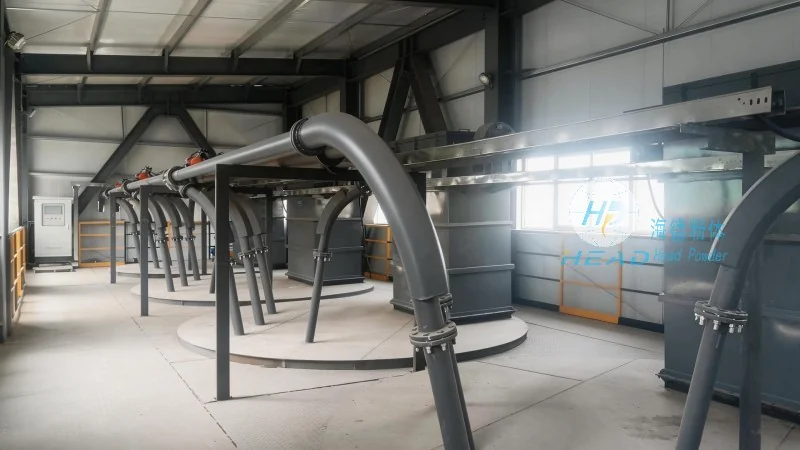
1. High Efficiency and Low Maintenance
Modern systems are designed for high throughput with minimal downtime. Advanced materials and robust construction reduce wear and tear, while automated controls simplify operation and maintenance. This ensures that the system can operate continuously for extended periods without frequent interventions.
2. Dust Control and Environmental Compliance
Given the nature of cement gray powders, dust control is a critical aspect of any conveying system. HeadPowder’s solutions incorporate efficient dust collection systems, such as cyclones or bag filters, to minimize airborne particles and comply with environmental regulations. This not only protects the environment but also enhances workplace safety by reducing respiratory hazards.
3. Adaptability to Varying Material Properties
Cement gray powders can vary in particle size, moisture content, and flowability. The systems are engineered to handle these variations, ensuring consistent performance regardless of material changes. This adaptability is achieved through adjustable feed rates, variable speed drives, and specialized components like flexible hoses or flexible connectors that accommodate different material characteristics.
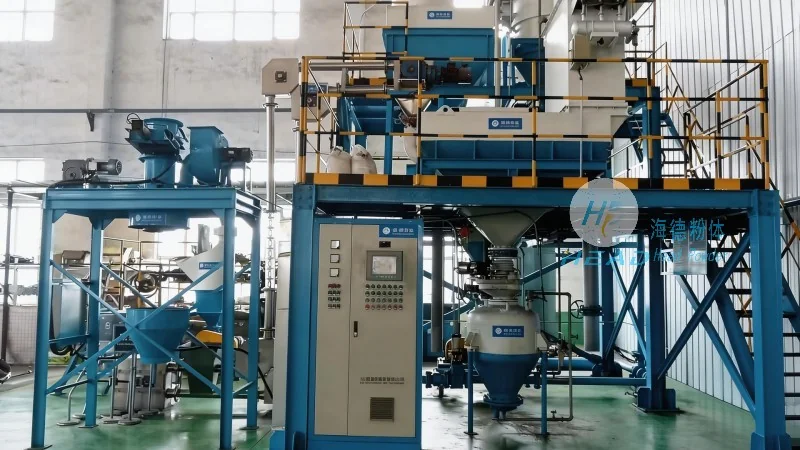
4. Safety and Reliability in Industrial Settings
Industrial environments demand systems that are safe, reliable, and easy to integrate into existing processes. HeadPowder’s conveying systems are equipped with safety features such as pressure relief valves, emergency stop buttons, and overload protection. These features, combined with rigorous testing and quality control, ensure that the equipment operates reliably under demanding conditions, minimizing the risk of accidents or system failures.
Application Scenarios and Performance
The working scene characteristics of cement gray powder conveying systems are evident in their real-world applications. For instance, in a cement production plant, these systems efficiently transport raw materials from storage silos to the grinding mills, ensuring a steady supply of feedstock. In power plants, they handle fly ash and other byproducts, moving them to disposal or reclamation facilities. The consistent performance and reliability of these systems contribute to improved productivity and reduced operational costs in these critical applications.
Conclusion
HeadPowder’s cement gray powder conveying systems exemplify the integration of advanced engineering principles with practical industrial needs. By focusing on efficiency, dust control, adaptability, and safety, these systems provide reliable solutions for the transportation of bulk powders. As industries continue to demand higher performance and lower environmental impact, such systems remain essential tools for maintaining operational excellence and compliance with modern standards. Based in Shandong, China, HeadPowder remains committed to delivering innovative and effective powder handling solutions that meet the evolving needs of its clients.