

Principle and Working Scene Characteristics of Rice Husk Ash Powder Conveying System Equipment
As a key component in the processing and utilization of rice husk ash, the powder conveying system equipment plays a crucial role in ensuring efficient material transport. This article delves into the underlying principles of such systems and highlights the distinctive features of their operational scenarios, providing a comprehensive understanding for industry professionals.
Understanding the Material: Rice Husk Ash Properties
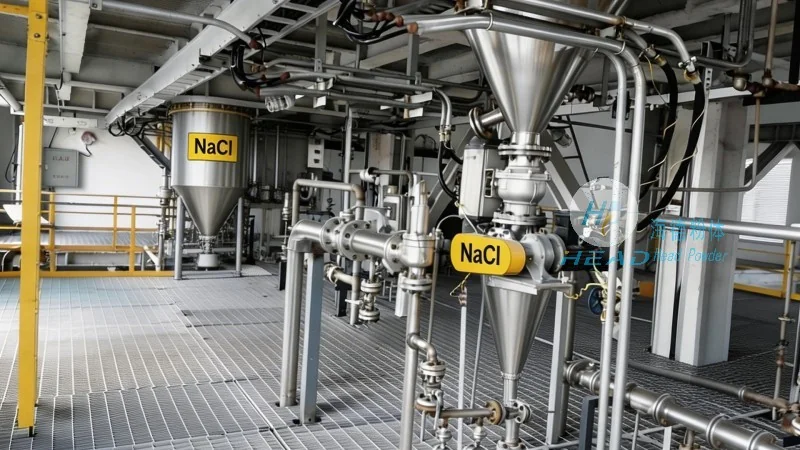
Rice husk ash, a byproduct of rice processing, possesses unique physical and chemical characteristics that influence the design and selection of conveying equipment. Typically, it is a fine powder with a relatively low bulk density and can be prone to dust generation. These properties require specialized handling to prevent clogging, ensure consistent flow, and maintain system efficiency. The system must be engineered to accommodate the abrasive nature of the ash, which can affect components like pipelines and valves over time. By addressing these material-specific challenges, the conveying system optimizes the overall performance of rice husk ash processing operations.
The Core Principles of Powder Conveying Systems
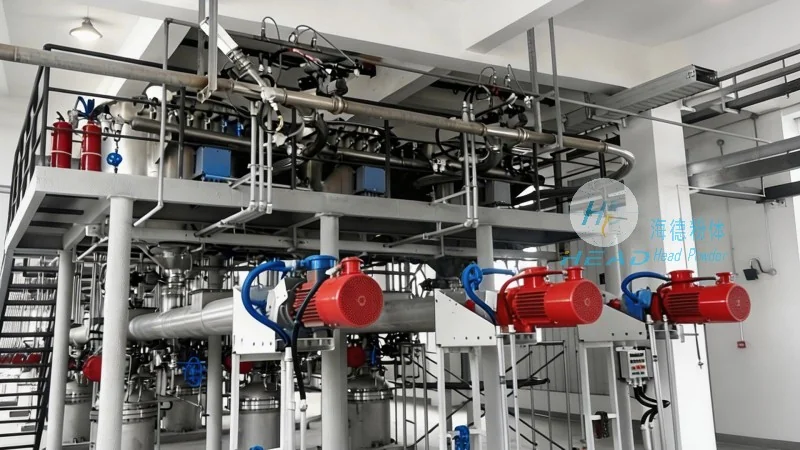
At the heart of rice husk ash powder conveying systems lies the fundamental principle of material transport through controlled environments. Commonly, these systems employ either pneumatic (air-assisted) or mechanical (belt, screw, or bucket) conveying methods. Pneumatic systems utilize compressed air to move the powder through a network of pipes, leveraging the air flow to create a positive or negative pressure differential that propels the material. This approach is particularly effective for fine powders like rice husk ash, as it minimizes the risk of blockages and allows for flexible routing. Mechanical systems, on the other hand, rely on mechanical components to physically move the material, such as screw conveyors that rotate to push the ash through a tube or belt conveyors that transport it horizontally or vertically. The choice between pneumatic and mechanical systems depends on factors like the ash's moisture content, particle size distribution, and the required conveying distance. For rice husk ash, which often has a high dust generation potential, pneumatic systems are frequently preferred due to their ability to handle fine particles and maintain consistent flow rates.
Operational Scenario Characteristics and Applications
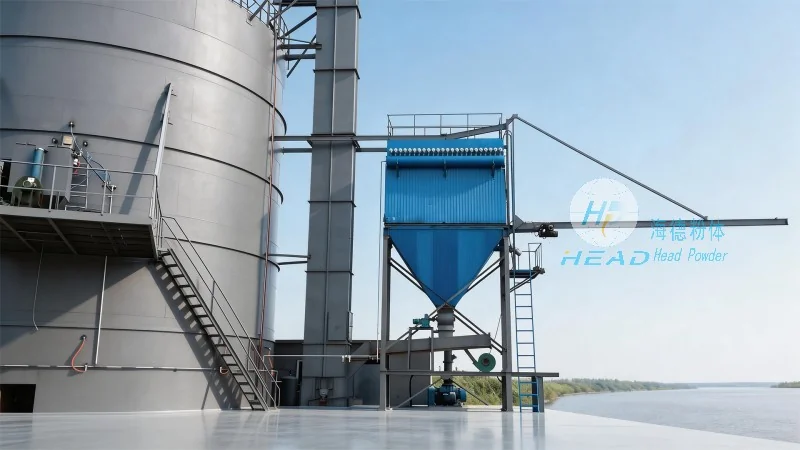
The working scene characteristics of rice husk ash powder conveying systems are shaped by the diverse industrial environments where they are deployed. These systems are commonly found in power plants, where rice husk ash is used as a fuel or additive in boiler systems. In such settings, the conveying equipment must operate under high-temperature and high-pressure conditions, requiring robust materials and reliable sealing mechanisms to prevent leakage and maintain safety standards. Additionally, in manufacturing facilities that process rice husk ash into building materials or fertilizers, the system must handle varying particle sizes and moisture levels, ensuring that the material is transported without degradation or caking. The flexibility of the conveying system is also critical in scenarios where the ash is used in multiple production stages, such as from storage silos to processing units and then to packaging lines. This adaptability allows for seamless integration into existing production workflows, reducing downtime and improving overall operational efficiency. Furthermore, the system's ability to handle large volumes of material at consistent rates is essential in industrial applications, where continuous operation is required to meet production targets. The operational characteristics of these systems, therefore, are tailored to meet the specific demands of each application, ensuring optimal performance and reliability.
About Shandong HeadPowder Engineering Co., Ltd.
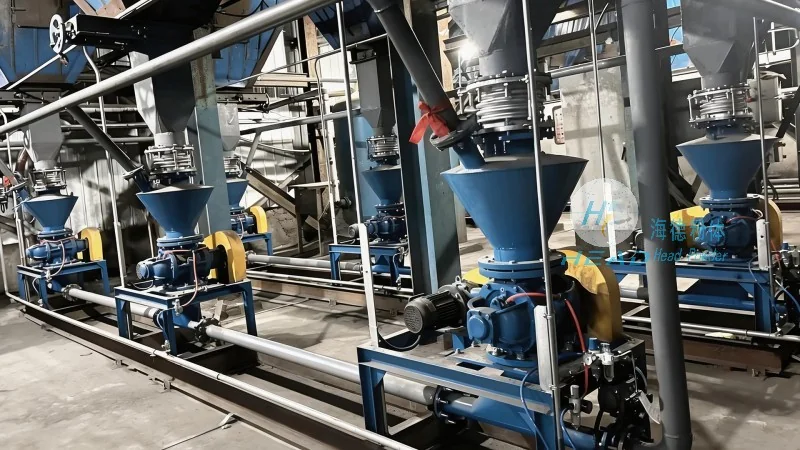
Shandong HeadPowder Engineering Co., Ltd., based in Shandong, China, specializes in the design, manufacturing, and installation of advanced powder conveying systems tailored to the unique needs of industries processing rice husk ash and other fine powders. With a focus on innovation and customer-centric solutions, the company leverages decades of experience in powder technology to deliver high-quality equipment that meets international standards. The company's commitment to quality and reliability ensures that its conveying systems are durable, efficient, and safe for use in demanding industrial environments. By providing comprehensive support, including technical consultation and after-sales service, Shandong HeadPowder Engineering Co., Ltd. helps clients optimize their material handling processes and enhance overall productivity.