

Principle and Working Scene Characteristics of Lithium-Ion Battery Nanomaterial Powder Conveying Sys
HeadPowder, a leading enterprise in the field of powder handling technology, specializes in the design, development, and manufacturing of advanced conveying systems tailored for the lithium-ion battery industry. This article delves into the core principles and operational characteristics of their nanomaterial powder conveying equipment, highlighting how these systems enhance efficiency and precision in material handling processes.
Company Overview and Expertise
Shandong HeadPowder Engineering Co., Ltd., commonly known as HeadPowder, is headquartered in Shandong, China. With a strong commitment to innovation and quality, the company has established itself as a trusted partner for businesses in the battery manufacturing sector. HeadPowder’s team of engineers and technicians brings extensive experience in powder technology, ensuring that their products meet the stringent requirements of modern lithium-ion battery production lines.
The Principle of Nanomaterial Powder Conveying Systems
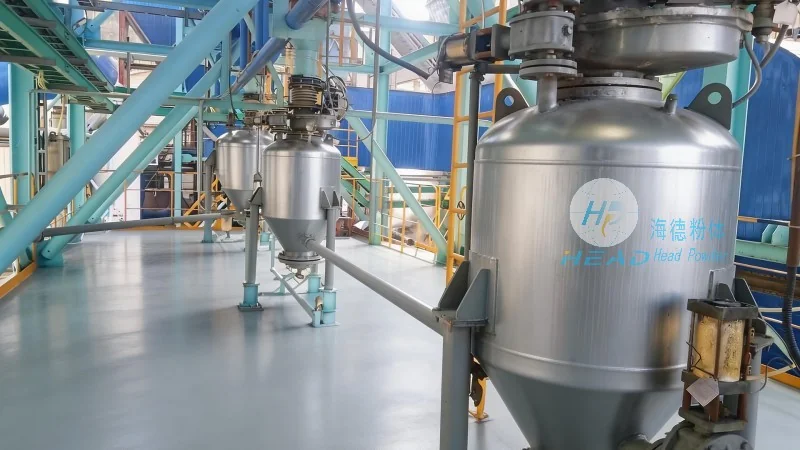
The lithium-ion battery nanomaterial powder conveying system is engineered to handle fine powders, such as those used in cathode and anode materials, with exceptional precision. The system operates on the principle of controlled air flow and mechanical movement, ensuring that powders are transported without degradation or contamination. Key components include high-efficiency dust collectors, flexible hoses, and specialized pumps that maintain the integrity of the nanomaterials throughout the conveying process. This approach minimizes particle agglomeration and ensures consistent material quality, which is critical for battery performance and longevity.
Working Scene Characteristics and Applications
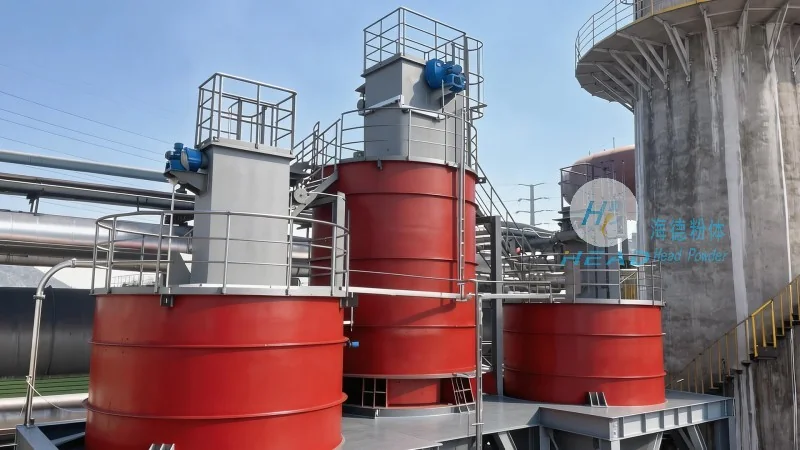
The working scene characteristics of HeadPowder’s conveying systems are tailored to the specific demands of lithium-ion battery production environments. These systems are designed for high-volume, continuous operation, making them ideal for large-scale manufacturing facilities. The equipment is capable of handling various types of nanomaterials, including but not limited to, lithium cobalt oxide (LCO), lithium iron phosphate (LFP), and other active materials used in battery cathodes. In the working scene, the system integrates seamlessly with existing production lines, reducing downtime and increasing overall productivity. The design also emphasizes safety and compliance with industrial standards, ensuring that operators can handle powders in a controlled and secure manner.
Advantages and Performance Metrics
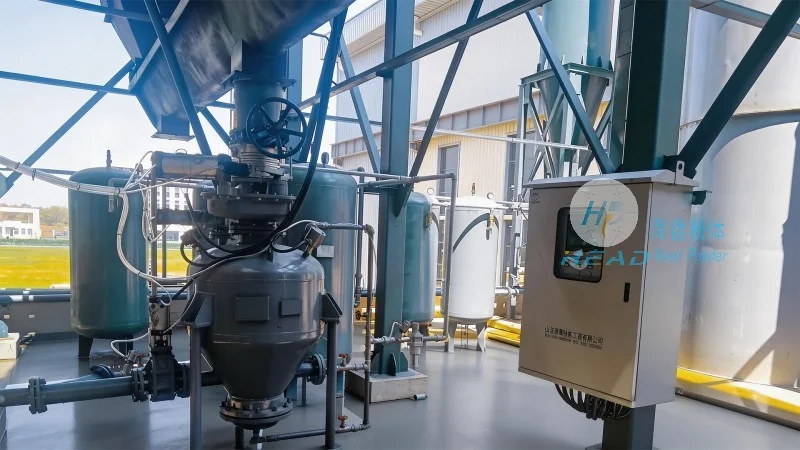
HeadPowder’s nanomaterial powder conveying systems offer several advantages that set them apart in the market. The systems are characterized by their low energy consumption, which helps reduce operational costs for manufacturers. Additionally, the equipment is designed for easy maintenance, with modular components that can be replaced or serviced quickly, minimizing production interruptions. Performance metrics, such as conveying capacity and material flow consistency, are optimized through advanced control systems, ensuring that the powder is delivered to the next stage of the battery manufacturing process with minimal variation. This consistency is vital for achieving uniform battery performance across production batches.
Conclusion and Future Outlook
As the demand for lithium-ion batteries continues to grow, the importance of reliable and efficient powder handling systems cannot be overstated. HeadPowder’s nanomaterial powder conveying equipment provides a robust solution that addresses the unique challenges of handling fine powders in battery production. By combining advanced technology with a deep understanding of industry needs, HeadPowder is positioned to support the evolving requirements of the battery industry. The company’s commitment to quality and innovation ensures that their systems will remain at the forefront of powder handling technology for years to come.