

Principle and Operational Characteristics of Dry Desulfurizer Powder Conveying System Equipment
Shandong HeadPowder Engineering Co., Ltd., a leading manufacturer in the field of industrial powder handling solutions, specializes in the design, development, and supply of advanced dry desulfurizer powder conveying systems. HeadPowder, as the company is commonly known, is headquartered in Shandong, China, and has established a strong reputation for delivering high-quality, efficient, and reliable equipment tailored to meet the diverse needs of the power generation and environmental protection industries.
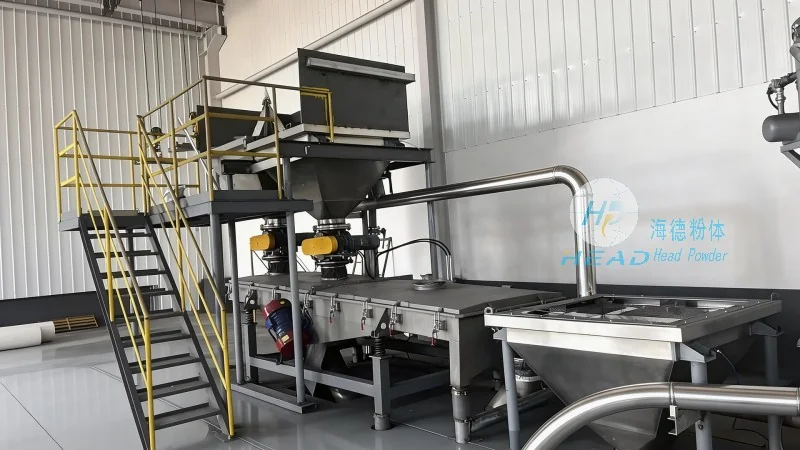
Introduction to Dry Desulfurizer Powder Conveying Systems
A dry desulfurizer powder conveying system is a critical component in modern power plants and industrial facilities that employ flue gas desulfurization (FGD) processes. The primary function of such a system is to transport dry desulfurizer powders, typically calcium-based sorbents like limestone or calcium hydroxide, from storage silos or bulk containers to the point of injection in the flue gas stream. This process is essential for reducing sulfur dioxide (SO₂) emissions, thereby complying with stringent environmental regulations and contributing to cleaner air quality.
Principle of Operation
The core principle of a dry desulfurizer powder conveying system revolves around the use of pneumatic or mechanical conveying technologies to move dry powders in a controlled manner. Pneumatic conveying systems utilize compressed air or other gases to create a flow that transports the powder through a network of pipes and ducts. Mechanical conveying systems, on the other hand, rely on positive displacement or screw conveyors to move the material. In both cases, the system is designed to maintain the integrity of the powder, prevent caking or agglomeration, and ensure consistent flow rates to maintain optimal desulfurization efficiency.
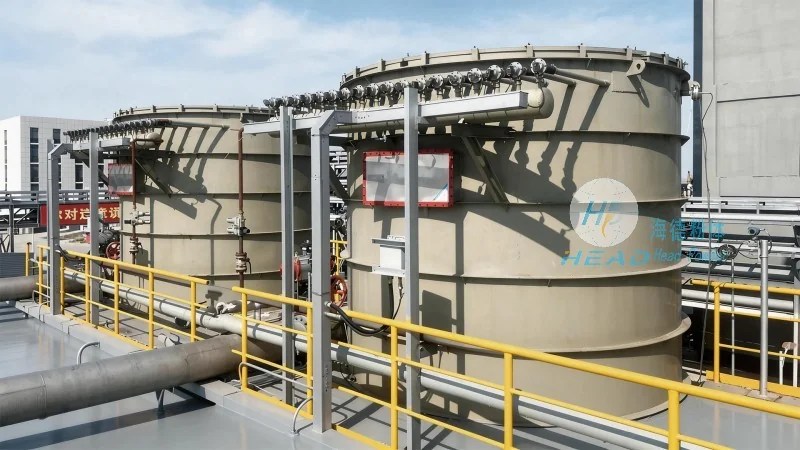
Key Components and Their Functions
Typical components of a dry desulfurizer powder conveying system include storage silos or hoppers, feeders (such as rotary valves or screw feeders), conveying lines (pneumatic or mechanical), dust collectors, and injection equipment. The storage silos are used to hold large quantities of desulfurizer powder, providing a buffer to ensure a continuous supply. Feeders regulate the flow of powder from the silos to the conveying system, ensuring a consistent feed rate. Conveying lines transport the powder to the injection point, where it is mixed with the flue gas and introduced into the boiler or ductwork. Dust collectors are integrated to capture any airborne particles, ensuring compliance with air quality standards and protecting the equipment from dust accumulation.
Operational Characteristics in Different Scenarios
The performance and characteristics of dry desulfurizer powder conveying systems can vary significantly based on the specific operational environment and application. For instance, in large-scale power plants with high throughput requirements, the system must be capable of handling large volumes of powder at high flow rates. This often involves the use of high-capacity pneumatic conveying systems with multiple pipelines and robust feeding mechanisms. In contrast, smaller industrial facilities may require more compact and cost-effective solutions, such as mechanical screw conveyors or low-pressure pneumatic systems.
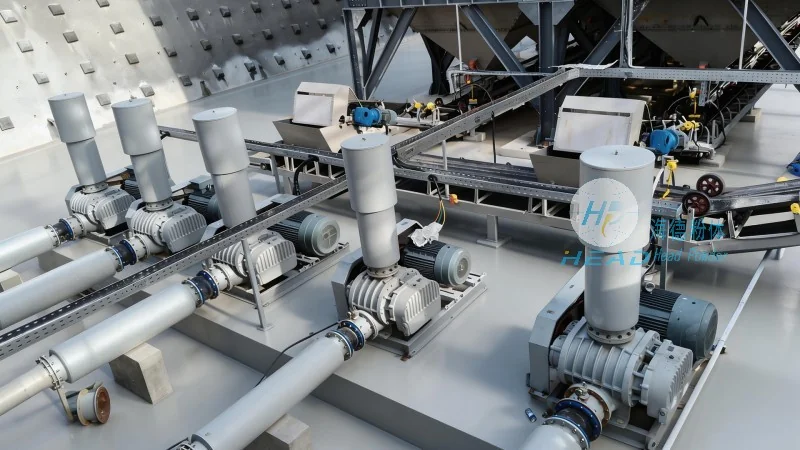
In terms of environmental conditions, the system must be designed to operate in harsh industrial settings, including high temperatures, corrosive gases, and abrasive powders. Materials of construction, such as stainless steel or special alloys, are used to withstand these conditions and ensure long-term durability. Additionally, the system is equipped with safety features, including pressure relief valves, emergency shut-off mechanisms, and monitoring systems to detect and prevent malfunctions.
Advantages and Benefits
Implementing a dry desulfurizer powder conveying system offers several advantages over traditional wet desulfurization methods. Firstly, it eliminates the need for water treatment and sludge disposal, reducing operational costs and environmental impact. Secondly, the system is more energy-efficient, as it does not require the energy-intensive processes associated with wet scrubbing. Thirdly, dry desulfurization can achieve higher removal efficiencies for SO₂, especially when combined with advanced sorbent technologies. Furthermore, the system is more flexible, allowing for adjustments in the desulfurization rate based on real-time emissions data.
Application Examples and Industry Impact
Dry desulfurizer powder conveying systems are widely used in various industries, including thermal power plants, coal-fired power stations, and industrial boilers. In these applications, the system plays a crucial role in reducing SO₂ emissions, which is a key factor in meeting national and international environmental standards. For example, in a 600 MW thermal power plant, a well-designed dry desulfurizer powder conveying system can achieve SO₂ removal efficiencies of over 95%, significantly contributing to improved air quality in the surrounding areas.
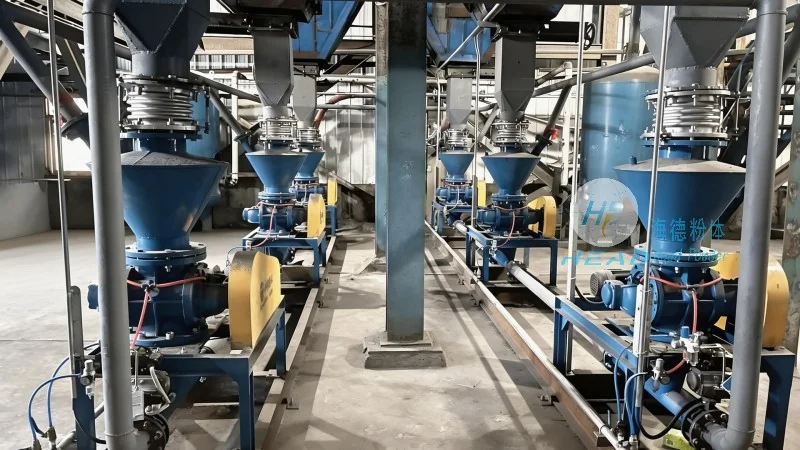
The impact of such systems extends beyond environmental compliance. They also enhance the overall operational efficiency of the power plant by ensuring a stable and consistent supply of desulfurizer powder, which in turn maintains optimal boiler performance and reduces maintenance costs. Additionally, the system's reliability and durability contribute to lower downtime and higher availability, which are critical factors for the economic viability of power generation facilities.
Conclusion
Shandong HeadPowder Engineering Co., Ltd. continues to innovate and provide advanced dry desulfurizer powder conveying systems that meet the evolving demands of the power generation and environmental protection industries. By leveraging cutting-edge technologies and adhering to stringent quality standards, HeadPowder ensures that its systems deliver superior performance, reliability, and environmental benefits. As the global focus on sustainable energy and clean air intensifies, the role of efficient dry desulfurizer powder conveying systems will only become more critical, making them an indispensable component of modern industrial operations.