

Principle and Working Scene Characteristics of Glass Raw Material Powder Conveying System Equipment
For glass manufacturers, the efficient and reliable transport of raw material powders is a critical factor in ensuring production stability and product quality. The glass raw material powder conveying system equipment, developed by Shandong HeadPowder Engineering Co., Ltd., is a specialized solution designed to meet these demands. This article will explore the fundamental principles of such systems and highlight the key characteristics of their operational environments.
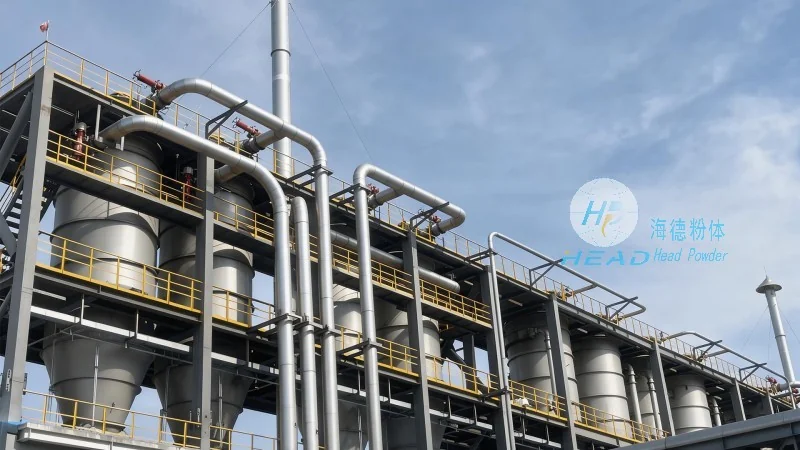
Company Overview: HeadPowder
Shandong HeadPowder Engineering Co., Ltd., commonly known as HeadPowder, is a leading manufacturer in the field of powder handling and conveying systems. With a strong focus on innovation and precision engineering, the company has established itself as a trusted partner for glass and other industrial sectors. HeadPowder's headquarters is located in Shandong, China, where the company conducts research, development, and production of advanced powder processing equipment. The company's commitment to quality and customer satisfaction has earned it a reputation for delivering high-performance solutions tailored to specific industrial needs.
Principle of Glass Raw Material Powder Conveying Systems
The core principle of glass raw material powder conveying systems is to transport fine powders, such as silica sand, soda ash, limestone, and other additives, from storage silos or raw material bins to the glass melting furnaces with minimal loss, contamination, and energy consumption. These systems typically employ pneumatic or mechanical conveying methods, depending on the specific characteristics of the raw materials and the production requirements. Pneumatic conveying systems utilize compressed air to move powders through pipelines, while mechanical systems rely on screw conveyors, bucket elevators, or belt conveyors to transport materials. The choice of conveying method is determined by factors like powder density, moisture content, particle size, and the required conveying distance and capacity.
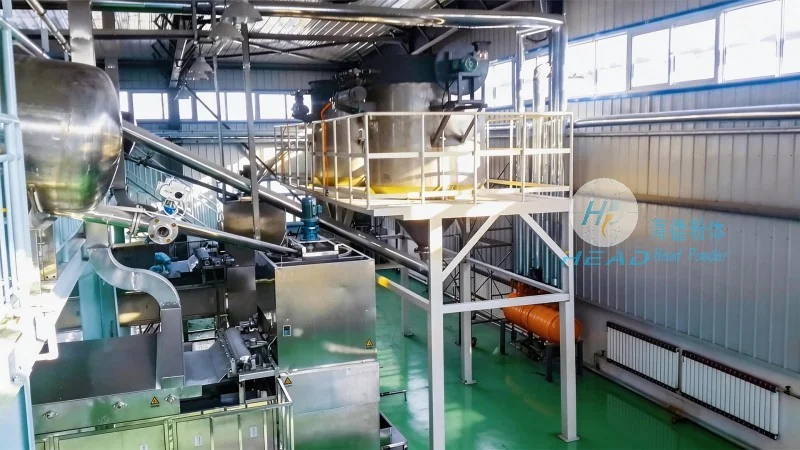
Key Components and Working Mechanism
A typical glass raw material powder conveying system consists of several key components, including feeders, conveying lines, dust collectors, and control systems. The process begins with the raw material being discharged from the storage silo into a feeder, which regulates the flow rate to maintain a consistent feed to the conveying line. The feeder may be a rotary valve, a star feeder, or a screw feeder, depending on the material's properties. The conveying line, often made of stainless steel or other corrosion-resistant materials, transports the powder to the receiving hopper or directly to the glass furnace. Dust collectors are integrated into the system to capture and filter any airborne particles, ensuring compliance with environmental regulations and maintaining a clean working environment. The control system monitors and adjusts the conveying parameters in real-time, optimizing performance and preventing system failures.
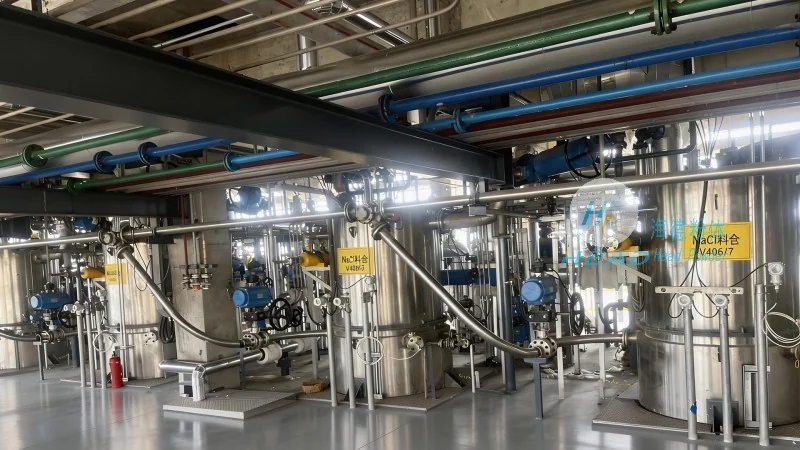
Working Scene Characteristics: Operational Environments
The operational environments of glass raw material powder conveying systems are characterized by high temperatures, dust, and the need for precise control. Glass manufacturing plants are typically large-scale industrial facilities with multiple production lines and extensive material handling infrastructure. The conveying systems must operate continuously for long hours, often 24/7, to support the steady production of glass products. The working environment may also involve exposure to corrosive substances, such as acidic or alkaline powders, which requires the use of specialized materials and protective measures. Additionally, the systems must be designed to handle variations in raw material properties, such as changes in moisture content or particle size distribution, without compromising performance. The characteristics of the working scene, including the scale of the plant, the type of raw materials, and the production schedule, directly influence the design and configuration of the conveying system.
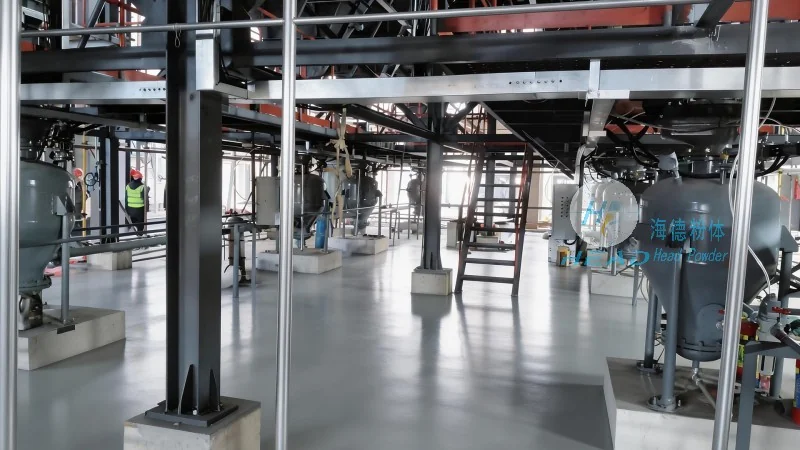
Advantages and Applications
HeadPowder's glass raw material powder conveying systems offer several advantages that make them suitable for various glass production applications. These systems provide high conveying efficiency, ensuring that raw materials are delivered to the melting furnaces in a timely and consistent manner. The use of advanced control systems allows for precise regulation of flow rates and pressure, minimizing material loss and reducing energy consumption. The systems are also designed for easy maintenance and cleaning, which helps to maintain product quality and extend the lifespan of the equipment. The applications of these systems range from the production of flat glass, such as for windows and automotive windshields, to specialty glass products like fiberglass and optical glass. In each case, the conveying system plays a crucial role in ensuring the smooth operation of the glass manufacturing process.
Conclusion
Shandong HeadPowder Engineering Co., Ltd.'s glass raw material powder conveying system equipment is a reliable and efficient solution for the transportation of fine powders in glass manufacturing. By understanding the fundamental principles and operational characteristics of these systems, manufacturers can optimize their production processes and improve overall performance. The company's commitment to quality and innovation ensures that its products meet the highest standards, providing long-term value and support to its customers. With its headquarters in Shandong, China, HeadPowder continues to be a leader in the development of advanced powder handling solutions for the glass industry.