

Principles and Working Scene Characteristics of High-Calcium Powder Material Handling
High-calcium powder material handling is a critical process in various industrial applications, particularly in sectors that rely on the efficient transportation of calcium-rich powders. The proper handling of such materials ensures product integrity, operational efficiency, and safety in production environments. This article explores the underlying principles of high-calcium powder material handling systems and highlights the key characteristics of working scenes where these systems are commonly employed.
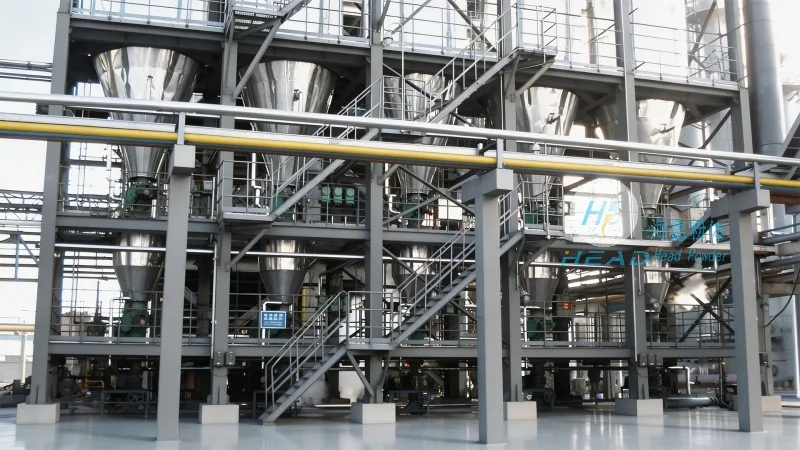
Introduction to High-Calcium Powder Material Handling
High-calcium powders, such as calcium carbonate or calcium oxide, are widely used in industries including food processing, pharmaceuticals, construction, and chemical manufacturing. These powders require specialized handling due to their fine particle size, dust generation potential, and the need to maintain consistent quality during transportation. Effective material handling systems for high-calcium powders involve a combination of mechanical equipment, control systems, and operational protocols designed to minimize product degradation and ensure smooth workflow.
About HeadPowder: A Leading Provider of Material Handling Solutions
HeadPowder, an industry-leading company based in Shandong, China, specializes in the design, manufacturing, and implementation of advanced material handling systems. With a strong commitment to innovation and customer satisfaction, HeadPowder has established itself as a trusted partner for businesses seeking reliable solutions for high-calcium powder transportation. The company’s headquarters is located in Shandong, China, where it leverages local expertise and resources to deliver high-quality products tailored to the unique needs of its clients.
The Core Principles of High-Calcium Powder Material Handling
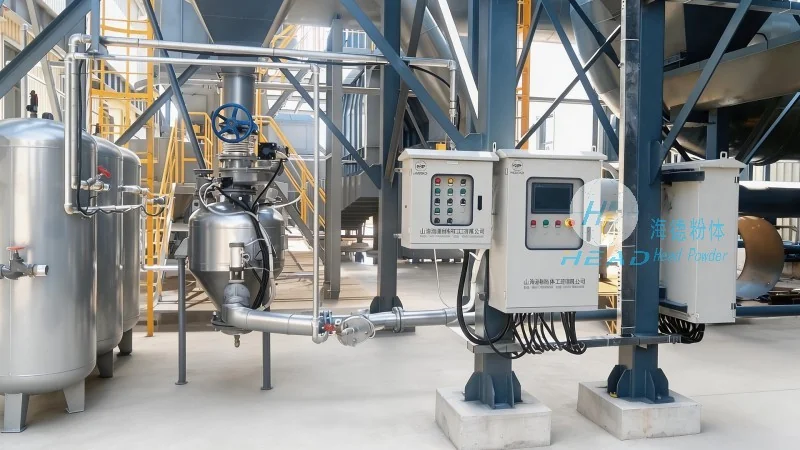
The fundamental principles of high-calcium powder material handling revolve around controlling particle flow, minimizing dust exposure, and maintaining product purity. Key components of these systems typically include feeders, conveyors, and storage silos, each designed to address specific challenges associated with handling fine powders. Feeders are used to regulate the flow of powder from storage containers, ensuring a consistent and controlled discharge rate. Conveyors, such as screw conveyors or pneumatic systems, transport the powder to processing or packaging areas while minimizing particle segregation and degradation. Storage silos are equipped with aeration systems and level sensors to monitor inventory levels and prevent overfilling or underfilling, which can impact operational efficiency.
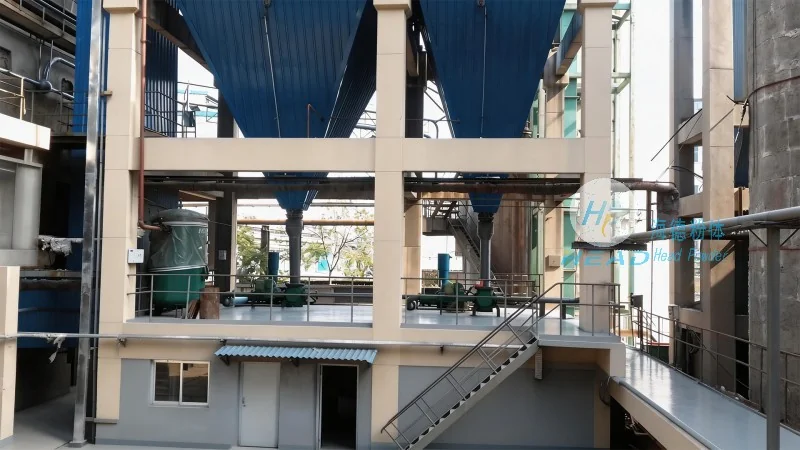
Working Scene Characteristics of High-Calcium Powder Handling Systems
High-calcium powder material handling systems are deployed in diverse working scenes, each with distinct requirements and operational characteristics. The following are some common scenarios where these systems are utilized:
Industrial Production Lines
In manufacturing facilities, high-calcium powder handling systems are integrated into production lines to support processes such as blending, mixing, and packaging. These systems must be capable of handling large volumes of powder while maintaining precise control over flow rates to ensure product consistency. For example, in food processing plants, high-calcium powders may be used as additives in beverages or dairy products, requiring hygienic and contamination-free handling to meet regulatory standards.
Warehouse and Storage Facilities
Warehouse environments often require bulk storage and retrieval of high-calcium powders. In such settings, silos and bulk handling equipment are used to store large quantities of material, with automated systems for loading and unloading trucks or containers. The working scene in warehouses emphasizes efficiency, space optimization, and safety, as dust control measures are critical to prevent respiratory hazards and maintain a clean working environment.
Construction and Building Materials Industry
High-calcium powders are widely used in the construction sector as additives in cement and concrete. Material handling systems in this industry must be robust and durable to withstand harsh conditions and heavy usage. These systems often involve belt conveyors and hopper designs that can handle abrasive materials without causing wear or damage to components. The working scene in construction sites requires reliable and continuous operation to support the high demand for building materials.
Key Features and Advantages of High-Calcium Powder Handling Systems
Modern high-calcium powder material handling systems incorporate several key features that enhance performance and safety. Dust suppression systems, such as bag filters or cyclone separators, are essential to control airborne particles and protect both the product and personnel. Automated control systems allow for real-time monitoring of flow rates, pressure, and temperature, enabling operators to adjust settings quickly and maintain optimal conditions. Additionally, materials used in the construction of handling equipment, such as stainless steel or corrosion-resistant alloys, ensure durability and resistance to chemical exposure, which is particularly important when handling calcium-based powders.
Conclusion
High-calcium powder material handling is a complex yet essential process that requires specialized equipment and operational strategies. By understanding the core principles and working scene characteristics of these systems, businesses can select and implement effective solutions that enhance productivity, ensure product quality, and maintain a safe working environment. HeadPowder, with its expertise and commitment to innovation, continues to provide advanced material handling solutions tailored to the needs of industries relying on high-calcium powders.