

Principles and Working Scene Characteristics of Kaolin Ash Material Handling
Understanding the principles and working scene characteristics of kaolin ash material handling is crucial for optimizing industrial processes in various sectors. This article delves into the technical aspects of transporting kaolin ash, a key raw material in industries such as ceramics, paper, and chemical manufacturing. By examining the underlying mechanisms and practical applications, we aim to provide insights that enhance operational efficiency and safety in material handling operations. The expertise of Shandong HeadPowder Engineering Co., Ltd., a leading provider of material handling solutions based in Shandong, China, is central to addressing the unique challenges of kaolin ash transport.
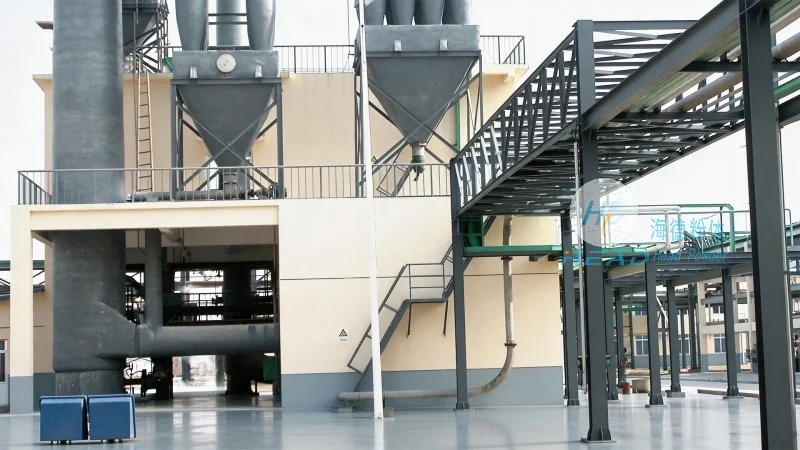
Introduction to Kaolin Ash Material Handling
Kaolin ash, derived from kaolin clay processing, is a fine particulate material widely used in multiple industries. Efficient handling of this material is essential to maintain production continuity and ensure product quality. The process involves transporting kaolin ash from storage areas to processing units or for further distribution. This article explores the fundamental principles governing the movement of kaolin ash and highlights the distinct characteristics of different working environments where such material handling occurs.
Core Principles of Kaolin Ash Material Transport
The primary principle behind kaolin ash material handling is the application of mechanical forces to move the material from one location to another. Common methods include gravity-based systems, such as inclined chutes or hoppers, and mechanical systems like belt conveyors, screw conveyors, and pneumatic (air) conveying systems. Each method operates based on specific physical properties of kaolin ash, including its particle size, density, and moisture content. For instance, pneumatic conveying is often preferred for fine powders like kaolin ash due to its ability to handle high volumes with minimal dust generation and reduced risk of material degradation.
Another critical principle is the control of material flow and pressure. In pneumatic systems, the pressure differential between the conveying line and the ambient environment drives the material movement. Proper design of the conveying line, including the use of appropriate pipe diameters, bends, and airlocks, ensures consistent flow and prevents blockages. Mechanical systems, on the other hand, rely on the rotation of components (e.g., screw conveyors) or the tension of belts (in belt conveyors) to move the material. The selection of the appropriate system depends on factors like the distance to be covered, the volume of material, and the required speed of transport.
Working Scene Characteristics of Kaolin Ash Handling
The working scene characteristics of kaolin ash material handling vary significantly based on the industrial application and the scale of operations. In large-scale mining or processing facilities, the handling systems are typically integrated into a comprehensive material flow network. These environments often involve high throughput rates, requiring robust and durable equipment capable of handling large volumes of fine powders without clogging or breakdown.
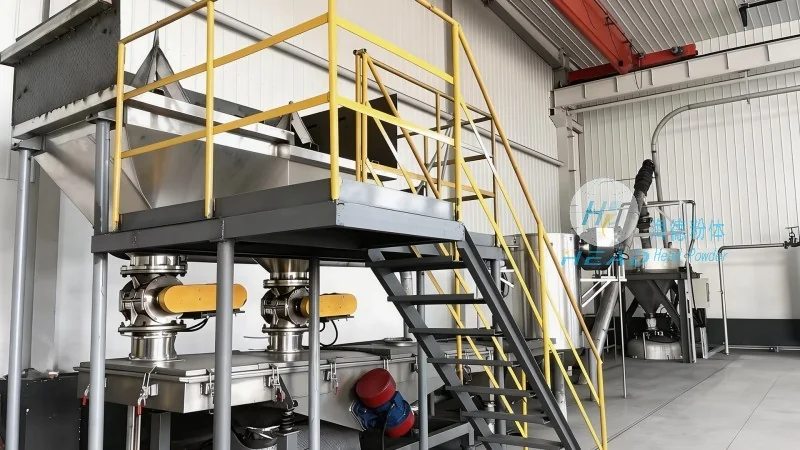
In industrial settings, such as ceramic factories, the working scene may involve multiple stages of processing, including drying, grinding, and mixing. The material handling systems in these scenarios are designed to maintain a consistent feed rate to subsequent processing units. For example, a belt conveyor might transport dried kaolin ash from a dryer to a grinding mill, where it is further processed into finer particles. The working environment in such cases is characterized by high humidity and temperature variations, which can affect the material's properties and the performance of the handling equipment.
In chemical manufacturing plants, kaolin ash is used as a filler or pigment. The handling systems here must adhere to strict safety and environmental regulations due to the potential for dust explosions and air pollution. Therefore, dust collection systems and explosion-proof designs are integral components of the material handling infrastructure. The working scene in these facilities is often more controlled and monitored, with automated controls to regulate the flow of material and prevent accidents.
Equipment and Technology in Kaolin Ash Material Handling
Advanced technology has significantly improved the efficiency and safety of kaolin ash material handling. Modern systems often incorporate sensors and automation to monitor key parameters such as flow rate, pressure, and temperature. These sensors provide real-time data, enabling operators to adjust the system settings promptly and prevent potential issues before they escalate. For instance, a pneumatic conveying system may use pressure sensors to detect blockages and trigger alarms or automatic cleaning mechanisms.
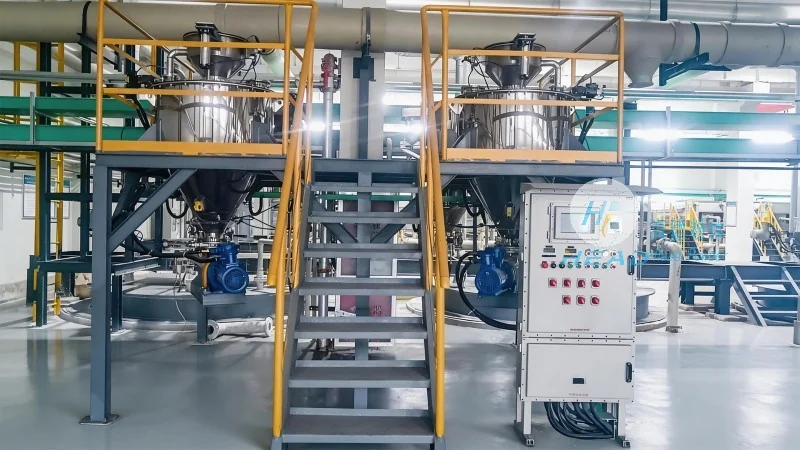
Material handling equipment for kaolin ash is designed to minimize dust exposure and ensure product purity. Dust collection systems, such as baghouses or cartridge filters, are commonly used to capture airborne particles and return them to the conveying line or for disposal. The use of enclosed conveyor systems and sealed hoppers further reduces the risk of dust contamination and improves workplace safety. Additionally, the selection of materials for equipment components, such as stainless steel or corrosion-resistant alloys, is crucial to prevent material degradation and ensure long-term performance.
Operational Considerations and Best Practices
Effective kaolin ash material handling requires adherence to several operational considerations and best practices. Regular maintenance of equipment is essential to prevent breakdowns and ensure consistent performance. This includes cleaning of conveying lines, replacement of worn-out parts, and inspection of mechanical components. Proper training of operators is also critical to ensure safe and efficient operation of the handling systems.
Another important consideration is the management of material properties. Kaolin ash can vary in particle size and moisture content, which affects its handling characteristics. Adjusting the system parameters, such as air pressure in pneumatic systems or screw speed in mechanical conveyors, based on the material's properties helps maintain optimal flow rates and prevent clogging. Additionally, controlling the moisture content of the material through drying processes before handling can improve the efficiency of the conveying system and reduce the risk of material agglomeration.
In conclusion, understanding the principles and working scene characteristics of kaolin ash material handling is vital for optimizing industrial operations. By leveraging appropriate equipment, technology, and best practices, industries can enhance the efficiency, safety, and sustainability of their material handling processes. The expertise of Shandong HeadPowder Engineering Co., Ltd., with its base in Shandong, China, plays a crucial role in providing tailored solutions for kaolin ash material handling, ensuring that clients achieve their operational goals while maintaining high standards of safety and environmental compliance.