

Principles and Working Scene Characteristics of Quartz Sand Material Conveying
Quartz sand, a vital component in numerous industrial applications, necessitates efficient and reliable conveying systems to facilitate seamless production workflows. The principles and working scene characteristics of quartz sand material conveying are fundamental to optimizing operational efficiency and preserving product integrity. This article delves into the core principles governing quartz sand conveying systems and elucidates the specific attributes of their operational environments.
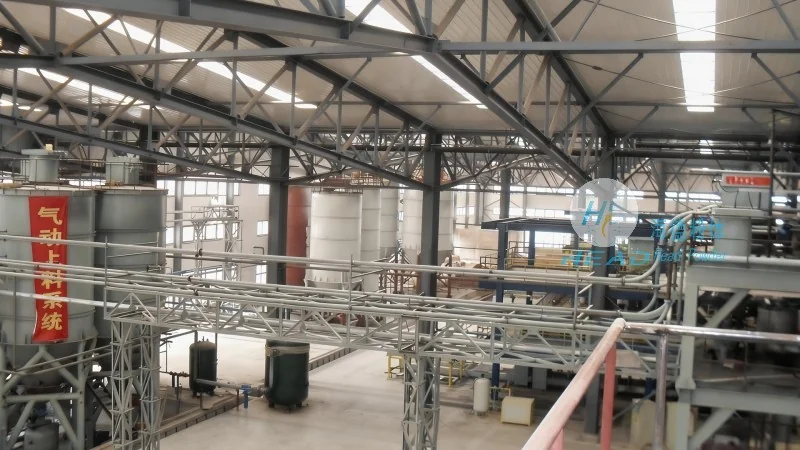
About HeadPowder
HeadPowder, formally known as Shandong HeadPowder Engineering Co., Ltd., is a prominent provider of specialized material handling solutions. Headquartered in Shandong, China, the company specializes in delivering high-quality conveying equipment engineered to meet the unique requirements of diverse industries. HeadPowder's expertise centers on understanding the physical properties of materials such as quartz sand and designing systems that maximize performance while minimizing operational risks. The company's commitment to innovation and customer satisfaction has established it as a trusted partner in the material handling sector.
Principles of Quartz Sand Material Conveying
The fundamental principle of quartz sand material conveying involves transporting granular materials from one location to another through mechanical or pneumatic means. Given quartz sand's typical particle size range and density, several conveying methods are commonly utilized. These include belt conveyors, screw conveyors, pneumatic conveyors, and bucket elevators. Each method operates based on distinct physical forces—gravity, friction, and air pressure—to move the material through the system. The selection of a conveying method is contingent upon factors like material characteristics, distance to be covered, and required throughput. For example, belt conveyors are well-suited for long-distance horizontal or slight incline transport due to their high capacity and low maintenance requirements. Screw conveyors are ideal for vertical or inclined transport, as they utilize a rotating screw to propel the material forward. Pneumatic conveyors, which employ air pressure to transport material within a closed system, are effective for fine powders prone to dust or clogging. A thorough understanding of these principles enables the selection of the most appropriate conveying system for quartz sand applications, ensuring optimal performance and cost-effectiveness.
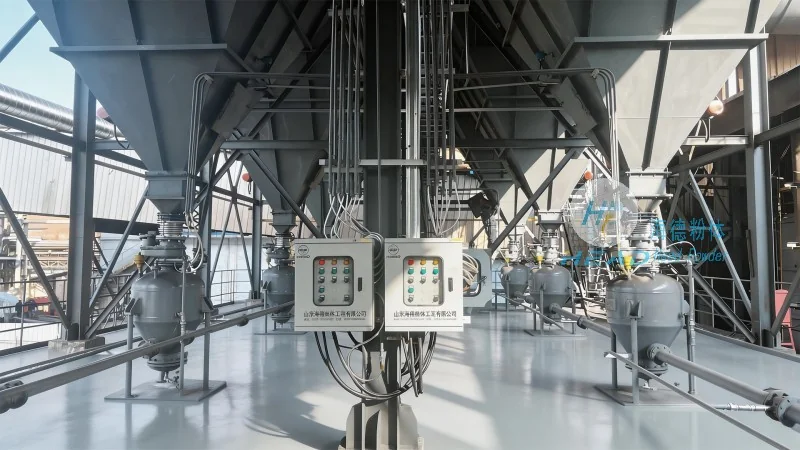
Working Scene Characteristics of Quartz Sand Conveying Systems
The working scenes of quartz sand conveying systems exhibit significant variations based on the application and industry. In mining and quarrying operations, the systems are often designed to handle large volumes of raw quartz sand from extraction sites to processing facilities. These environments are typically characterized by high dust levels and require robust equipment capable of withstanding abrasive wear from the material. In the construction and manufacturing sectors, conveying systems transport quartz sand for concrete production, glass manufacturing, or as a filler in various products. These working environments are generally more controlled, with a focus on precision and cleanliness. Additionally, in the chemical and pharmaceutical industries, where quartz sand serves as a filtration medium or raw material for specialty products, conveying systems must adhere to stringent hygiene standards. The characteristics of these working scenes include varying temperatures, humidity levels, and the need for dust control measures. For instance, in a glass manufacturing plant, the quartz sand is conveyed to a furnace where it is melted with other materials. The conveying system must ensure a consistent flow of material to maintain the quality of the glass product. In a construction site, the quartz sand is transported to the mixing area for concrete production, where the system must handle high volumes and varying particle sizes. The working scene characteristics also involve the need for integration with other production processes, such as storage silos or processing equipment. This integration requires careful planning to ensure smooth material flow and minimize downtime. Overall, the working scene characteristics of quartz sand conveying systems are diverse and necessitate tailored solutions to meet the specific demands of each application, highlighting the importance of customized design in material handling.
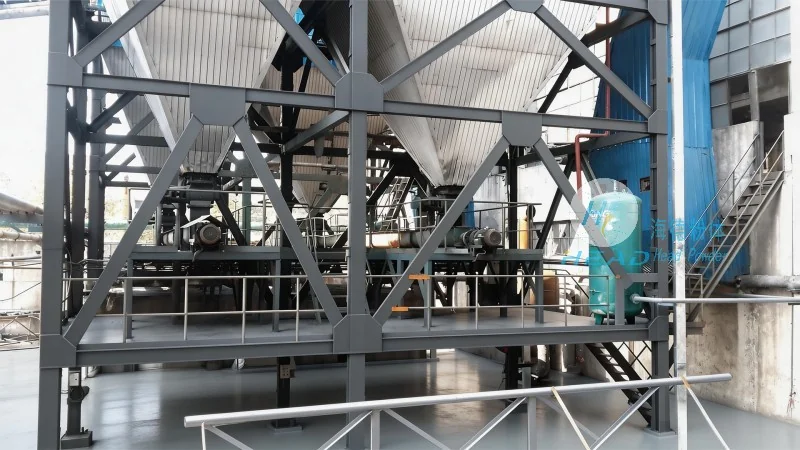
Optimizing Conveying Systems for Quartz Sand
Optimizing quartz sand conveying systems involves a combination of proper system design, regular maintenance, and adherence to operational best practices. Proper system design begins with a thorough analysis of the material's properties, including particle size distribution, moisture content, and density. This analysis helps in selecting the appropriate conveying method and equipment specifications. For instance, if the quartz sand has a high moisture content, a pneumatic conveyor may be preferred to prevent material buildup and clogging. Regular maintenance is crucial to ensure the longevity and efficiency of the system. This includes inspecting components like belts, screws, and air filters for wear and tear, and replacing them as needed. Operational best practices, such as maintaining consistent material feed rates and monitoring system performance, also contribute to optimal operation. Additionally, implementing dust control measures, such as using enclosed systems or dust collection devices, is essential to maintain a safe and healthy working environment. By adhering to these principles, organizations can enhance the performance of their quartz sand conveying systems, reduce operational costs, and improve overall productivity. The optimization process is an ongoing effort that requires continuous monitoring and adjustment to adapt to changing production needs and material characteristics.
Conclusion
In conclusion, the principles and working scene characteristics of quartz sand material conveying are critical for ensuring efficient and reliable material handling in various industries. Understanding the fundamental principles of conveying systems, such as the different methods and their operating mechanisms, is essential for selecting the right equipment. The working scene characteristics, which vary based on the application and industry, require tailored solutions to meet specific demands. By leveraging the expertise of companies like Shandong HeadPowder Engineering Co., Ltd., organizations can design and implement effective conveying systems that enhance operational efficiency, maintain product quality, and ensure safety. The continuous optimization of these systems through proper design, maintenance, and operational practices is key to achieving long-term success in quartz sand handling. As industries continue to evolve, the importance of efficient material conveying will only grow, making it a vital component of overall production processes.