

Principle and Working Scene Characteristics of Activated Carbon Material Conveying
HeadPowder, a leading provider in the field of material handling solutions, specializes in the design and implementation of efficient activated carbon material conveying systems. With a strong presence in Shandong, China, the company has established itself as a trusted partner for industries requiring reliable and effective material transport solutions.
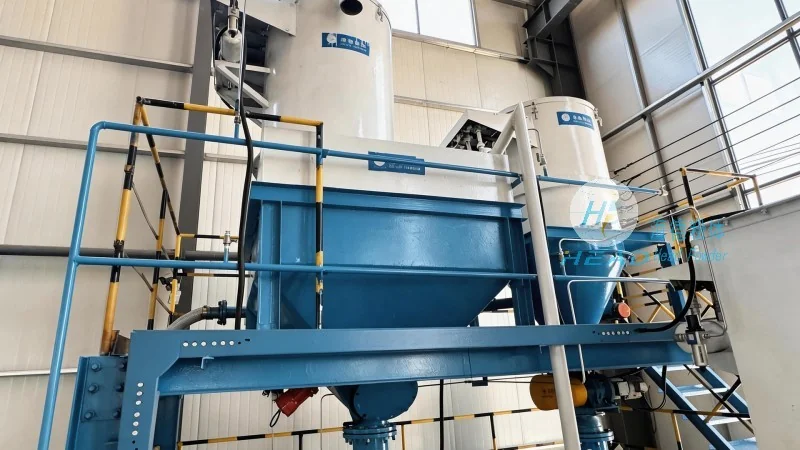
Introduction to Activated Carbon Material Conveying
Activated carbon material conveying refers to the process of transporting activated carbon, a highly porous carbon material widely used in air purification, water treatment, and industrial processes, from one location to another. This process is critical for optimizing operational efficiency and ensuring consistent material flow in various industrial applications. The effectiveness of the conveying system directly impacts the performance of downstream processes, making it a key component in industrial operations.
The Core Principles of Activated Carbon Material Conveying
The fundamental principles of activated carbon material conveying revolve around the efficient movement of bulk materials while maintaining material integrity and minimizing degradation. Key factors include the selection of appropriate conveying equipment, such as screw conveyors, pneumatic conveyors, or belt conveyors, based on the specific characteristics of the activated carbon, including its particle size, moisture content, and flowability. The conveying system must also consider the need to prevent material segregation, ensure uniform distribution, and maintain the adsorption properties of the activated carbon without causing excessive pressure or friction that could lead to attrition.
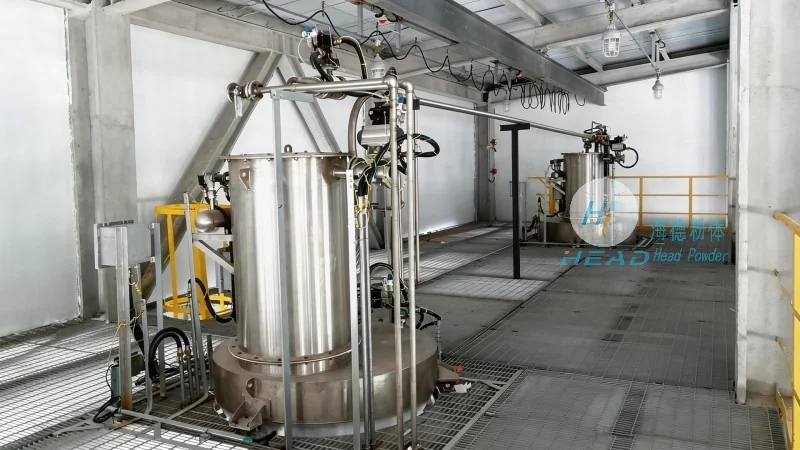
Working Scene Characteristics of Activated Carbon Material Conveying
The operational scenarios for activated carbon material conveying vary significantly depending on the industry and application. In air purification systems, for example, the conveying process may involve moving activated carbon from storage silos to filtration units, often under controlled conditions to maintain moisture levels and prevent dust generation. In water treatment facilities, the system may need to handle larger volumes of activated carbon, requiring robust and high-capacity conveying solutions to ensure continuous operation. Industrial processes, such as chemical manufacturing or pharmaceutical production, may also utilize activated carbon for purification or decolorization, where the conveying system must be integrated with other processing equipment to maintain a seamless workflow.
Key Considerations for Effective Activated Carbon Conveying
Several critical considerations must be addressed to ensure the successful implementation of activated carbon material conveying systems. First, the choice of equipment must align with the physical properties of the activated carbon, such as its density, abrasiveness, and tendency to clump or agglomerate. For instance, screw conveyors are commonly used for dry, free-flowing activated carbon due to their ability to handle bulk materials without the need for additional air or power. Pneumatic conveyors, on the other hand, are suitable for fine powders or when dust control is a priority, as they use air pressure to move materials through a pipeline.
Second, the system design must account for the need to minimize material degradation and maintain the adsorption capacity of the activated carbon. This involves controlling the speed of the conveying equipment, ensuring smooth transitions between different sections of the system, and using appropriate materials for the conveyor components to prevent wear and tear. Additionally, the system should incorporate features like dust collection and filtration to protect the environment and maintain the quality of the activated carbon.
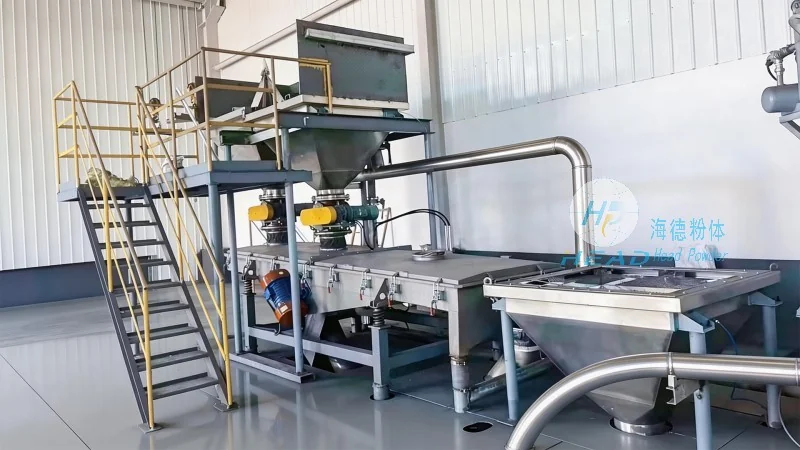
Applications and Industries Benefiting from Activated Carbon Conveying
The applications of activated carbon material conveying span across multiple industries, each with unique requirements. In the environmental sector, activated carbon is used for air and water purification, where the conveying system must be reliable and capable of handling large volumes of material to meet regulatory standards. In the chemical industry, activated carbon is employed for solvent recovery and process purification, requiring precise control over the conveying process to avoid contamination or loss of material. The pharmaceutical industry also relies on activated carbon for drug purification and deodorization, where the system must adhere to strict hygiene and safety standards. Finally, in the food and beverage industry, activated carbon is used for filtration and decolorization, necessitating a conveying system that is easy to clean and maintain.
Conclusion
Activated carbon material conveying is a complex yet essential process that requires careful consideration of various factors to ensure optimal performance. By understanding the core principles and working scene characteristics, industries can select and implement the most suitable conveying systems to meet their specific needs. HeadPowder, with its expertise and commitment to quality, continues to provide innovative solutions that enhance the efficiency and reliability of activated carbon material handling across diverse applications.