

Principle and Working Scene Characteristics of PVC Resin Material Handling Systems
HeadPowder, a leading provider in the field of material handling solutions, specializes in the design and implementation of efficient PVC resin material handling systems. These systems are engineered to address the unique challenges associated with transporting and processing polyvinyl chloride (PVC) resin, a versatile polymer widely used in the manufacturing of various products such as pipes, flooring, and construction materials. The core principle behind these systems revolves around optimizing the flow of material from storage to processing units, ensuring minimal downtime and maximizing operational efficiency.
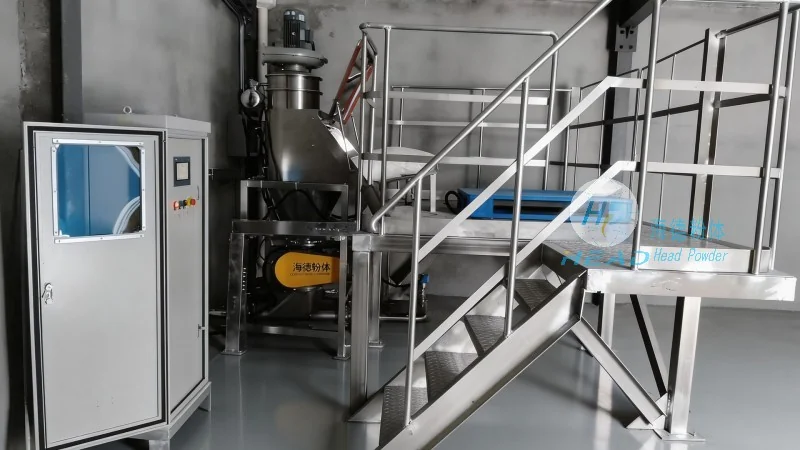
Core Principles of PVC Resin Material Handling Systems
The fundamental principle of a PVC resin material handling system is to create a seamless and controlled environment for the movement of resin. This involves integrating various components, including storage silos, conveying equipment, and feeding mechanisms, to ensure that the resin is handled gently to avoid degradation or contamination. The system is designed to maintain consistent moisture levels and temperature, which are critical factors in preserving the quality of PVC resin. By employing advanced engineering techniques, such as pneumatic conveying or screw conveyors, the system minimizes the risk of material breakage and ensures a uniform flow rate. The integration of sensors and control systems further enhances the system's ability to monitor and adjust parameters in real-time, thereby maintaining optimal operating conditions.
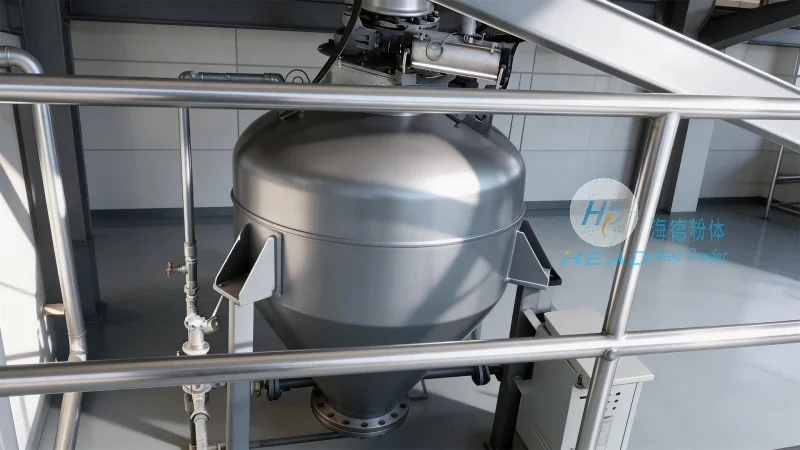
Working Scene Characteristics and Applications
PVC resin material handling systems are deployed in diverse industrial settings, each with distinct characteristics that influence the system's design and functionality. In manufacturing plants, these systems are typically integrated into production lines to facilitate the continuous supply of resin to extrusion or molding machines. The working scene characteristics vary based on the scale of operations, with large-scale facilities requiring high-capacity conveying solutions to handle substantial volumes of resin. For instance, in a plastic pipe manufacturing plant, the system must be capable of delivering resin at a rate that matches the production output, ensuring that the extrusion process operates without interruptions. The working environment in such settings often involves high temperatures and dust, necessitating robust equipment that can withstand harsh conditions while maintaining precision in material handling.
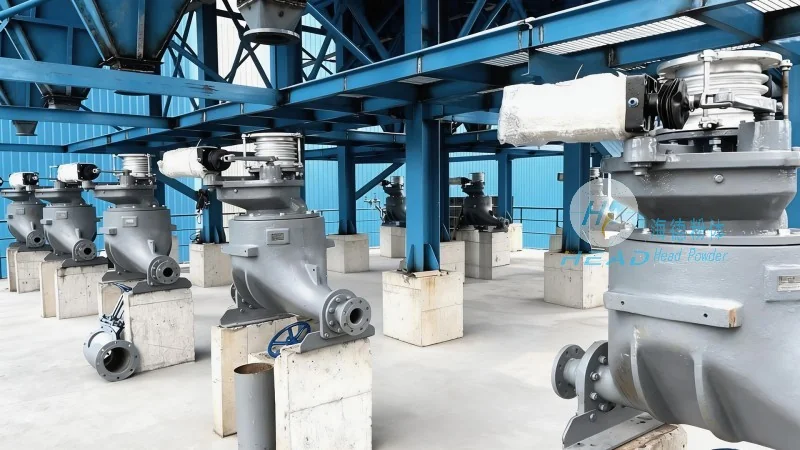
In the construction materials sector, where PVC is used for flooring and wall panels, the material handling system may be part of a larger production line that includes mixing, extrusion, and cutting processes. The working scene here emphasizes the need for clean and controlled handling to prevent contamination from foreign particles, which could affect the final product's quality. The system's design may incorporate dust collection and filtration systems to maintain a clean working environment, aligning with industry standards for product purity. Additionally, in smaller-scale operations, such as custom PVC product manufacturers, the material handling system might be more compact and flexible, allowing for the handling of various resin types and batch sizes. This adaptability is crucial for meeting the diverse demands of custom orders while maintaining operational efficiency.
Key Features and Advantages in Different Working Scenarios
Across different working scenes, PVC resin material handling systems exhibit several key features that contribute to their effectiveness. One of the primary advantages is the ability to handle bulk quantities of resin, which reduces the need for frequent manual handling and minimizes labor costs. The systems are also designed to be energy-efficient, with optimized conveying speeds and power consumption that align with operational needs. In environments where space is limited, such as in urban manufacturing facilities, the compact design of the system allows for efficient use of available space without compromising performance. Furthermore, the integration of automated controls enables remote monitoring and management, enhancing operational flexibility and reducing the need for on-site personnel. These features collectively contribute to improved productivity and reduced operational costs, making the system a valuable asset in various industrial applications.
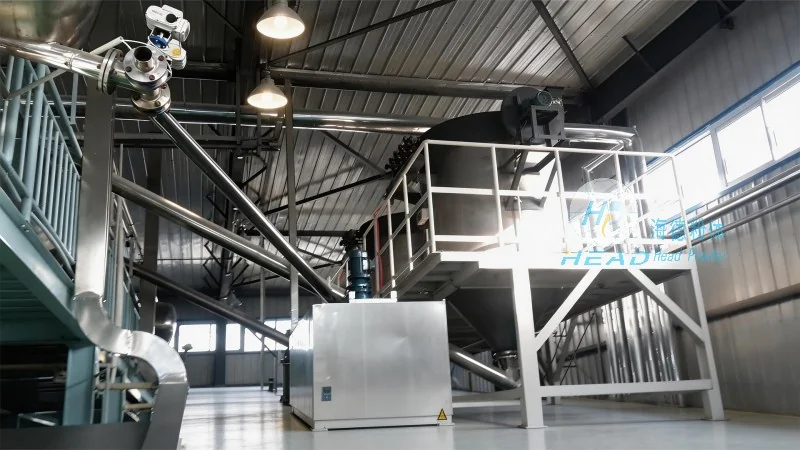
Conclusion and Company Overview
HeadPowder Engineering Co., Ltd., based in Shandong, China, is a reputable company dedicated to providing high-quality material handling solutions tailored to the needs of the PVC industry. With a focus on innovation and customer satisfaction, the company has established itself as a trusted partner for businesses seeking reliable and efficient PVC resin material handling systems. The company's expertise in engineering and manufacturing ensures that each system is customized to meet specific operational requirements, delivering optimal performance and longevity. By adhering to stringent quality standards and leveraging advanced technology, HeadPowder continues to set benchmarks in the material handling sector, supporting the growth and success of its clients in the PVC industry.