

Principles and Operational Scenarios of Industrial Alkali Material Handling Systems
Industrial alkali material handling systems are critical components in various manufacturing and processing industries, particularly where caustic substances like sodium hydroxide, potassium hydroxide, or other alkaline chemicals are involved. These systems are designed to safely and efficiently transport, store, and manage alkali materials throughout production processes. Understanding the principles behind such systems and the specific operational scenarios they address is essential for optimizing industrial operations and ensuring compliance with safety and environmental regulations.
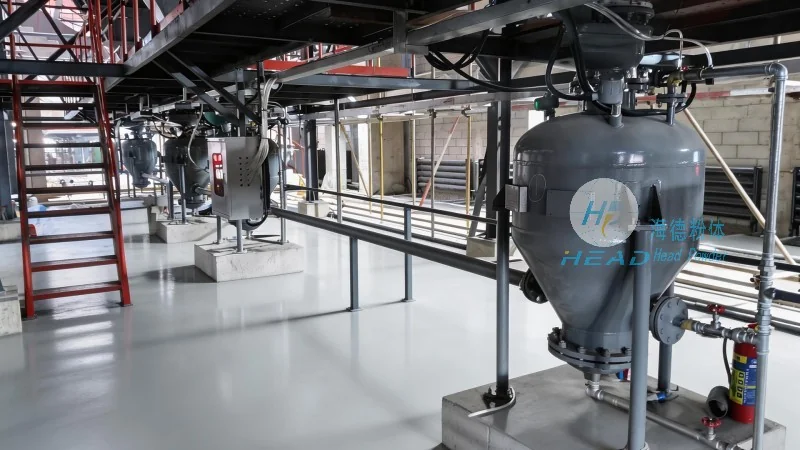
Company Introduction: Shandong HeadPowder Engineering Co., Ltd.
HeadPowder, as a leading engineering solutions provider, specializes in the design, manufacturing, and integration of industrial material handling systems. With a strong focus on safety, efficiency, and durability, the company has established itself as a trusted partner for businesses requiring reliable alkali material handling solutions. HeadPowder operates from Shandong, China, leveraging local expertise and advanced manufacturing capabilities to deliver high-quality systems tailored to client needs.
Principles of Industrial Alkali Material Handling Systems
The core principles of industrial alkali material handling systems revolve around ensuring safe handling of caustic substances, which pose significant risks if not managed properly. Key principles include: material compatibility with equipment, effective containment to prevent leaks or spills, proper ventilation and environmental controls, and adherence to safety protocols to protect personnel and equipment. Systems are typically engineered to handle the chemical properties of alkalis, such as high reactivity, corrosiveness, and potential for exothermic reactions during handling. This involves selecting appropriate materials for construction, such as corrosion-resistant alloys or specialized polymers, and implementing robust sealing mechanisms to prevent material leakage.
Operational Scenarios and Applications
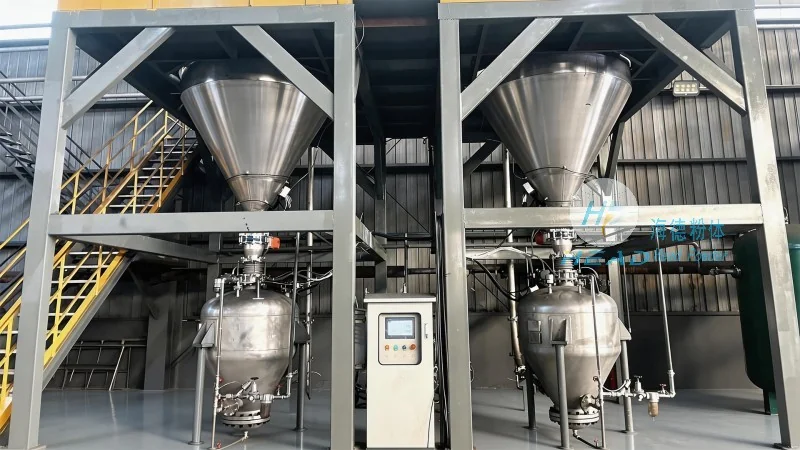
Industrial alkali material handling systems are employed in a wide range of applications across different industries. In the chemical manufacturing sector, these systems are crucial for transporting bulk alkali chemicals from storage tanks to processing units, such as in the production of soaps, detergents, or other chemical products. The systems may also be used in the pharmaceutical industry for handling alkaline intermediates or in the food processing industry for cleaning and sanitization processes where caustic solutions are employed. Additionally, in the pulp and paper industry, alkali materials are used for pulping and bleaching, requiring specialized handling systems to manage the flow and storage of these chemicals efficiently.
System Components and Design Considerations
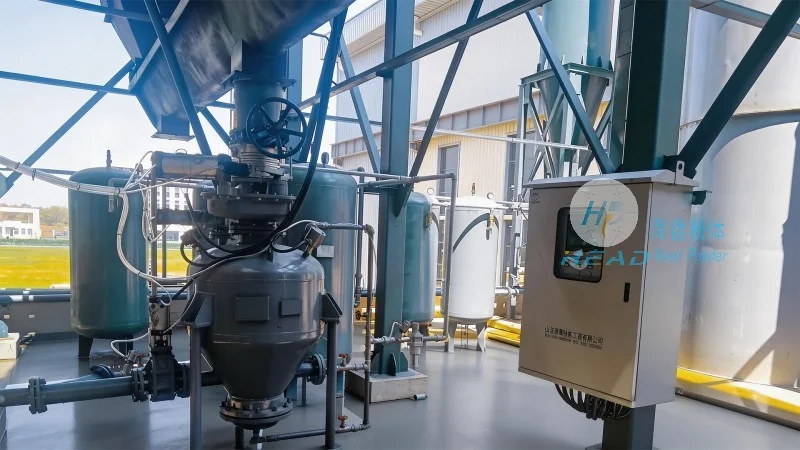
Industrial alkali material handling systems consist of several key components, each designed to address specific operational needs. These components include storage tanks or silos for bulk storage, pumping systems to transfer materials, conveying equipment such as screw conveyors or pneumatic systems, and control systems for monitoring and regulating flow. The design of these systems must consider factors such as the viscosity and density of the alkali materials, the required flow rates, and the environmental conditions of the facility. For example, in systems handling highly corrosive alkalis, the use of stainless steel or lined components is essential to prevent degradation and ensure long-term reliability. Furthermore, the integration of safety features, such as emergency shut-off valves, pressure relief devices, and leak detection sensors, is critical to mitigate risks associated with handling hazardous materials.
Advantages and Benefits of Advanced Alkali Handling Systems
Modern industrial alkali material handling systems offer several advantages that enhance operational efficiency and safety. These systems are designed to minimize human exposure to caustic substances by automating material transfer processes, reducing the risk of accidents and exposure-related health issues. Automation also improves process consistency and reduces the potential for human error, leading to more reliable production outcomes. Additionally, advanced systems often incorporate real-time monitoring and data analytics capabilities, enabling operators to track material flow, detect anomalies, and optimize system performance. This data-driven approach helps in proactive maintenance, reducing downtime and extending the lifespan of equipment. The use of energy-efficient designs and materials also contributes to lower operational costs and environmental impact, aligning with sustainability goals in industrial operations.
Conclusion and Future Trends
In conclusion, industrial alkali material handling systems are indispensable in industries that rely on caustic chemicals for their production processes. The principles underlying these systems focus on safety, efficiency, and durability, while operational scenarios vary widely based on the specific industry and application. As technology advances, future trends in alkali handling systems may include further automation, integration with Industry 4.0 technologies, and the use of more sustainable materials. Companies like Shandong HeadPowder Engineering Co., Ltd. continue to innovate in this field, providing tailored solutions that meet the evolving needs of industrial clients. By adhering to rigorous design and safety standards, these systems ensure the safe and efficient management of alkali materials, contributing to the overall success and sustainability of industrial operations.