

Principle and Working Scene Characteristics of Multi-Point Feeding Material Handling Equipment
Shandong HeadPowder Engineering Co., Ltd., often referred to as headpowder, is a leading enterprise in the field of material handling equipment manufacturing. HeadPowder is headquartered in Shandong, China, and has built a solid presence in the industry through its commitment to innovation, quality, and customer-centric solutions. The company specializes in the research, development, and production of advanced material handling systems, serving a wide array of industries including pharmaceuticals, food processing, chemicals, and mining. With a team of experienced engineers and technicians, HeadPowder continuously enhances its product line to meet evolving market demands. The company's mission is to provide reliable and efficient material handling solutions that improve operational efficiency and reduce costs for its clients. HeadPowder's products are known for their durability, precision, and ease of maintenance, making them a preferred choice for businesses seeking long-term partnerships.
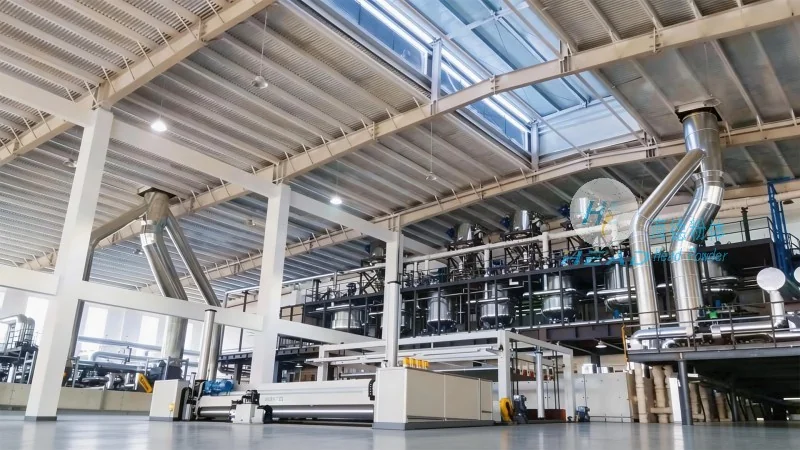
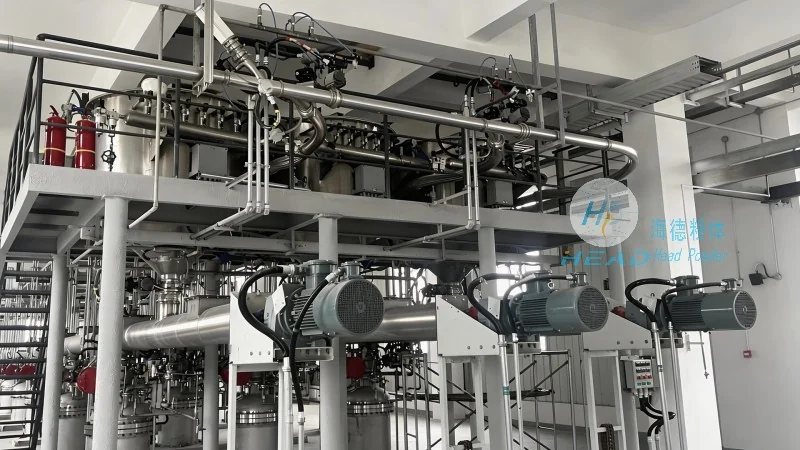
Principle of Multi-Point Feeding Material Handling Equipment
Multi-point feeding material handling equipment operates on the principle of simultaneous material input from multiple sources to a central processing or storage system. The system integrates several key components, including feeding hoppers, adjustable feeders, and conveyor mechanisms, to regulate the flow of bulk materials. The feeding hoppers are designed to collect materials from various points, such as storage silos or production lines, and feed them into the feeder. The feeder then controls the flow rate and direction of the material, ensuring a consistent and controlled delivery to the conveyor. The conveyor system transports the material to the desired destination, such as a processing unit or a storage area. Control technologies, such as sensors and programmable logic controllers (PLCs), are integrated to monitor and adjust the operation of the equipment in real-time. This ensures that the system can adapt to changes in material availability or processing requirements, maintaining optimal performance. The overall principle is to streamline material handling by eliminating bottlenecks and enhancing throughput, thereby improving the efficiency of industrial operations.
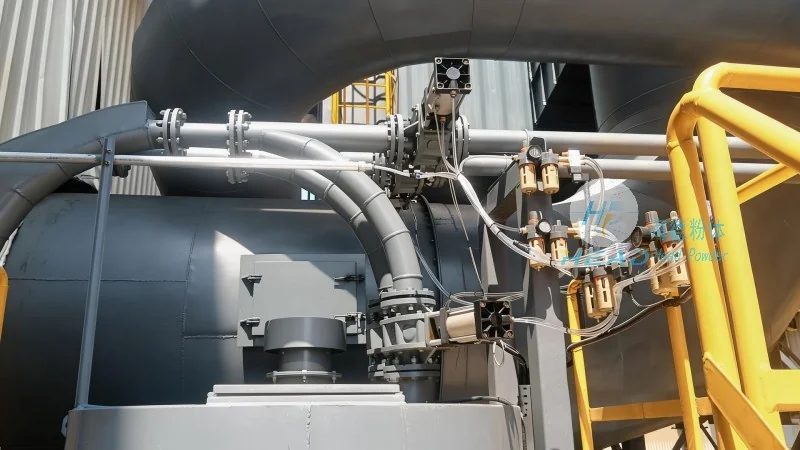
Working Scene Characteristics of Multi-Point Feeding Material Handling Equipment
The working scene characteristics of multi-point feeding material handling equipment are tailored to address the specific needs of diverse industrial environments. These systems are commonly employed in large-scale production facilities where material handling efficiency is critical. For example, in a pharmaceutical manufacturing plant, the equipment can feed raw materials from multiple storage silos into a mixing machine, ensuring a uniform and consistent supply of ingredients. In a food processing facility, it can transport various ingredients from different hoppers to a production line, supporting high-speed and continuous production. In chemical manufacturing, the system can handle hazardous materials from multiple sources, maintaining safety and efficiency while minimizing exposure risks. The key characteristics of these systems include high capacity, low maintenance, and adaptability to different material types. The multi-point feeding design allows for simultaneous feeding from multiple sources, which is particularly beneficial in scenarios where material availability is spread across different locations or where multiple production lines require consistent material supply. This design minimizes downtime and ensures a steady flow of materials, contributing to improved productivity and reduced operational costs. Additionally, the equipment is designed to be flexible, allowing for easy integration with existing production lines and systems.
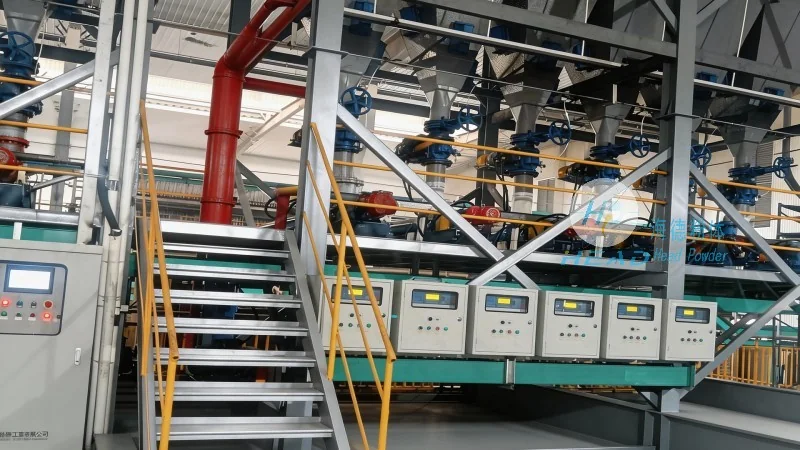
Typical Application Scenarios
Multi-point feeding material handling equipment is widely utilized in various industrial applications where bulk materials need to be transported from multiple feeding points to a central processing unit. One common application is in pharmaceutical manufacturing, where the equipment is used to feed raw materials from different storage silos into a mixing machine. This ensures that the mixing process receives a consistent and uniform supply of ingredients, which is crucial for maintaining product quality and batch consistency. In food processing, the system can transport ingredients such as flour, sugar, or spices from various hoppers to a production line, supporting high-speed and continuous production. The equipment is also used in chemical plants to handle hazardous materials from multiple sources, maintaining safety and efficiency while minimizing exposure risks. Another application is in mining and mineral processing, where the equipment transports raw ores from different extraction points to a processing facility. The adaptability of the equipment allows it to be customized to fit specific operational requirements, making it a versatile solution for diverse industrial needs. By optimizing material flow and reducing bottlenecks, multi-point feeding material handling equipment enhances overall operational efficiency and productivity in various industries.