

Principles and Application Scenarios of Intermittent Material Handling Equipment
Intermittent material handling equipment plays a crucial role in modern industrial processes, offering efficient and reliable solutions for transporting bulk materials in various settings. This equipment is designed to move materials in discrete, non-continuous movements, making it ideal for applications where precise control and flexibility are essential. The core principles of these systems revolve around mechanical design, control mechanisms, and operational efficiency, ensuring that they can handle a wide range of materials with precision and durability.
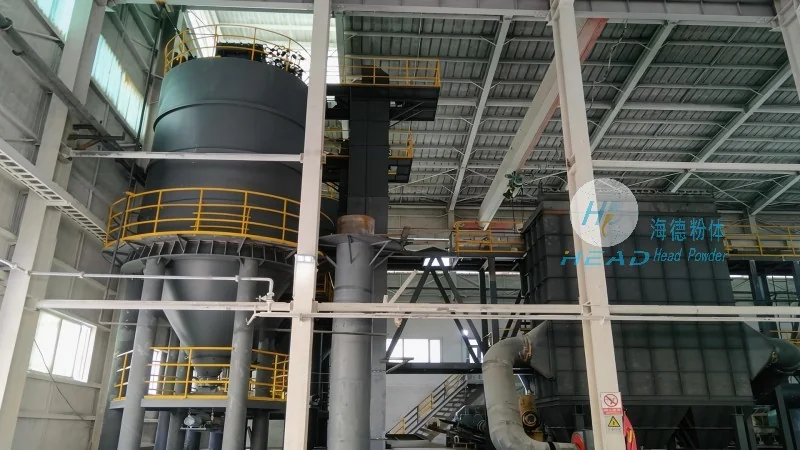
Understanding the Core Principles of Intermittent Material Handling
The fundamental principles of intermittent material handling equipment are centered on the ability to transport materials in controlled, intermittent motions. Unlike continuous conveyor systems, which operate at a constant speed, intermittent systems allow for stops and starts, enabling operators to manage material flow with greater precision. This is achieved through the use of mechanisms such as clutches, brakes, and timing devices that regulate the movement of the conveying components. The design of these systems typically involves a combination of rollers, chains, or belts, which are driven by electric motors or hydraulic systems to provide the necessary force for material movement. The control systems, often integrated with sensors and programmable logic controllers (PLCs), allow for real-time monitoring and adjustment of the equipment's performance, ensuring optimal operation under varying load conditions.
Key Components and Their Functions
Several critical components work together to ensure the smooth operation of intermittent material handling equipment. The drive system, which includes the motor and gearbox, provides the power needed to move the conveying elements. The chain or belt system, which may be equipped with rollers or idlers, supports the material and facilitates its movement. The control panel, often featuring buttons, switches, and indicator lights, allows operators to start, stop, and adjust the speed of the equipment. Additionally, safety features such as emergency stop buttons, safety guards, and overload protection mechanisms are integrated to prevent accidents and ensure compliance with safety regulations. The material handling equipment from Shandong HeadPowder Engineering Co., Ltd. incorporates these components with high-quality materials and precision engineering, ensuring long-term reliability and performance.
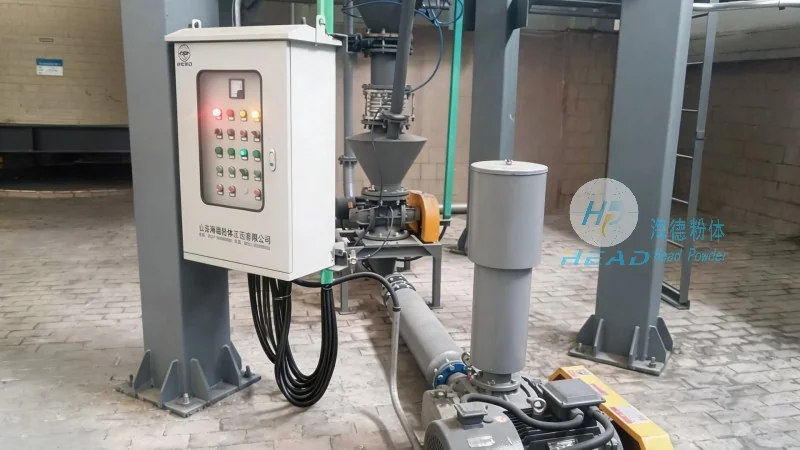
Common Application Scenarios and Operational Benefits
Intermittent material handling equipment is widely used in diverse industrial applications, including manufacturing, warehousing, and logistics. In manufacturing facilities, these systems are commonly employed for transporting raw materials to production lines, moving finished products to packaging areas, and handling scrap materials for recycling. The ability to stop and start the conveyor as needed allows for seamless integration with other production processes, reducing downtime and improving overall efficiency. In warehousing and distribution centers, intermittent conveyors are used for sorting, stacking, and transferring inventory between storage areas and shipping docks. The controlled movement of materials helps minimize damage and ensures accurate inventory management. The equipment from headpowder is particularly suited for these applications due to its adaptability and robust design, which can handle heavy loads and harsh operating conditions.
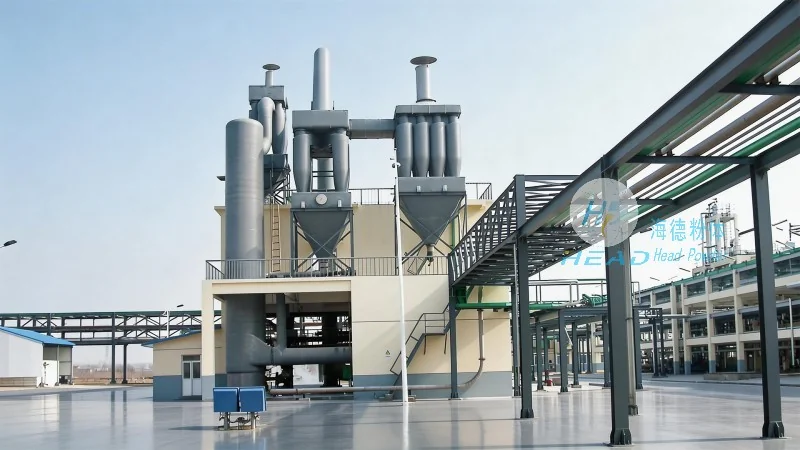
Advantages of Intermittent Material Handling Systems
Compared to continuous conveyor systems, intermittent material handling equipment offers several advantages that make it a preferred choice in many industries. One of the key benefits is the ability to handle a wide variety of materials, including bulk solids, powders, and even irregularly shaped items. The controlled movement allows for precise placement of materials, which is essential in applications such as assembly lines or packaging operations. Another advantage is the flexibility in terms of speed and direction control. Operators can adjust the speed of the conveyor to match the processing speed of the production line, and the ability to reverse or stop the system enables quick adjustments to accommodate changes in workflow. Additionally, intermittent systems are generally more energy-efficient than continuous systems, as they only consume power when the conveyor is in motion. This results in lower operational costs and reduced environmental impact. The equipment from Shandong HeadPowder Engineering Co., Ltd. leverages these advantages, providing users with a cost-effective and reliable solution for their material handling needs.
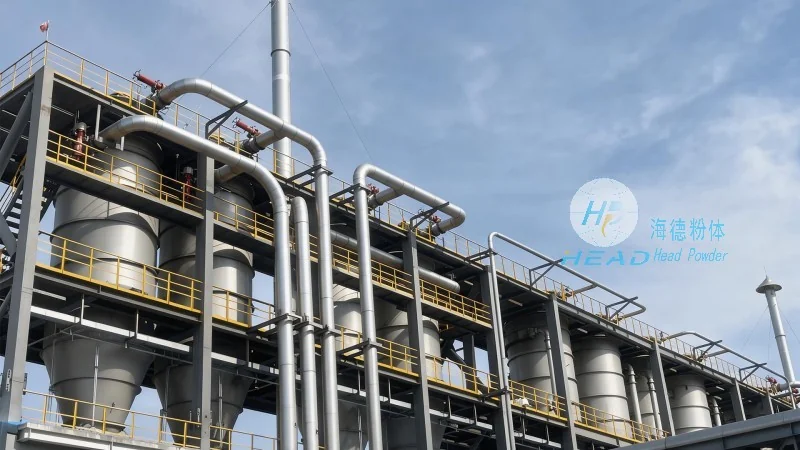
Customization and Integration Options
Shandong HeadPowder Engineering Co., Ltd. offers a range of customization options to meet the specific requirements of different applications. Customers can choose from various conveyor types, such as chain conveyors, belt conveyors, or roller conveyors, depending on the material being handled and the operational environment. The equipment can also be integrated with other systems, such as sorting machines, packaging lines, or automated storage and retrieval systems (AS/RS), to create a comprehensive material handling solution. The company provides technical support and engineering services to help customers design and implement customized solutions that optimize their production processes. This approach ensures that the intermittent material handling equipment is tailored to the unique needs of each client, maximizing efficiency and productivity.
Maintenance and Durability Considerations
Proper maintenance is essential to ensure the long-term performance and reliability of intermittent material handling equipment. Regular inspections of the drive system, conveyor components, and control systems help identify potential issues before they lead to equipment failure. Lubrication of moving parts, such as chains and bearings, is crucial to reduce friction and wear, extending the lifespan of the equipment. The use of high-quality materials, such as stainless steel or corrosion-resistant alloys, enhances durability and resistance to harsh operating conditions. The equipment from headpowder is designed with durability in mind, featuring robust construction and easy-to-access components for maintenance. This reduces downtime and maintenance costs, making it a cost-effective choice for industrial applications.