

Principle and Working Scene Characteristics of Lithium Oxalate Material Conveying Lines
HeadPowder, a leading engineering company based in Shandong, China, specializes in the design and implementation of advanced material handling systems tailored for the lithium industry. With a focus on precision and efficiency, their lithium oxalate material conveying lines represent a critical component in the production and processing of lithium compounds. This article explores the fundamental principles behind these systems and highlights the key characteristics of their operational environments.
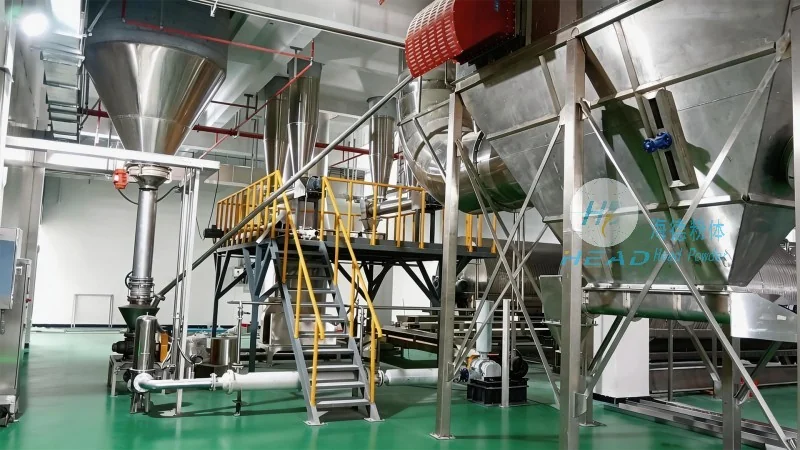
Overview of Lithium Oxalate Material Conveying Lines
Lithium oxalate is a vital intermediate in the production of lithium-ion batteries, and the efficiency of material transport directly impacts overall production throughput. The conveying lines designed by HeadPowder Engineering Co., Ltd. are engineered to handle the unique physical and chemical properties of lithium oxalate, ensuring safe and reliable movement from raw material storage to processing units. These systems integrate various components such as feeders, conveyors, and control mechanisms to form a seamless material flow pathway. The design emphasizes durability, as lithium oxalate can be abrasive and require robust equipment to prevent degradation or contamination.
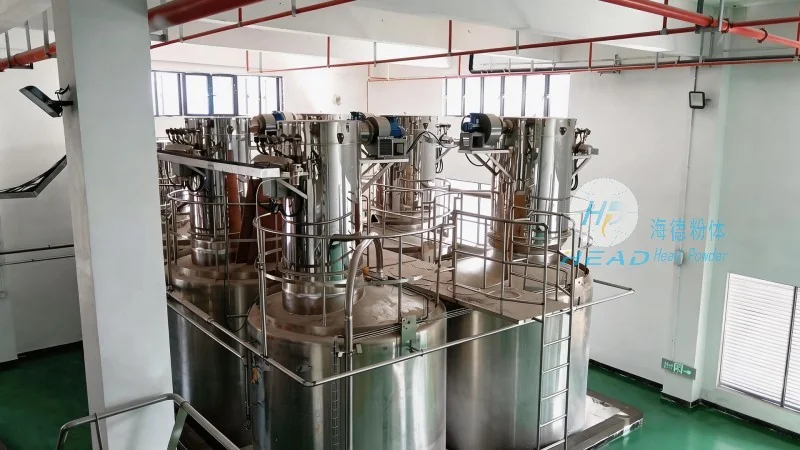
Core Principles of Material Conveying Systems
The operation of lithium oxalate material conveying lines is governed by several key principles that ensure optimal performance. First, the system must maintain a consistent flow rate to match production demands, which is achieved through variable speed drives and precise control of feed mechanisms. Second, the equipment must be capable of handling the material's hygroscopic nature—lithium oxalate readily absorbs moisture, which can affect its chemical stability and processing quality. Therefore, the conveying lines incorporate moisture-resistant materials and sealed components to minimize exposure to ambient conditions. Third, safety is paramount due to the potential for dust generation and the need to prevent dust explosions. The systems are equipped with explosion-proof motors, dust collection systems, and emergency shutdown protocols to mitigate risks. Additionally, the design prioritizes energy efficiency through the use of energy-saving motors and optimized conveyor speeds, reducing operational costs while maintaining performance.
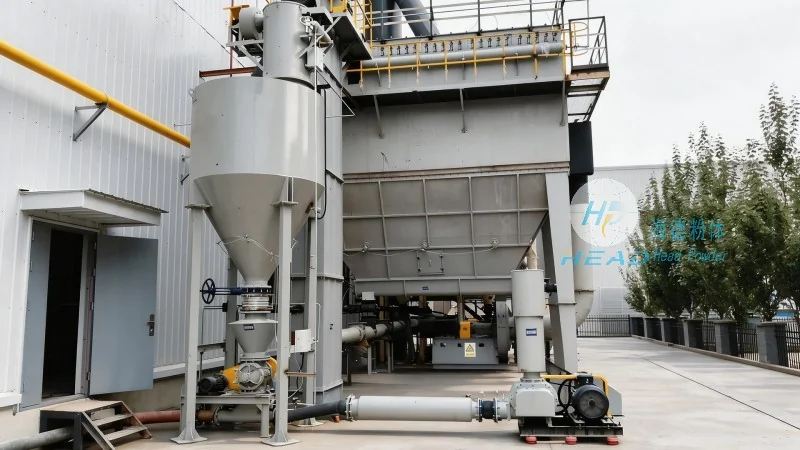
Working Scene Characteristics of Conveying Lines
The operational environments of lithium oxalate material conveying lines vary based on the specific production stage and facility layout. In industrial settings, these systems are typically integrated into larger manufacturing plants, where they connect raw material storage areas to reaction vessels or drying units. The working scenes often involve high-volume material handling, with conveyor belts or screw conveyors transporting bulk quantities of lithium oxalate. The environments may be characterized by controlled temperatures and humidity levels to maintain material quality, as well as strict adherence to safety regulations due to the hazardous nature of lithium compounds. For example, in battery cell manufacturing facilities, the conveying lines may operate in cleanroom environments, requiring dust-free and contamination-free systems to meet stringent quality standards. The working scenes also include considerations for space constraints, as factories often have limited floor space, necessitating compact and modular conveyor designs. Furthermore, the systems must be adaptable to changes in production scale, allowing for easy expansion or reconfiguration as production needs evolve. This flexibility is crucial for maintaining operational efficiency and reducing downtime during production adjustments.
Technical Specifications and Design Considerations
HeadPowder Engineering Co., Ltd. designs lithium oxalate material conveying lines with a focus on technical specifications that align with industry standards and customer requirements. The systems typically feature stainless steel construction for corrosion resistance, as lithium oxalate can be corrosive to certain materials. The conveyor components, such as belts or screws, are made from food-grade or industrial-grade materials to ensure compatibility with the material being handled. The control systems are equipped with advanced sensors and monitoring tools to track material flow, detect blockages, and adjust operational parameters in real-time. These features enhance process control and reduce the risk of material loss or equipment damage. The design also considers maintenance accessibility, with components that can be easily disassembled and serviced to minimize downtime. Regular maintenance is essential for the longevity of the conveying lines, and the systems are engineered to facilitate routine checks and repairs. Additionally, the company provides customization options to meet specific customer needs, such as varying conveyor lengths, widths, or speed capabilities. This adaptability ensures that the conveying lines can be tailored to the unique requirements of each production facility.
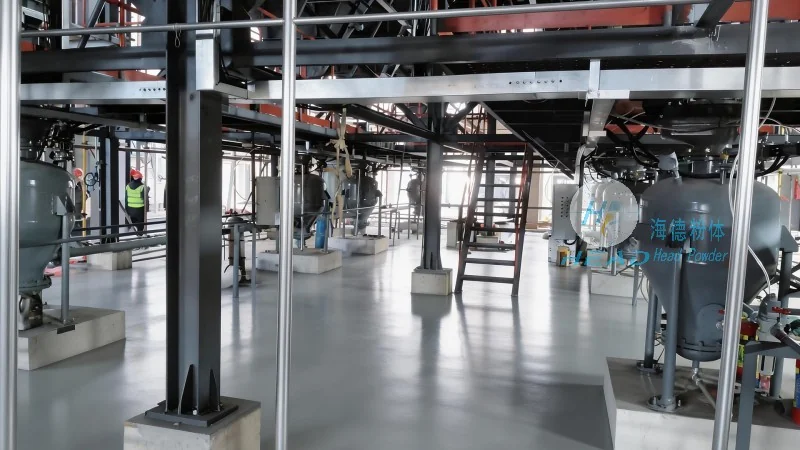
Application Scenarios and Industry Impact
Lithium oxalate material conveying lines are widely used in various stages of lithium battery production, from raw material processing to final product assembly. In the initial stages, the systems transport raw lithium oxalate from storage silos to mixing or reaction units, where it is combined with other chemicals to form the battery active material. The conveying lines in this phase must handle large volumes of material and maintain consistent quality, as any variations can affect the final battery performance. In subsequent stages, the systems may transport the processed lithium oxalate to drying or coating units, where it is further refined before being used in electrode production. The working scenes in these stages often involve high-speed processing and require precise control to ensure uniform material distribution. The impact of these conveying lines on the industry is significant, as they contribute to improved production efficiency and reduced material waste. By optimizing material flow, the systems help manufacturers achieve higher throughput and lower operational costs, which are critical factors in the competitive battery market. Furthermore, the reliability of the conveying lines ensures consistent product quality, which is essential for meeting customer demands and regulatory standards. The integration of advanced technology in these systems has also enabled manufacturers to scale their operations and meet growing market demands for lithium-ion batteries.