

Principle and Working Scene Characteristics of Sodium Nitrate Material Conveying Lines
Shandong HeadPowder Engineering Co., Ltd. specializes in providing advanced material handling solutions, including the design and implementation of sodium nitrate conveying lines. These systems are engineered to efficiently transport sodium nitrate, a critical industrial chemical, across various operational environments. The following sections detail the fundamental principles behind these conveying lines and the key characteristics that define their performance in real-world applications.
The Principle of Sodium Nitrate Material Conveying Lines
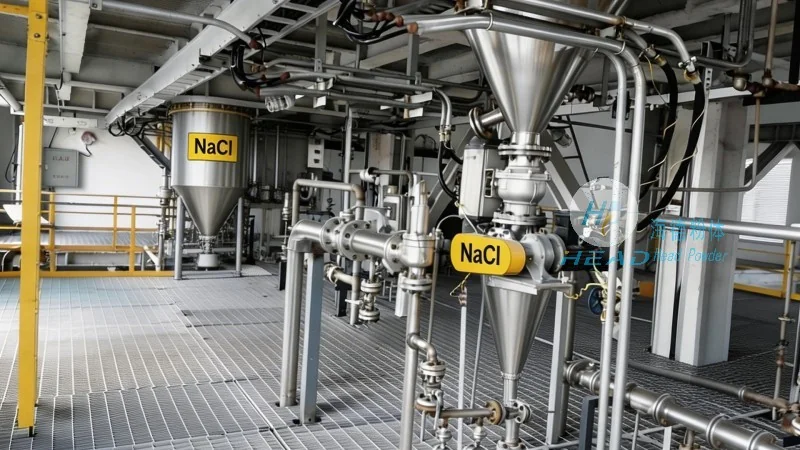
The core principle of sodium nitrate material conveying lines is to utilize mechanical or pneumatic systems to move bulk sodium nitrate from a source to a destination. These systems typically consist of components such as feeders, conveyors (e.g., belt conveyors, screw conveyors, or pneumatic conveyors), and control mechanisms. The design of the conveying line is tailored to the physical properties of sodium nitrate, such as its granular or powder form, flowability, and potential reactivity. For instance, belt conveyors are commonly used for horizontal or slight incline transport due to their ability to handle large volumes with minimal friction, while screw conveyors are effective for vertical or inclined transport, ensuring consistent material movement without clogging. Pneumatic conveyors, on the other hand, use air pressure to transport sodium nitrate in a closed system, which is particularly advantageous for handling fine powders or when dust control is a priority. The selection of the conveying method depends on factors like the distance to be covered, the required throughput, and the environmental conditions of the operation site.
Working Scene Characteristics of Sodium Nitrate Conveying Lines
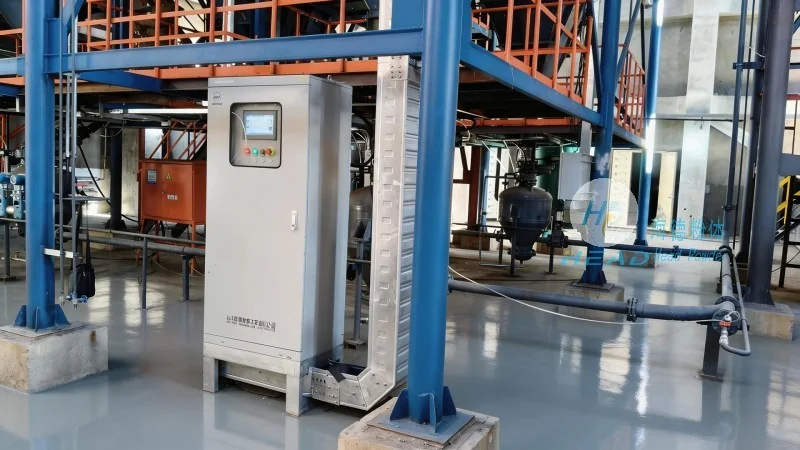
The working scene characteristics of sodium nitrate conveying lines are influenced by several key factors that impact their efficiency and reliability. One of the primary characteristics is the operational environment, which can range from indoor industrial facilities to outdoor storage and processing areas. Indoor applications often involve enclosed conveying systems to minimize dust exposure and ensure compliance with safety regulations, while outdoor setups may include weather-resistant components to withstand temperature fluctuations and moisture. Another critical characteristic is the throughput capacity, which refers to the volume of sodium nitrate that the system can transport per unit time. This is determined by the conveyor speed, the cross-sectional area of the conveyor, and the density of the material. For example, a high-capacity belt conveyor might handle several tons per hour, making it suitable for large-scale production lines, whereas a smaller screw conveyor could be used for batch processing or laboratory-scale operations. The material's properties also play a role in the working scene; sodium nitrate is hygroscopic, meaning it can absorb moisture from the air, which may affect its flowability and require additional measures like drying or anti-static components in the conveying system. Furthermore, the system's integration with other industrial processes is a key characteristic. Many sodium nitrate conveying lines are part of larger production workflows, connecting storage silos, processing units, and packaging facilities. This integration ensures a seamless transfer of material, reducing downtime and improving overall operational efficiency. The control systems used in these lines, such as PLC (Programmable Logic Controller) or SCADA (Supervisory Control and Data Acquisition) systems, allow for real-time monitoring and adjustment of the conveying parameters, enhancing the system's adaptability to changing production demands. Safety is another essential characteristic, as sodium nitrate, while generally stable, can pose risks if not handled properly. Conveying systems are equipped with safety features like emergency stop buttons, overload protection, and dust suppression mechanisms to mitigate potential hazards and ensure compliance with occupational health and safety standards.
Application Examples and Operational Considerations
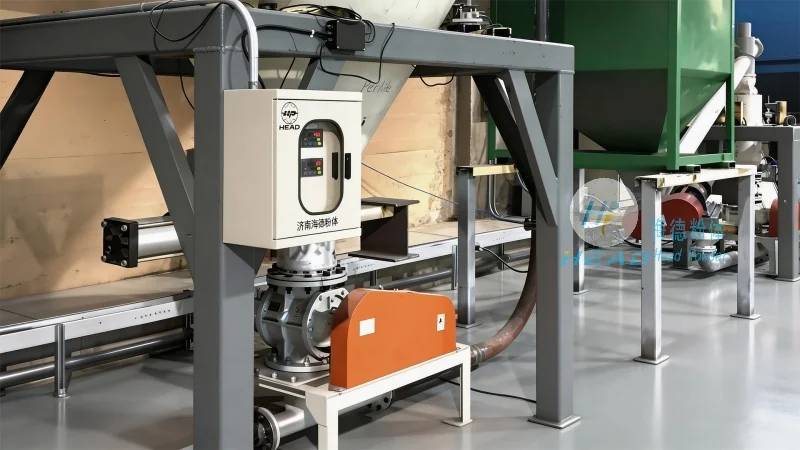
Real-world applications of sodium nitrate conveying lines vary across different industries, including agriculture, chemical manufacturing, and food processing. In agricultural settings, these systems are used to transport sodium nitrate as a fertilizer, from storage silos to application equipment. The design of the conveying line in such cases prioritizes durability and resistance to corrosion, as sodium nitrate can be stored in outdoor conditions and may come into contact with moisture. In chemical manufacturing, the conveying lines are integrated into production lines that involve the processing of sodium nitrate into other chemical products, such as nitric acid or ammonium nitrate. Here, the focus is on maintaining the purity of the material and preventing contamination, which may require the use of stainless steel components and closed-loop systems. Operational considerations for these lines include regular maintenance to prevent wear and tear, cleaning to remove accumulated material, and monitoring of the material's flow to detect blockages or variations in throughput. The choice of conveyor type also depends on the specific application; for example, a pneumatic conveyor might be preferred in food processing to avoid direct contact with the material, while a belt conveyor could be used in chemical manufacturing due to its ability to handle abrasive materials. Additionally, the scalability of the conveying line is an important factor, as production needs may change over time. Modular designs allow for easy expansion or reconfiguration of the system, ensuring that it can adapt to increased demand without significant modifications. In summary, sodium nitrate material conveying lines are sophisticated systems that combine engineering principles with practical considerations to achieve efficient and reliable material transport. By understanding the principles and characteristics of these systems, industries can optimize their operations and ensure the safe handling of sodium nitrate in various working environments.