

Introduction to Clay Sand Pneumatic Conveying Equipment and Its Structural Principles
Clay sand pneumatic conveying equipment is a critical component in industrial material handling systems, designed to efficiently transport clay sand and other similar bulk materials through an air-driven process. This equipment plays a vital role in various industries, including foundries, construction, and mining, where the reliable and safe movement of clay sand is essential for operational efficiency and product quality.
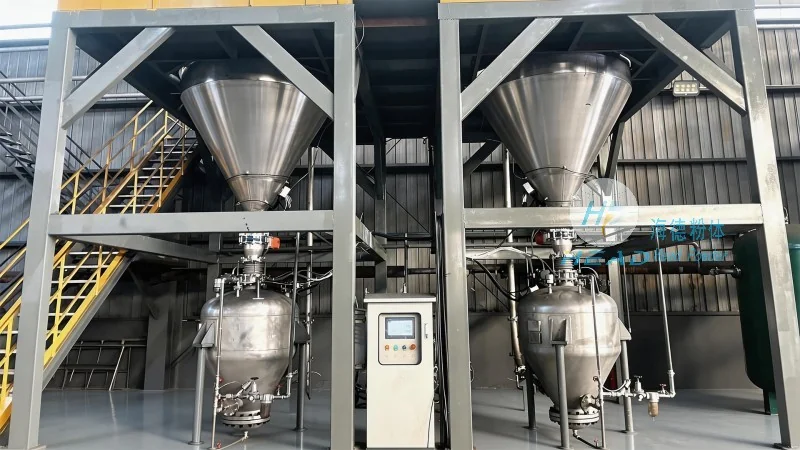
Overview of Clay Sand Pneumatic Conveying Equipment
Clay sand pneumatic conveying systems utilize the principle of air pressure to move materials from a source to a destination without the need for mechanical components like belts or buckets. This method offers several advantages, such as reduced maintenance, lower energy consumption, and the ability to transport materials in a dust-free environment. The equipment typically consists of a hopper, a conveying line, and a receiver, all working in tandem to ensure smooth material flow.
Structural Components and Their Functions
The core components of a clay sand pneumatic conveying system include the material hopper, which serves as the storage and feeding unit. The hopper is equipped with a feeder mechanism, often a rotary valve or a screw feeder, that controls the flow of clay sand into the conveying line. The conveying line itself is a flexible or rigid tube that carries the material and air mixture. At the receiving end, a receiver or silo collects the transported clay sand, and a dust collection system may be integrated to maintain air quality and prevent contamination.
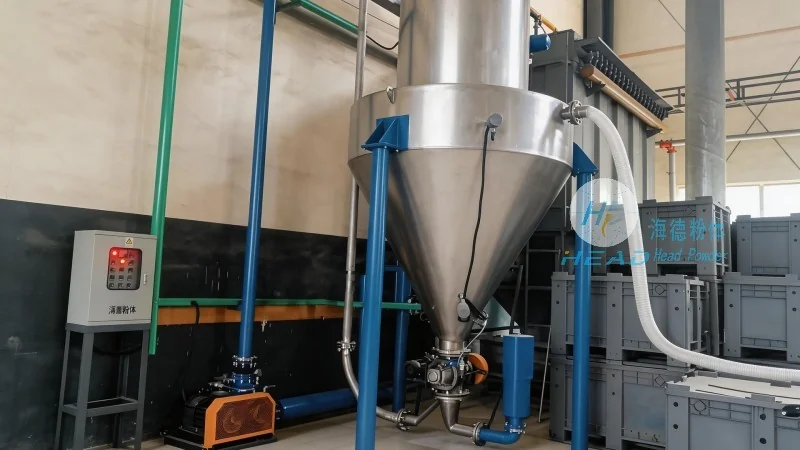
Working Principle of the Equipment
The operation of clay sand pneumatic conveying equipment is based on the creation of a pressure differential between the hopper and the receiver. By introducing compressed air into the conveying line, the air pressure forces the clay sand particles to move along with the air stream. The air velocity within the line must be sufficient to overcome the gravitational force and frictional resistance of the material, ensuring that the sand is conveyed without clogging or degradation. The system may operate in either positive pressure or negative pressure modes, depending on the specific application and material characteristics.
Key Features and Advantages
Clay sand pneumatic conveying equipment offers several key features that make it an attractive choice for industrial applications. These include high efficiency in material transport, minimal space requirements compared to traditional methods, and the ability to handle materials with varying moisture content and particle sizes. The equipment is also designed for easy maintenance and cleaning, which helps to reduce downtime and operational costs. Additionally, the enclosed system prevents dust emissions, contributing to a safer and more environmentally friendly working environment.
Applications in Industrial Settings
Clay sand pneumatic conveying systems are widely used in various industrial settings where the handling of bulk materials is required. In foundries, for example, they are used to transport clay sand for mold making, ensuring consistent material quality and reducing the risk of contamination. In construction, the equipment is employed to move clay sand for concrete production and other building materials. The mining industry also utilizes these systems to transport clay sand from extraction sites to processing facilities. The versatility of the equipment makes it suitable for a wide range of applications, from small-scale operations to large industrial plants.
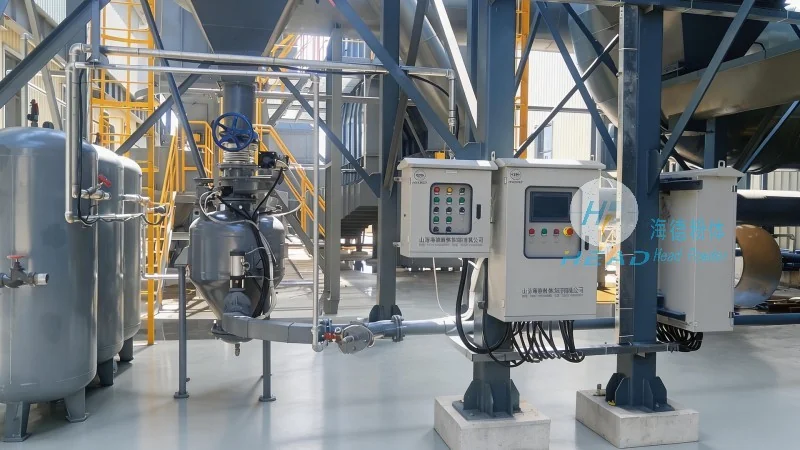
Maintenance and Operational Considerations
Proper maintenance is crucial to ensure the optimal performance and longevity of clay sand pneumatic conveying equipment. Regular inspection of the hopper and feeder mechanisms is necessary to prevent material buildup and blockages. The conveying line should be checked for any signs of wear or damage, and the air filtration system should be maintained to prevent dust accumulation. Operational considerations include monitoring air pressure and flow rates to ensure that the system is running efficiently. Proper training of operators is also essential to handle any issues that may arise during operation, such as clogs or pressure fluctuations.
Conclusion
Clay sand pneumatic conveying equipment is a sophisticated and efficient solution for the transportation of bulk materials. Its structural design and working principles make it a reliable choice for various industrial applications. By understanding the components and operational aspects of this equipment, users can maximize its performance and ensure safe and effective material handling. The equipment's advantages, including reduced maintenance and improved environmental control, make it a valuable asset in modern industrial operations.