

Introduction to Equipment and Structural Principles of Positive Pressure Pneumatic Conveying Systems
Positive pressure pneumatic conveying systems represent a sophisticated technology used in material handling and processing industries. These systems are designed to transport bulk materials through a pipeline network using pressurized air or gas. The equipment involved in such systems is engineered to ensure efficient, reliable, and safe material transfer, making them essential for various industrial applications. This overview will provide a detailed introduction to the key equipment components and the underlying structural principles that govern the operation of positive pressure pneumatic conveying systems.
Key Equipment Components of Positive Pressure Pneumatic Conveying Systems
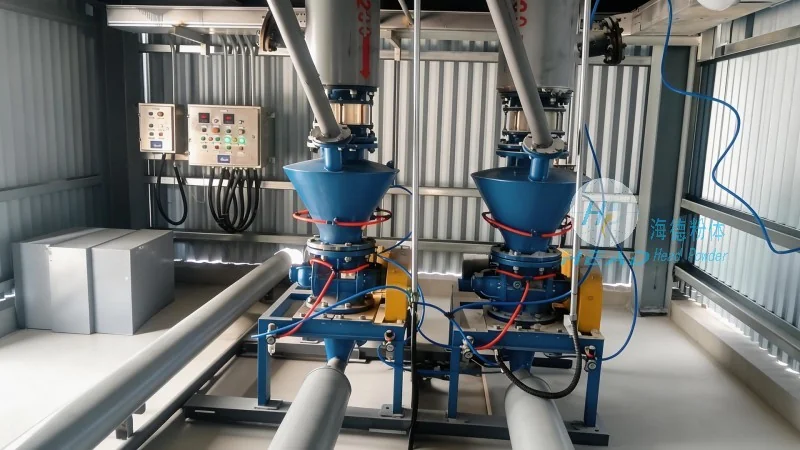
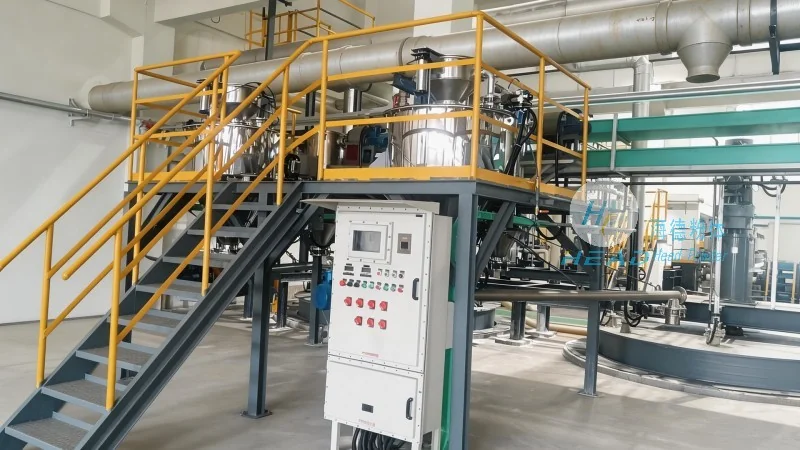
The positive pressure pneumatic conveying system consists of several critical components that work in concert to achieve material transport. The primary equipment includes a positive pressure blower or air compressor, which generates the necessary pressure to move materials through the system. This blower is typically a centrifugal or positive displacement type, capable of delivering the required airflow and pressure. Additionally, a feed hopper or material inlet is used to introduce bulk materials into the system. The hopper is equipped with a feeder, such as a rotary valve or screw feeder, which controls the flow rate of the material into the pipeline. A conveying pipeline forms the main transport route, often made of stainless steel or other corrosion-resistant materials to accommodate various material types. The pipeline may include bends, elbows, or expansion joints to navigate the system layout. At the discharge end, a receiver or silo is used to collect the conveyed material. This receiver is often equipped with a discharge valve or outlet to control the release of the material. Finally, a filter or dust collector is integrated to capture any fine particles or dust generated during the conveying process, ensuring environmental compliance and system cleanliness.
Structural Principles and Operational Mechanism
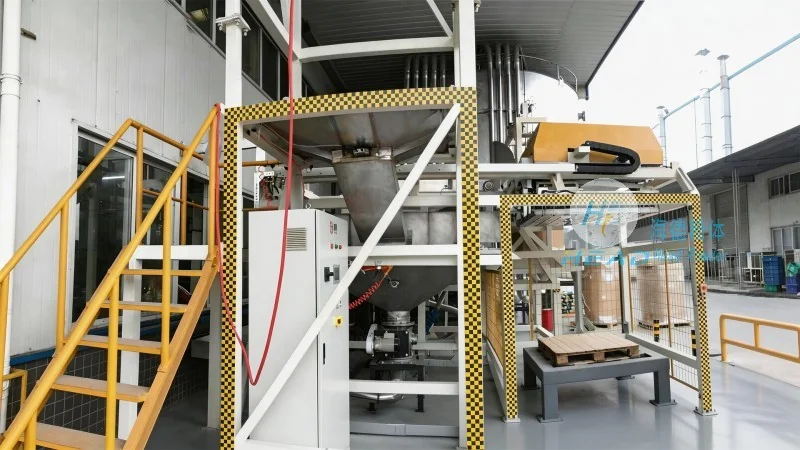
The structural principles of positive pressure pneumatic conveying systems are based on the fundamental physics of fluid dynamics and material transport. The core principle is the use of pressurized air to create a flow of material within a closed pipeline. When the positive pressure blower operates, it forces air into the conveying pipeline at a high velocity. The material is introduced into the pipeline through the feed hopper and feeder, and the air flow entrains the particles, carrying them along the pipeline. The velocity of the air must be sufficient to overcome the gravitational forces acting on the particles and to maintain a stable suspension of the material. The system operates under positive pressure, meaning the pressure inside the pipeline is higher than the ambient pressure, which prevents air leakage and ensures consistent material transport. The design of the system, including the size of the blower, the diameter of the pipeline, and the flow rate of the material, is critical to achieving optimal performance. Proper sizing ensures that the air velocity is adequate to convey the material without causing excessive pressure drops or material degradation. The structural layout of the system, including the number and angle of bends, also affects the overall efficiency and reliability of the conveying process.
Advantages and Applications of Positive Pressure Pneumatic Conveying Systems
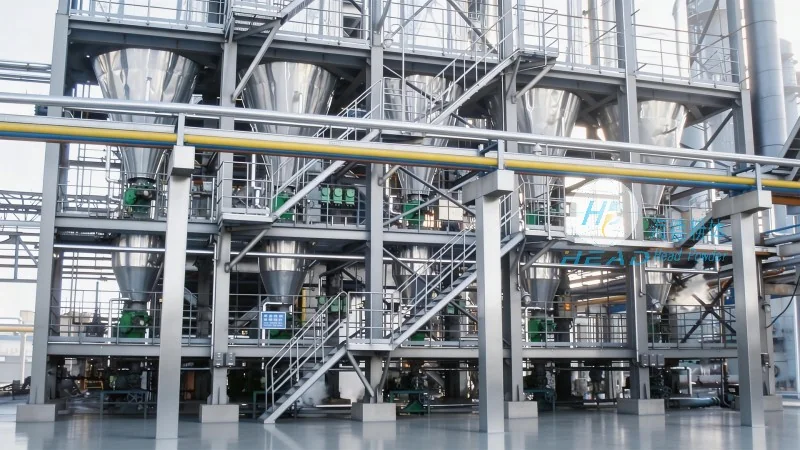
Positive pressure pneumatic conveying systems offer several advantages over other material handling methods. These systems are capable of transporting a wide range of materials, including powders, granules, and bulk solids, with minimal degradation. The enclosed pipeline design prevents contamination from external sources and maintains product integrity. Additionally, these systems are highly flexible, allowing for easy integration into existing industrial facilities and the ability to convey materials over long distances or through complex layouts. The positive pressure operation ensures that the system is self-contained and does not require external vacuum sources, simplifying maintenance and operation. Applications of positive pressure pneumatic conveying systems are widespread across various industries, including food processing, pharmaceuticals, chemicals, and mining. In the food industry, these systems are used to transport ingredients such as flour, sugar, and spices, ensuring hygienic and efficient handling. In the pharmaceutical sector, positive pressure conveying is employed to handle sensitive materials like powders and granules, maintaining strict contamination control. The chemical industry utilizes these systems for transporting bulk chemicals and raw materials, while the mining industry uses them to convey ore and other minerals from processing plants to storage facilities. The versatility and reliability of positive pressure pneumatic conveying systems make them a preferred choice for many industrial material handling needs.