

[Polypropylene Pellet Pneumatic Conveying System: Equipment Overview and Structural Principles]
For industries dealing with polypropylene pellets, efficient material handling is crucial for maintaining production flow and reducing operational costs. The polypropylene pellet pneumatic conveying system represents a sophisticated solution designed to transport these lightweight, free-flowing particles with precision and reliability. This system is engineered to handle the unique challenges associated with polypropylene, such as its tendency to generate static electricity and its susceptibility to degradation under high pressure or temperature conditions. By leveraging pneumatic technology, the system offers a clean, dust-free method of conveying material, which is particularly important in applications where contamination or environmental compliance is a concern.
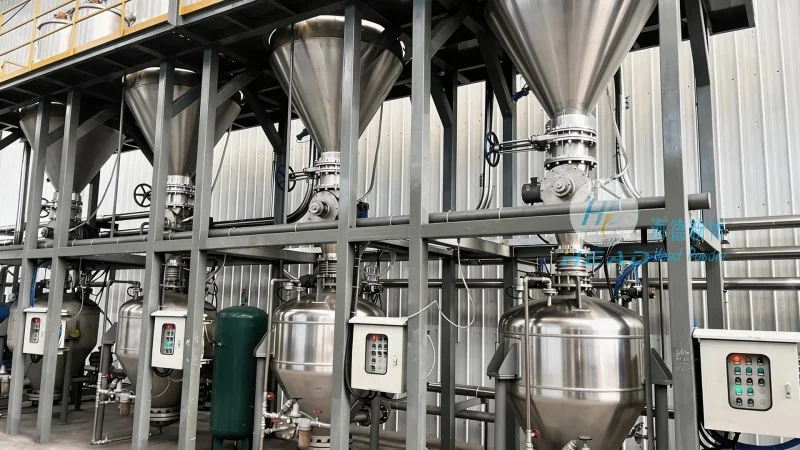
Key Equipment Components of the Pneumatic Conveying System
The polypropylene pellet pneumatic conveying system consists of several critical components that work in tandem to ensure smooth operation. The primary equipment includes a hopper for material storage, a rotary valve or feeder to control the flow of pellets into the system, a conveying line (often equipped with air ducts and possibly a pulse jet filter), and a receiver or discharge unit for delivering the material to its final destination. Each component is designed to address specific operational needs, from precise material metering to effective filtration and dust control. The hopper is typically equipped with a discharge gate or rotary valve to regulate the flow rate, preventing overloading or underloading of the system. The conveying line, made from materials resistant to polypropylene and air, is designed to withstand the pressures and temperatures associated with the transport process. The pulse jet filter, if included, is crucial for maintaining air quality and preventing dust accumulation in the system, which can affect performance and safety.
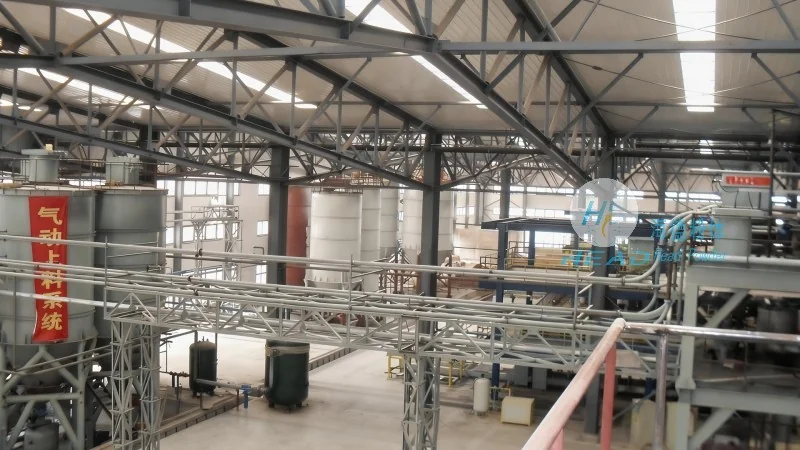
Structural Principles and Operational Mechanism
The core of the pneumatic conveying system lies in its ability to use air pressure to move polypropylene pellets through a closed pipeline. The system operates on either positive pressure or negative pressure (or a combination of both, known as mixed flow) depending on the specific application requirements. In positive pressure systems, air is forced through the conveying line, pushing the pellets along. This method is often used for short to medium distance conveying and is effective for materials that are less prone to degradation under pressure. Negative pressure systems, on the other hand, create a vacuum that draws the pellets into the line. This approach is suitable for longer distances and is commonly used when the material needs to be transported from a lower elevation to a higher one. The structural design of the system, including the diameter and length of the conveying line, the type of air nozzle or venturi, and the placement of filters, all contribute to the efficiency and effectiveness of the conveying process. For polypropylene pellets, the system is optimized to minimize particle breakage and prevent static buildup, ensuring that the material remains in its original form throughout the transport process. The use of appropriate air velocities and pressure differentials is critical to maintaining the integrity of the pellets and preventing clogging or blockages in the pipeline.
Advantages of the Polypropylene Pellet Pneumatic Conveying System
Compared to traditional mechanical conveying methods, the polypropylene pellet pneumatic conveying system offers several advantages that make it a preferred choice for many industries. One of the key benefits is the ability to transport material in a closed system, which reduces dust exposure and improves workplace safety. This is particularly important in environments where polypropylene pellets can generate static electricity, as the closed system helps to prevent electrostatic discharge that could lead to fires or explosions. Another advantage is the flexibility of the system, which can be easily adapted to different production layouts and material flow requirements. The system can be configured to handle varying flow rates and distances, making it suitable for both small-scale and large-scale operations. Additionally, the pneumatic conveying system is less prone to material degradation compared to mechanical systems, as it avoids the use of moving parts that can cause friction or impact on the pellets. This results in higher product quality and reduced waste, which is beneficial for both the manufacturer and the end user.
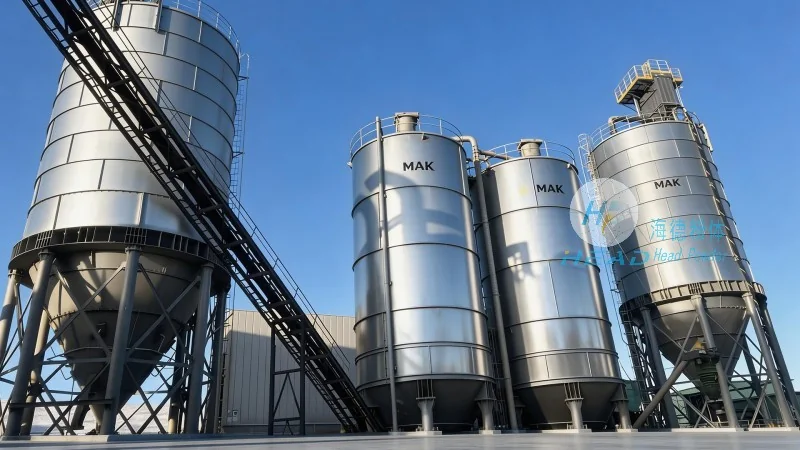
About Shandong HeadPowder Engineering Co., Ltd.
Shandong HeadPowder Engineering Co., Ltd., operating under the brand name headpowder, is a leading manufacturer and supplier of advanced material handling solutions. With a focus on innovative engineering and customer-centric design, the company specializes in developing customized pneumatic conveying systems tailored to the needs of various industries, including plastics, chemicals, food, and pharmaceuticals. Headpowder's expertise lies in understanding the unique properties of different materials and designing systems that maximize efficiency, safety, and durability. The company's facilities are located in Shandong, China, where it leverages local resources and industry expertise to deliver high-quality products and services to clients worldwide. Headpowder is committed to providing reliable and efficient solutions that meet the evolving needs of its customers, ensuring that their material handling processes are optimized for performance and sustainability.