

Introduction to PVA-Formaldehyde Pneumatic Conveying System Equipment: Structure and Working Princip
HeadPowder, a leading engineering company based in Shandong, China, specializes in the design, manufacturing, and installation of advanced pneumatic conveying systems. This article provides a comprehensive overview of the PVA-formaldehyde pneumatic conveying system, focusing on its equipment components, structural design, and operational principles. The system is engineered to efficiently transport PVA-formaldehyde, a key chemical used in various industrial applications, ensuring reliable and safe material handling.
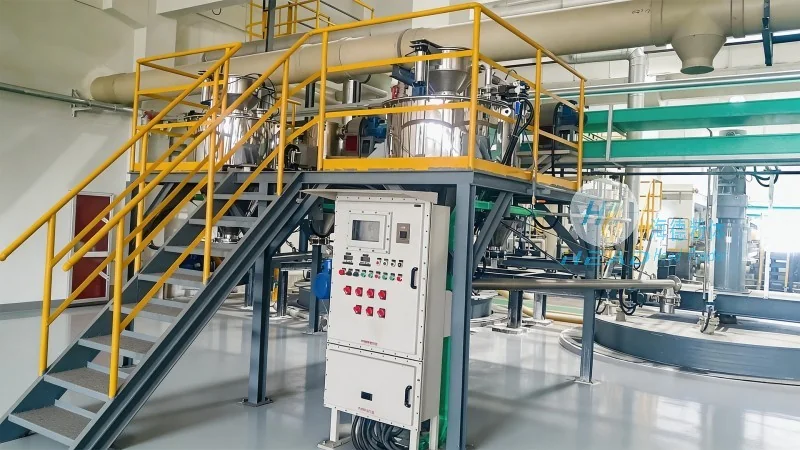
Key Equipment Components of the PVA-Formaldehyde Pneumatic Conveying System
The PVA-formaldehyde pneumatic conveying system comprises several critical components that work in tandem to achieve efficient material transport. The primary components include the material hopper, feeding mechanism, air supply unit, conveying pipes, and control system. Each component is designed to meet the specific requirements of handling PVA-formaldehyde, which is known for its adhesive properties and potential to clog conventional conveying systems.
The material hopper is a large, airtight container that stores the PVA-formaldehyde powder. It is equipped with a discharge valve that allows controlled release of the material into the feeding mechanism. The feeding mechanism, often a rotary valve or a star feeder, ensures a consistent and controlled flow of the powder into the conveying line, preventing blockages and maintaining system efficiency. The air supply unit, typically a high-pressure blower or a vacuum pump, generates the necessary airflow to move the material through the pipes. The conveying pipes are made of durable materials such as stainless steel or special plastic composites to resist corrosion and chemical reactions with PVA-formaldehyde. The control system monitors and regulates the airflow, pressure, and material flow, ensuring optimal performance and safety.
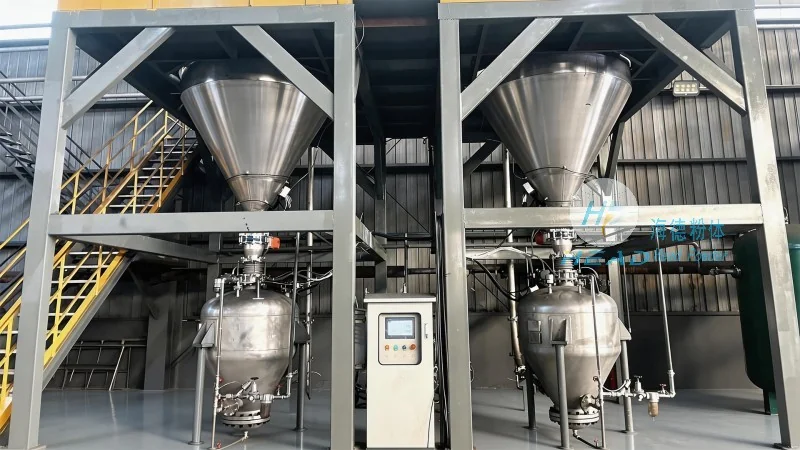
Structural Design and Material Selection for PVA-Formaldehyde Handling
The structural design of the PVA-formaldehyde pneumatic conveying system is tailored to address the unique challenges of handling this chemical. The system employs a combination of smooth, non-stick surfaces and regular cleaning mechanisms to prevent material buildup and clogging. The conveying pipes are often equipped with internal liners or special coatings that minimize friction and adhesion. The hopper and feeding equipment are designed with wide openings and sloped surfaces to facilitate easy discharge and prevent material bridging. The air supply unit is positioned to provide consistent pressure and airflow, with safety features such as pressure relief valves to prevent over-pressurization. The control panel is user-friendly, with clear indicators for system status, pressure levels, and material flow rates, allowing operators to monitor and adjust the system as needed.
Working Principles of the PVA-Formaldehyde Pneumatic Conveying System
The PVA-formaldehyde pneumatic conveying system operates on the principle of pneumatic transport, where the material is suspended and carried by a stream of air. The process begins with the material being fed from the hopper into the feeding mechanism. The air supply unit then generates a high-velocity airflow that enters the conveying pipe, creating a low-pressure zone that draws the material into the air stream. The material is then carried through the pipes to the destination point, such as a storage silo or a processing unit. The system can operate in either positive pressure or negative pressure modes, depending on the application requirements. Positive pressure systems use a blower to push the material forward, while negative pressure systems use a vacuum pump to pull the material. The choice of operating mode depends on factors such as the distance to be covered, the material characteristics, and the system layout.
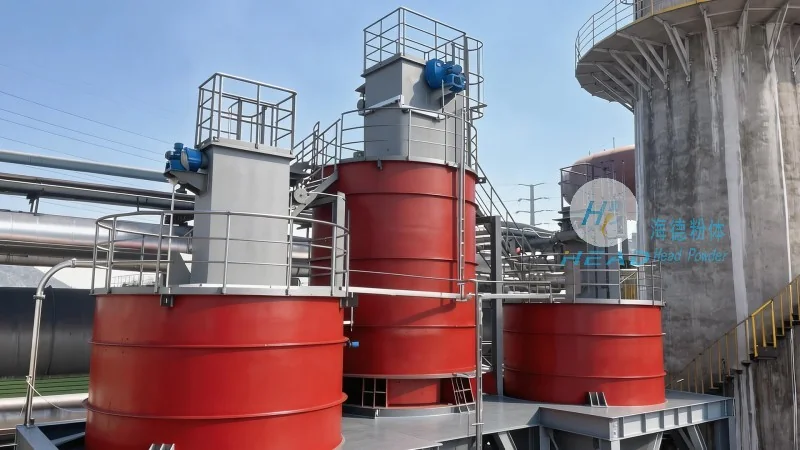
Advantages of the PVA-Formaldehyde Pneumatic Conveying System
The PVA-formaldehyde pneumatic conveying system offers several advantages over traditional material handling methods. It provides a dust-free and clean operation, as the material is contained within the system and does not come into contact with the environment. This reduces the risk of contamination and improves product quality. The system is also highly efficient, with minimal material loss and low energy consumption compared to other methods such as belt conveyors or bucket elevators. The compact design of the system allows for easy installation in limited spaces, making it suitable for various industrial settings. Additionally, the system is easy to maintain and clean, with regular maintenance procedures that ensure long-term reliability and performance.
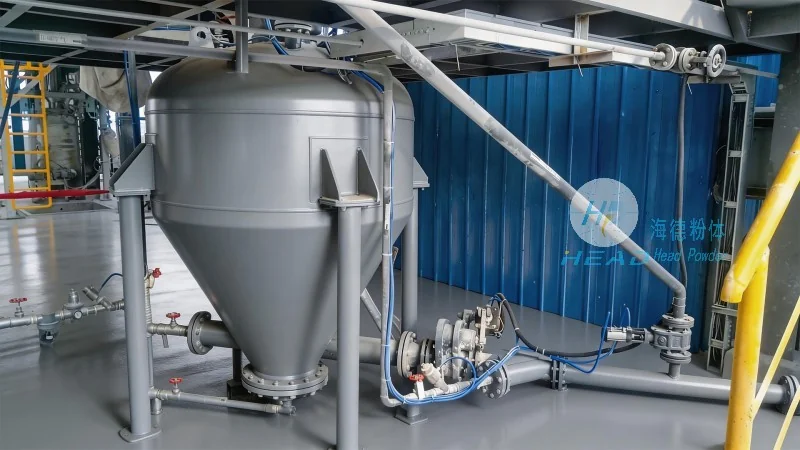
Applications and Industries Served by the PVA-Formaldehyde Pneumatic Conveying System
The PVA-formaldehyde pneumatic conveying system is widely used in various industries that require the handling of PVA-formaldehyde. These include the chemical industry, where it is used as a binder in adhesives and coatings, the textile industry, where it is used in the production of fibers and fabrics, and the paper industry, where it is used as a sizing agent. The system is also used in the pharmaceutical industry for the transport of PVA-formaldehyde-based products. The versatility of the system allows it to be adapted to different applications, making it a valuable asset for companies in these industries.
Conclusion and Company Information
HeadPowder Engineering Co., Ltd., based in Shandong, China, is a trusted provider of PVA-formaldehyde pneumatic conveying systems. The company's expertise in engineering and manufacturing ensures that the systems are designed to meet the specific needs of each client, providing reliable and efficient material handling solutions. With a focus on quality and customer satisfaction, HeadPowder has established itself as a leader in the industry, offering innovative and cost-effective solutions for PVA-formaldehyde transport. The PVA-formaldehyde pneumatic conveying system is an essential component for any company that handles this chemical, and HeadPowder's systems are designed to deliver the performance and reliability required for successful operations.