

Introduction to Caustic Soda Powder Conveying: Structure and Working Principle
This article provides a comprehensive overview of caustic soda powder conveying systems, focusing on their structural design and operational principles. Caustic soda, also known as sodium hydroxide, is a widely used chemical in various industrial processes, and efficient powder handling is crucial for maintaining safety, productivity, and environmental compliance. The following sections will delve into the key components, working mechanisms, and practical applications of these conveying systems.
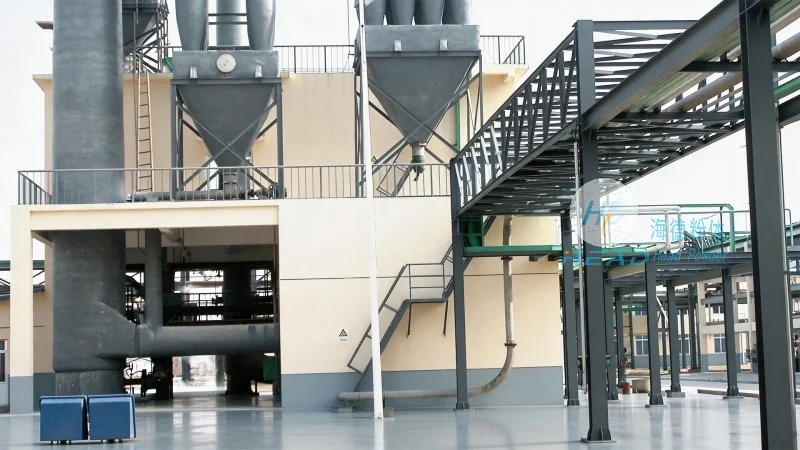
Company Overview
HeadPowder, a leading manufacturer in the field of powder handling technology, specializes in designing and manufacturing advanced conveying solutions for hazardous and bulk materials. With a strong commitment to innovation and quality, Shandong HeadPowder Engineering Co., Ltd. has established itself as a trusted partner for industries requiring reliable and efficient powder transport solutions. HeadPowder's expertise lies in developing customized systems that meet the specific needs of clients, ensuring optimal performance and safety in handling caustic soda and other similar materials.
Structural Components of the Conveying System
The caustic soda powder conveying system typically consists of several critical components that work in harmony to ensure smooth and safe operation. These components include:
- **Hopper and Feeder**: The system starts with a hopper designed to store and feed the caustic soda powder. The feeder, often a rotary or vibratory type, regulates the flow of material into the conveying line, preventing overloading and ensuring consistent feed rates.
- **Conveying Pipe**: The powder is transported through a sealed pipe system, which is usually made of corrosion-resistant materials such as stainless steel or special alloys to withstand the chemical properties of caustic soda. The pipe is equipped with appropriate fittings and elbows to direct the material flow while minimizing pressure loss and material degradation.
- **Drive Unit**: A motor-driven system provides the necessary power to move the powder through the pipe. This unit includes a gearbox, pulleys, or a direct-drive motor, depending on the system design, to ensure efficient and reliable operation.
- **Control System**: An automated control system monitors and regulates the conveying process. This includes sensors for level, flow, and pressure, as well as control panels that allow operators to adjust parameters and receive real-time feedback on system performance.
Working Principle of the System
The operation of the caustic soda powder conveying system follows a sequential process that ensures the safe and efficient transport of the material. The working principle can be broken down into the following steps:
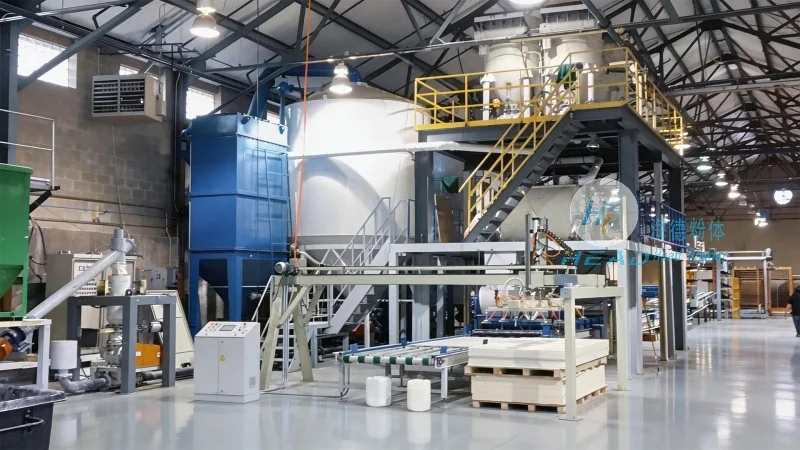
- **Material Loading**: The caustic soda powder is loaded into the hopper from a storage silo or container. The feeder then starts to discharge the material at a controlled rate.
- **Air or Gas Injection**: In many pneumatic conveying systems, air or a carrier gas is introduced into the pipe to create a slurry or suspension of the powder. This helps to move the material through the pipe by reducing friction and preventing clogging.
- **Transportation**: The mixture of powder and gas travels through the conveying pipe under pressure or vacuum, depending on the system design. The drive unit provides the necessary force to move the material along the pipe's length.
- **Discharge and Dosing**: At the destination point, the material is discharged into a receiving vessel or directly into a processing unit. The control system ensures that the discharge is controlled and precise, allowing for accurate dosing in industrial applications.
Key Features and Benefits
The caustic soda powder conveying system developed by HeadPowder offers several key features and benefits that make it an ideal solution for industrial applications:
- **Corrosion Resistance**: The use of high-quality materials, such as stainless steel, ensures that the system can withstand the corrosive nature of caustic soda, extending its service life and reducing maintenance costs.
- **Sealed and Safe Operation**: The sealed pipe system prevents dust emissions and exposure to the material, enhancing workplace safety and environmental compliance.
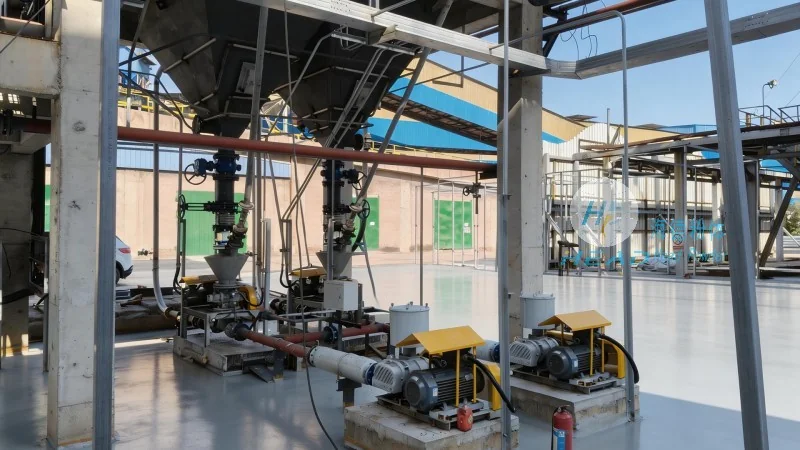
- **Efficient and Reliable Transport**: The system is designed to handle high volumes of caustic soda powder with minimal pressure loss and low material degradation, ensuring consistent product quality.
- **Customizable Solutions**: HeadPowder provides tailored solutions to meet the specific requirements of different industries, including adjustments for material characteristics, flow rates, and system size.
Application Scenarios and Industry Use Cases
The caustic soda powder conveying system is widely used in various industries where caustic soda is a critical component. Some common applications include:
- **Chemical Manufacturing**: In the production of detergents, soaps, and other chemical products, caustic soda is used as a raw material. The conveying system ensures that it is transported safely and efficiently from storage to processing units.
- **Pulp and Paper Industry**: Caustic soda is used in the pulping process to break down wood fibers. The system helps in transporting the powder to the pulping reactors, maintaining consistent process conditions.
- **Water Treatment**: In water treatment facilities, caustic soda is used for pH adjustment and chemical precipitation. The conveying system ensures that the material is delivered to the treatment tanks accurately and reliably.
- **Food and Beverage Industry**: In some food processing applications, caustic soda is used for cleaning and processing. The system provides a safe and controlled method for handling the powder in these environments.