

[Blast Furnace Sand Pneumatic Conveying: Efficient Air Flow for Bulk Powder Transport]
Blast furnace sand, a critical raw material in the steelmaking process, requires reliable and efficient transportation methods to ensure smooth production operations. Pneumatic conveying technology offers a solution by utilizing air flow to move bulk powder materials like calcined sand with precision and control. This article explores the principles, benefits, and practical applications of pneumatic conveying systems specifically designed for blast furnace sand, highlighting how advanced engineering from Shandong HeadPowder Engineering Co., Ltd. (headpowder) enhances material handling efficiency.
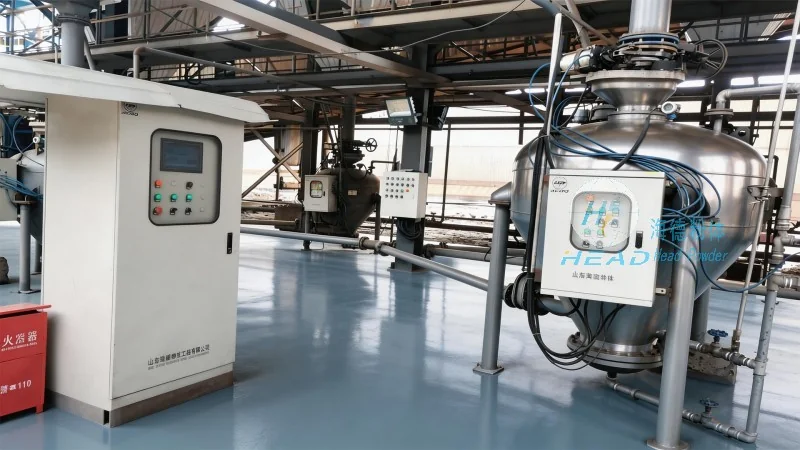
Understanding Pneumatic Conveying for Blast Furnace Sand
Pneumatic conveying, also known as air conveying, is a method that uses pressurized or suction air to transport dry bulk materials through pipelines. For blast furnace sand, which is typically fine and abrasive, selecting the right conveying system is crucial to prevent material degradation and equipment wear. The process involves feeding the sand into a hopper, where it is mixed with air under controlled pressure, and then transported through a network of pipes to the destination point. This technology eliminates the need for traditional mechanical conveyors, such as belt or screw conveyors, which can be prone to blockages and maintenance issues with abrasive materials.
Key Benefits of Pneumatic Conveying Systems
Implementing pneumatic conveying for blast furnace sand offers several advantages that improve overall operational efficiency. First, it reduces material handling costs by minimizing labor and equipment requirements. Unlike mechanical systems that require regular cleaning and maintenance, pneumatic conveyors can handle abrasive materials without significant wear, extending the lifespan of components. Second, the system provides better control over material flow, allowing for precise dosing and delivery to downstream processes. This is particularly important in steel production, where consistent sand quality is essential for maintaining furnace performance. Third, pneumatic conveying systems are more flexible in terms of layout, as they can be easily reconfigured to accommodate changes in production lines or facility expansions. The ability to transport materials over long distances without intermediate storage points also streamlines the workflow and reduces the risk of material contamination.
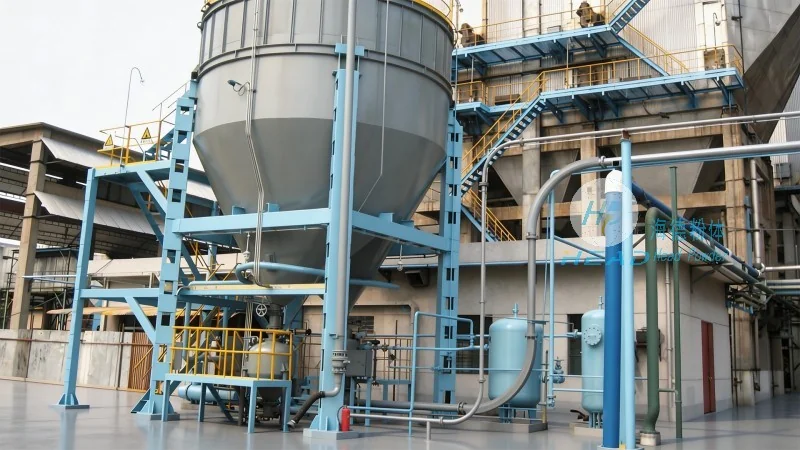
Advanced Solutions from headpowder
Shandong HeadPowder Engineering Co., Ltd., a leading provider of bulk material handling solutions, specializes in designing and manufacturing customized pneumatic conveying systems tailored to the unique needs of blast furnace sand applications. With decades of experience in the industry, headpowder leverages cutting-edge technology to develop systems that optimize air flow, minimize energy consumption, and ensure consistent material transport. The company’s engineers work closely with clients to assess their specific requirements, including material characteristics, conveying distances, and production volumes, to design a system that delivers maximum efficiency and reliability.
Components and Design Considerations
The effectiveness of a pneumatic conveying system for blast furnace sand depends on several key components and design choices. The hopper and feeder are critical for ensuring a consistent feed rate, as uneven material flow can lead to system inefficiencies or blockages. For abrasive materials like blast furnace sand, high-quality wear-resistant materials are used for these components to extend their service life. The pipeline system must be carefully designed to minimize pressure drop and ensure smooth material movement. This often involves using larger diameter pipes for longer conveying distances and incorporating bends or elbows with smooth transitions to prevent material buildup. The air compressor or vacuum system provides the necessary pressure or suction to move the material through the pipeline, and selecting the right type of compressor (e.g., rotary or reciprocating) is essential for optimal performance and energy efficiency.
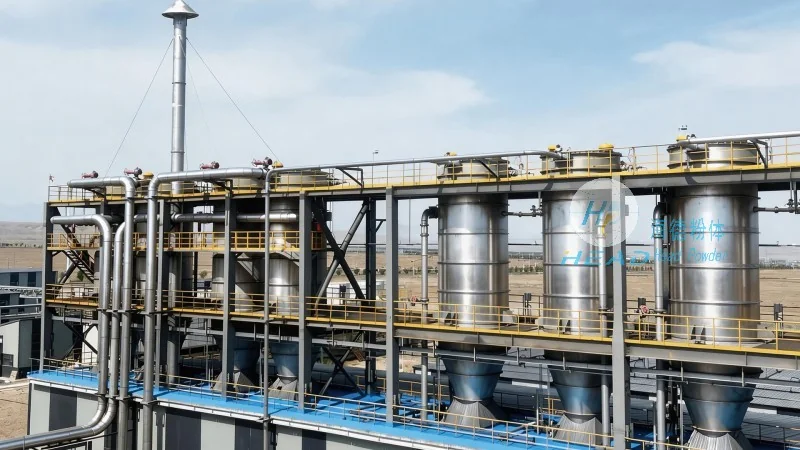
Applications and Real-World Examples
Pneumatic conveying systems for blast furnace sand are widely used in steel mills and foundries to transport sand from storage silos to the blast furnace or other processing units. In these applications, the system must handle large volumes of material while maintaining high levels of accuracy and reliability. For example, a steel plant in Shandong, China, implemented a headpowder-designed pneumatic conveying system to replace an outdated mechanical conveyor. The new system reduced material handling time by 30% and minimized equipment downtime by 50%, resulting in significant cost savings and improved production efficiency. Another application involves the use of pneumatic conveying for transporting calcined sand from a storage facility to a casting machine, where precise dosing is required to maintain the quality of the final product.
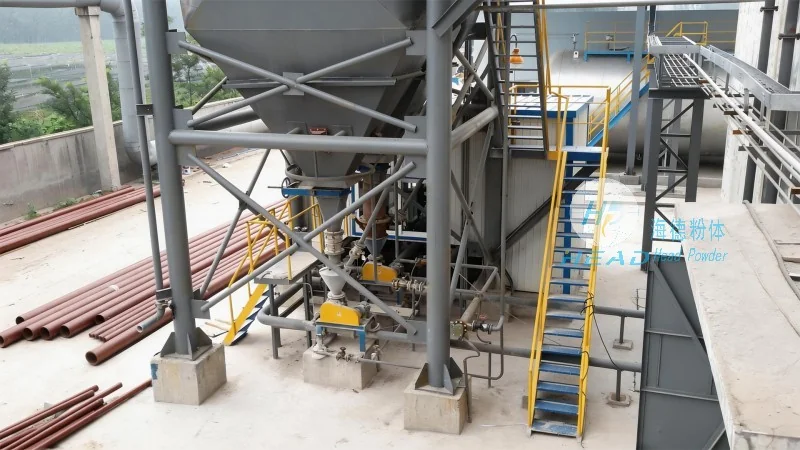
Maintenance and Operational Tips
To ensure the long-term performance of a pneumatic conveying system for blast furnace sand, regular maintenance is essential. This includes inspecting and cleaning the hopper and feeder to prevent material buildup, checking the condition of wear-resistant components, and monitoring the air compressor for any signs of wear or inefficiency. Proper operation of the system, such as maintaining consistent air pressure and feed rates, also contributes to its longevity. Training operators on the proper use and maintenance of the equipment is crucial to prevent issues that could lead to system failures. By following these best practices, facilities can maximize the lifespan of their pneumatic conveying systems and minimize downtime.
Conclusion
Pneumatic conveying technology offers a highly efficient and reliable solution for transporting blast furnace sand, a critical component in steel production. By leveraging advanced engineering and customized system design, companies like Shandong HeadPowder Engineering Co., Ltd. enable steel mills and foundries to improve operational efficiency, reduce costs, and maintain consistent material quality. As the demand for sustainable and efficient material handling solutions continues to grow, pneumatic conveying systems will remain a vital part of the steel industry's infrastructure, ensuring that blast furnace sand is transported safely and effectively to support ongoing production.