

Chloroprene Rubber Pneumatic Conveying: How to Efficiently Transport Powder and Granular Materials w
Efficient material handling is a critical aspect of modern industrial operations, and for many applications involving chloroprene rubber and other fine or granular materials, pneumatic conveying systems offer a highly effective solution. This article explores the principles and practical applications of chloroprene rubber pneumatic conveying, focusing on how to leverage air flow to move these materials with precision and efficiency.
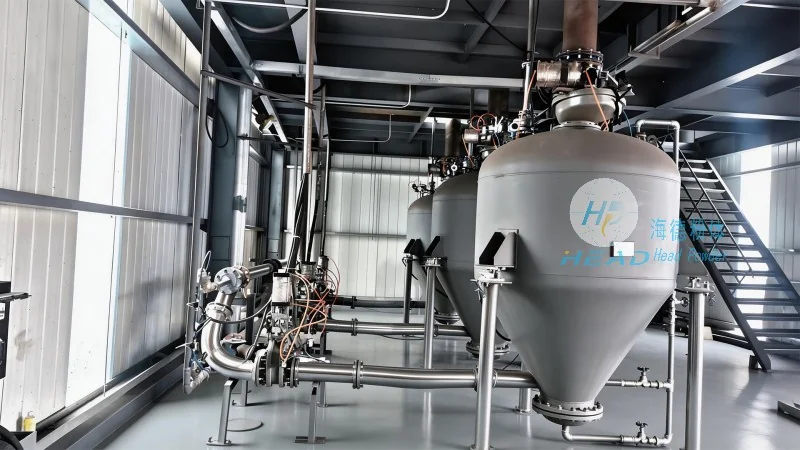
Understanding Chloroprene Rubber Pneumatic Conveying
Chloroprene rubber, commonly known as neoprene, is a synthetic rubber with excellent resistance to oil, chemicals, and weathering. In industrial settings, it is often processed as a powder or granules for various applications, such as seals, gaskets, and protective coatings. Traditional methods of transporting these materials, like bucket elevators or belt conveyors, can be inefficient, especially when dealing with fine powders that are prone to clogging or dust generation. Pneumatic conveying provides a solution by using air pressure to move materials through a closed system, reducing the risk of contamination and improving overall process safety.
The Core Components of a Pneumatic Conveying System
A typical chloroprene rubber pneumatic conveying system consists of several key components that work together to ensure smooth material transport. The primary elements include a material feed hopper, an air compressor or blower, a conveying line (often made of stainless steel or other corrosion-resistant materials), and a discharge unit. The feed hopper holds the chloroprene rubber powder or granules, while the air compressor generates the necessary air pressure to propel the material through the line. The conveying line is designed to handle the specific characteristics of the material, such as particle size and density, to prevent blockages and ensure consistent flow. The discharge unit then collects the material at the destination point, completing the process.
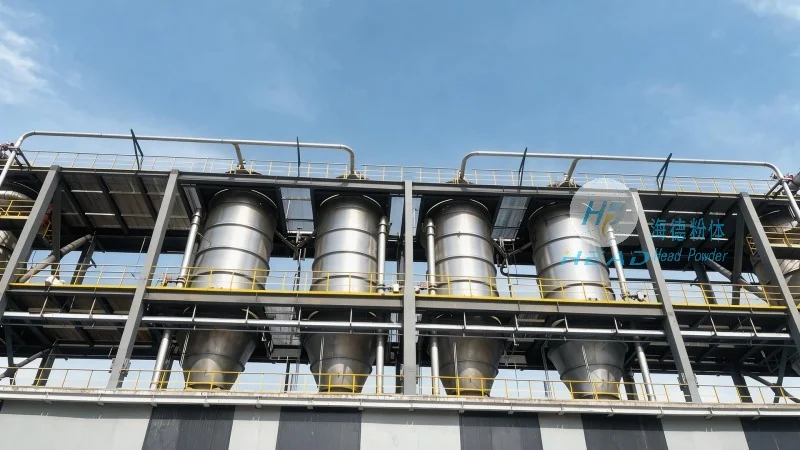
Types of Pneumatic Conveying Systems for Chloroprene Rubber
There are two main types of pneumatic conveying systems used for transporting chloroprene rubber: positive pressure and negative pressure systems. Positive pressure systems use an air compressor to force air and material through the conveying line, making them suitable for long-distance or high-capacity applications. Negative pressure systems, on the other hand, use a vacuum to draw material into the line, which is ideal for short-distance or low-volume transport. The choice between these systems depends on factors such as the material's properties, the distance between the source and destination, and the required throughput. For chloroprene rubber, which can be abrasive and sensitive to moisture, positive pressure systems are often preferred due to their ability to maintain consistent air pressure and prevent material degradation.
Key Considerations for Efficient Chloroprene Rubber Pneumatic Conveying
Several factors are crucial for achieving optimal performance in chloroprene rubber pneumatic conveying. First, the particle size and moisture content of the material must be carefully controlled, as these variables directly impact the system's efficiency and reliability. Chloroprene rubber particles that are too fine or too moist can cause clogging or increased air consumption. Second, the air compressor's capacity and pressure must be matched to the material's characteristics and the system's requirements. An underpowered compressor can lead to insufficient material transport, while an overpowered one may cause excessive energy consumption and wear on components. Third, regular maintenance of the system is essential to prevent issues such as line blockages, compressor wear, and filter clogging. This includes cleaning the conveying line, replacing worn parts, and monitoring air pressure and flow rates.
Applications of Chloroprene Rubber Pneumatic Conveying
Chloroprene rubber pneumatic conveying is widely used in various industries that handle fine or granular materials. In the rubber manufacturing industry, it is used to transport chloroprene rubber from storage silos to processing equipment, ensuring a continuous and clean supply of material. In the chemical industry, it is employed to move chloroprene rubber and other chemicals between processing stages, reducing the risk of cross-contamination. Additionally, it is used in the automotive and aerospace industries for transporting rubber components and raw materials to assembly lines. The ability to handle abrasive and chemically resistant materials makes this system particularly valuable in these sectors.
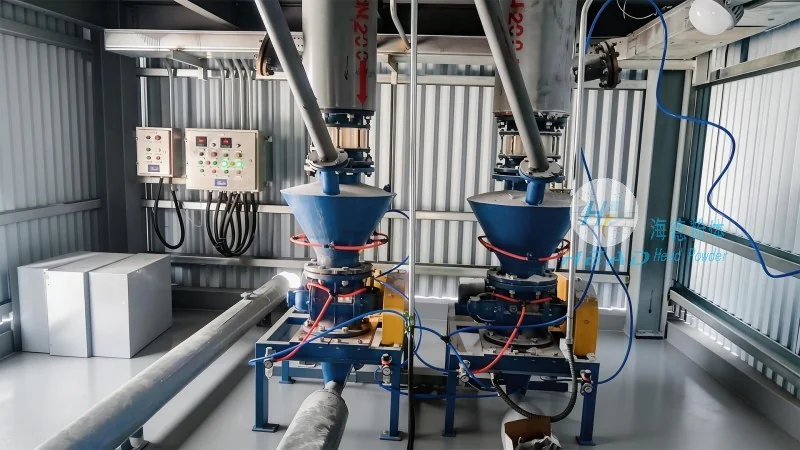
Advantages of Using a Pneumatic Conveying System for Chloroprene Rubber
Compared to traditional material handling methods, chloroprene rubber pneumatic conveying offers several advantages. One of the most significant benefits is the reduction in material loss and contamination. Since the system is enclosed, there is minimal exposure to the environment, preventing dust and particles from escaping and contaminating other areas. This is particularly important for chloroprene rubber, which is often used in applications where purity is critical. Another advantage is the improved safety and ergonomics. Unlike manual handling or bucket elevators, pneumatic conveying eliminates the need for workers to handle heavy or hazardous materials, reducing the risk of injuries and improving overall workplace safety. Additionally, the system can be automated, allowing for continuous operation and reducing labor costs.
Conclusion
Chloroprene rubber pneumatic conveying is a highly effective and efficient method for transporting powder and granular materials. By leveraging air flow, this system provides a clean, safe, and reliable solution for industries that rely on chloroprene rubber. With proper design, maintenance, and operation, a pneumatic conveying system can significantly improve material handling processes, reduce costs, and enhance overall productivity. For companies in the chloroprene rubber industry, investing in a well-designed pneumatic conveying system is a strategic decision that can yield long-term benefits.