

[Lime Powder Pneumatic Conveying: Efficient Air Flow Solutions for Bulk Powder Transport]
Efficiently transporting bulk powders like lime powder is a critical challenge in many industrial applications. Traditional methods such as belt conveyors or bucket elevators often face limitations when dealing with fine, dusty materials. This is where pneumatic conveying systems offer a superior solution, leveraging air flow to move materials with precision and minimal disruption.
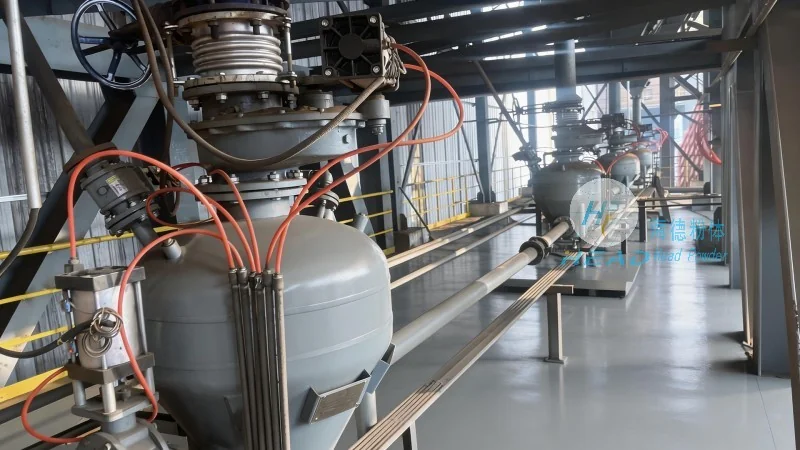
Pneumatic Conveying: The Core Technology for Lime Powder Handling
Pneumatic conveying, also known as air conveying, is a method that uses pressurized or suction air to transport dry bulk materials through a pipeline system. For lime powder, this technology provides a clean, dust-free, and efficient way to move the material from one location to another. The process typically involves a hopper or feeder that feeds the powder into a pipeline, where it is then carried by the air flow to the destination point, such as a silo, storage tank, or processing unit.
Key Advantages of Pneumatic Conveying for Lime Powder
Implementing pneumatic conveying for lime powder offers several key benefits that enhance operational efficiency and safety. First, it eliminates the need for manual handling, reducing labor costs and the risk of dust exposure for workers. The enclosed system also prevents contamination from external sources, ensuring the purity of the lime powder. Additionally, pneumatic conveyors can handle high volumes of material with minimal maintenance, as they have fewer moving parts compared to mechanical conveyors. This leads to lower operational costs and increased uptime in industrial settings.
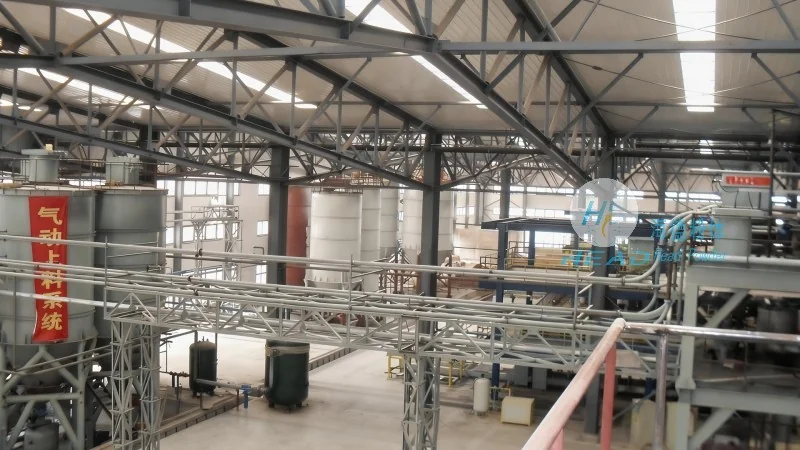
How Pneumatic Conveying Systems Work: A Step-by-Step Overview
The operation of a pneumatic conveying system for lime powder involves several key components and steps. The process begins with the material being fed from a hopper or silo into a feeder. The feeder then controls the flow rate of the lime powder into the pipeline. Next, the material is introduced into the conveying line, where it is entrained by the air flow. The air flow can be generated through a blower or a vacuum pump, depending on the system design. The material and air mixture travels through the pipeline to the discharge point, where the material is separated from the air using a separator or cyclone. The separated air is then filtered and returned to the system, while the lime powder is collected in the target container.
Applications of Pneumatic Conveying in Lime Powder Processing
Pneumatic conveying systems are widely used in various applications involving lime powder, including construction material production, water treatment, and chemical processing. In construction, lime powder is often used as a raw material for cement and mortar production, and pneumatic conveyors ensure efficient transport from storage to mixing facilities. In water treatment plants, lime is used to adjust pH levels, and pneumatic systems help deliver the powder to the treatment tanks without dust or contamination. Additionally, in chemical manufacturing, lime powder is used in various processes, and the ability to transport it safely and efficiently is crucial for maintaining production quality and safety standards.
Choosing the Right Pneumatic Conveying System for Lime Powder
When selecting a pneumatic conveying system for lime powder, several factors must be considered to ensure optimal performance. The first is the material characteristics, such as particle size, density, and moisture content, as these affect the conveying velocity and system design. The second is the distance and layout of the conveying route, which determines the type of system (e.g., pressure or vacuum) and the required air pressure or vacuum level. The third is the required flow rate and capacity, which influences the size of the feeder, blower, and pipeline. Finally, the environmental and safety requirements, such as dust control and explosion-proofing, must be addressed to comply with industrial regulations.
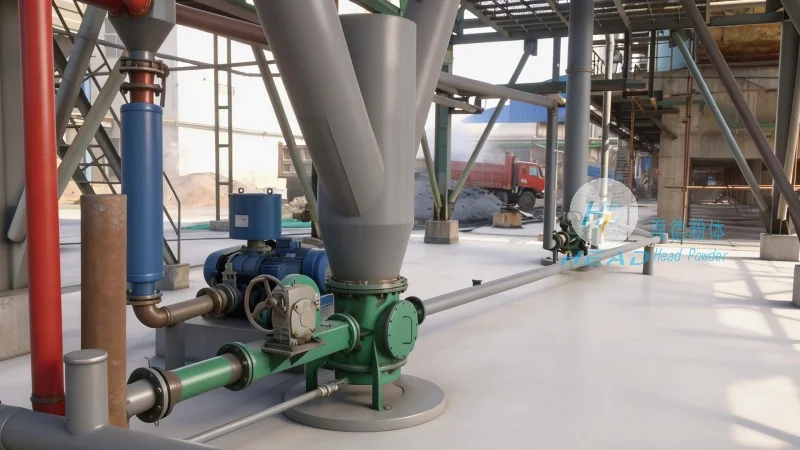
Case Study: Successful Implementation of Pneumatic Conveying by Shandong HeadPowder Engineering Co., Ltd.
Shandong HeadPowder Engineering Co., Ltd., a leading provider of bulk material handling solutions, has successfully implemented pneumatic conveying systems for lime powder in multiple industrial projects. One notable case involved a construction material plant in China that required efficient transport of lime powder from storage silos to mixing facilities. The company designed and installed a pressure pneumatic conveying system that increased the material throughput by 30% while reducing dust emissions by 90%. The system also minimized maintenance requirements, leading to lower operational costs and higher productivity for the client. This success demonstrates the effectiveness of pneumatic conveying in solving the challenges of lime powder handling in industrial settings.
Conclusion: The Future of Efficient Lime Powder Transport
Pneumatic conveying represents a highly effective and efficient solution for transporting lime powder in various industrial applications. By leveraging air flow to move the material through enclosed pipelines, this technology offers numerous advantages, including dust control, minimal contamination, and high operational efficiency. As industries continue to seek sustainable and cost-effective solutions for bulk material handling, pneumatic conveying systems will remain a critical component in the processing of lime powder and other fine powders. With the expertise of companies like Shandong HeadPowder Engineering Co., Ltd., the adoption of such systems can lead to improved productivity, safety, and environmental performance in industrial operations.