

[Pneumatic Conveying of Activated Carbon Powder: How to Efficiently Transport Powdered Materials wit
For industries dealing with activated carbon powder, the challenge of moving these fine particles efficiently and safely is a critical concern. Traditional methods like manual handling or mechanical conveyors often fall short in terms of dust control, operational efficiency, and overall process reliability. This is where pneumatic conveying systems emerge as a superior solution, offering a clean, flexible, and highly effective way to transport activated carbon powder from one point to another. In this article, we explore the principles, benefits, and practical applications of pneumatic conveying for activated carbon powder, with a focus on how companies like Shandong HeadPowder Engineering Co., Ltd. (headpowder) provide tailored solutions to meet these specific industry needs.
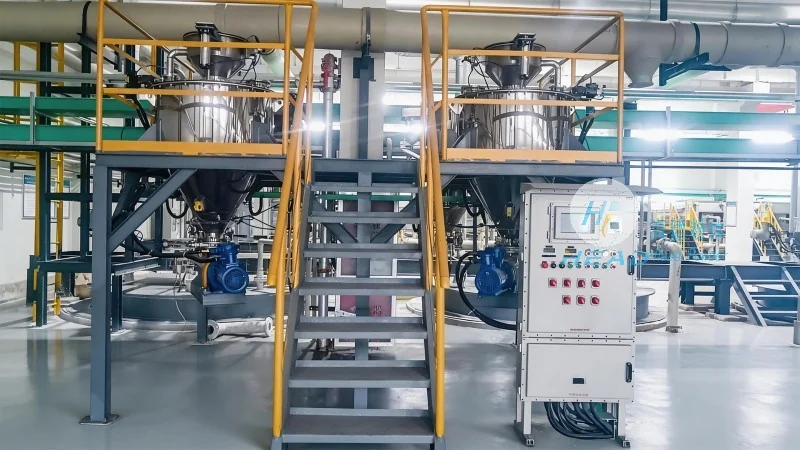
Introduction to Pneumatic Conveying Systems for Activated Carbon Powder
Pneumatic conveying, also known as air conveying, is a method of transporting bulk materials, including powders and granules, using a stream of air. In the context of activated carbon powder, this technology involves using compressed air or a vacuum to move the material through a pipeline. The system typically consists of a hopper to store the powder, a conveyor line (often made of stainless steel or other corrosion-resistant materials), and a control system to regulate the air flow. For activated carbon, which is often used in filtration, adsorption, and other industrial processes, the ability to transport it without generating dust or causing contamination is paramount. Pneumatic conveying systems address these needs by providing a closed-loop environment that minimizes exposure to the material and the surrounding environment.
The Importance of Efficient Powder Handling in Activated Carbon Industry
Activated carbon is a highly porous material with a large surface area, making it essential for various applications such as water treatment, air purification, and chemical processes. However, its fine particle size and light weight make it prone to dispersion and inhalation risks if not handled properly. Traditional bulk handling methods, such as bucket elevators or screw conveyors, can generate significant dust, leading to health hazards for workers and potential contamination of the product. Moreover, these methods may not be suitable for long-distance or complex route transportation. Pneumatic conveying offers a solution by eliminating the need for direct contact with the material, reducing dust emissions, and ensuring a hygienic transport process. This is particularly important in industries where product purity and worker safety are non-negotiable.
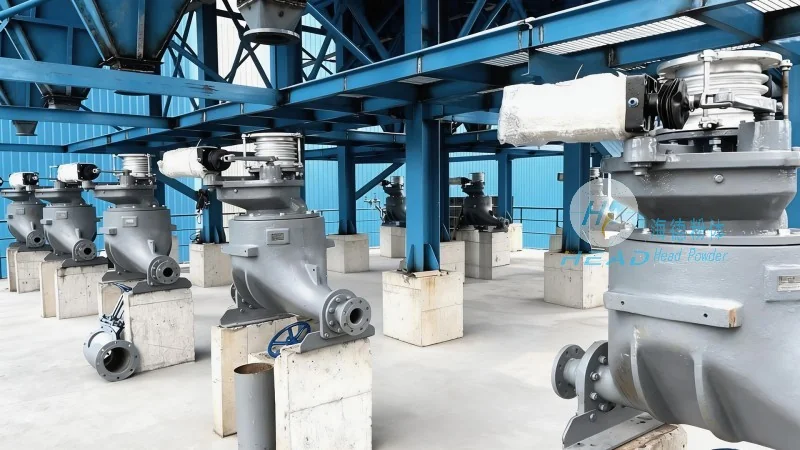
How Pneumatic Conveying Works: A Technical Overview
There are two primary types of pneumatic conveying systems used for activated carbon powder: suction (or vacuum) conveying and pressure conveying. Suction systems use a vacuum to draw the powder from the source into the pipeline, while pressure systems use compressed air to push the material forward. The choice between the two depends on factors such as the distance to be covered, the height of the lift, and the material's properties. For activated carbon, which is often stored in large hoppers or silos, suction systems are commonly used for material transfer from storage to processing units. These systems typically include a vacuum pump, a filter to remove any fine particles from the air stream, and a control valve to regulate the flow. Pressure systems, on the other hand, are ideal for long-distance horizontal transport or when the material needs to be elevated to a higher level. They use a positive pressure air source, such as a blower or compressor, to move the powder through the pipeline.
Key Benefits of Using Pneumatic Conveying for Activated Carbon Powder Transport
Implementing pneumatic conveying for activated carbon powder transport brings numerous advantages that enhance operational performance and cost-effectiveness. First, it provides a dust-free environment, which is crucial for maintaining product quality and ensuring workplace safety. Unlike mechanical conveyors that can generate dust clouds, pneumatic systems keep the material contained within the pipeline, reducing the risk of inhalation and cross-contamination. Second, pneumatic conveying offers high efficiency in terms of material throughput, allowing for rapid and continuous transport of large quantities of activated carbon. This is particularly beneficial in high-demand industrial settings where production rates are critical. Third, the system is highly flexible, capable of navigating complex layouts with multiple turns, vertical lifts, and horizontal runs without the need for additional equipment. This flexibility makes it suitable for retrofitting existing facilities or designing new plants with intricate material flow paths. Fourth, pneumatic conveying systems are relatively low maintenance compared to other bulk handling solutions, as they have fewer moving parts and are less prone to wear and tear from abrasive materials like activated carbon. Finally, the closed-loop design of these systems helps in controlling moisture and preventing the material from being exposed to external contaminants, which is vital for maintaining the adsorption properties of activated carbon.
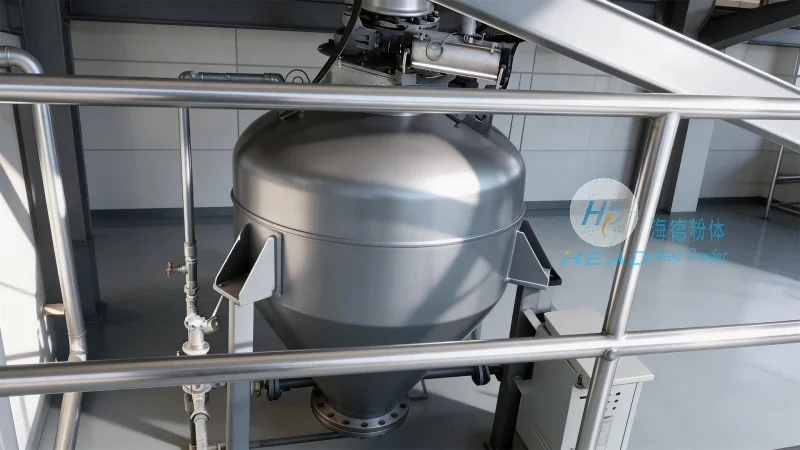
HeadPowder's Expertise in Pneumatic Conveying Solutions
Shandong HeadPowder Engineering Co., Ltd., operating under the brand name headpowder, specializes in the design, manufacturing, and installation of pneumatic conveying systems tailored to the specific requirements of activated carbon powder handling. With years of experience in the industry, headpowder understands the unique challenges associated with transporting fine powders, such as the need for low dust emission, high material recovery, and compliance with safety regulations. The company's team of engineers and technicians work closely with clients to assess their operational needs, material characteristics, and site constraints to develop customized solutions. Whether it's a suction system for short-distance transport or a pressure system for long-distance handling, headpowder offers a range of options that can be integrated with existing infrastructure or installed as a complete turnkey system. The company's commitment to quality and innovation ensures that its pneumatic conveying solutions not only meet but often exceed industry standards, providing reliable and efficient material transport for activated carbon powder.
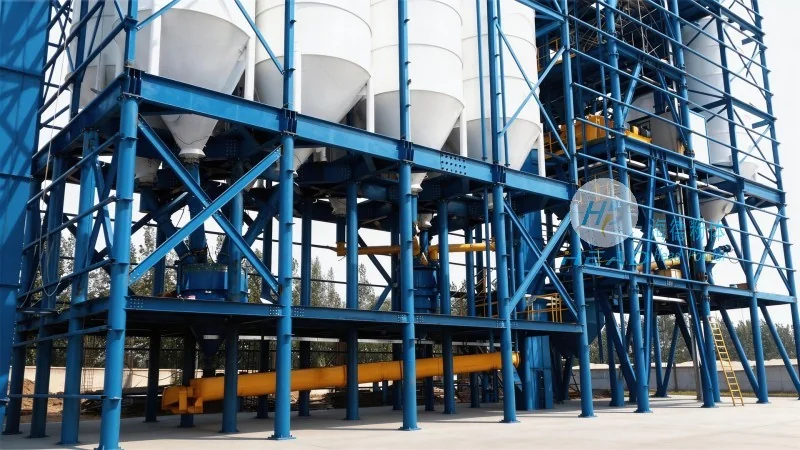
Customized Solutions for Diverse Activated Carbon Powder Handling Needs
Activated carbon powder can vary in particle size, density, and moisture content depending on the production process and intended application. headpowder recognizes that a one-size-fits-all approach is insufficient for effective material handling. Therefore, the company offers customized pneumatic conveying solutions that can be tailored to handle different types of activated carbon powder. For example, systems can be designed with varying air velocities to accommodate different particle sizes, ensuring that the material moves smoothly without causing blockages or excessive wear on the pipeline. The company also considers the moisture content of the powder, as high moisture levels can affect the material's flow properties and the system's performance. By adjusting the air flow rate and temperature, headpowder's systems can maintain optimal conditions for transporting activated carbon powder, even in challenging environments. Additionally, headpowder provides options for different pipeline materials, such as stainless steel, aluminum, or plastic, to suit the specific chemical compatibility and durability requirements of the activated carbon being handled. This level of customization ensures that clients receive a system that is not only efficient but also long-lasting and cost-effective.
Ensuring Safety and Compliance in Powder Transport
When dealing with activated carbon powder, safety is a top priority. Pneumatic conveying systems from headpowder are designed with safety features that comply with international standards and regulations. One key aspect is the prevention of static electricity, which can be a fire hazard in powder handling environments. The systems are equipped with grounding and bonding components to dissipate any static charge generated during the transport process. Additionally, the closed-loop design minimizes the risk of dust explosions by reducing the amount of material in the air and preventing the accumulation of combustible dust. The company also ensures that all components, such as the air filters and control valves, are designed to handle the specific properties of activated carbon, preventing clogging or failure. Regular maintenance and inspection protocols are also part of the service offered by headpowder to ensure that the systems remain in optimal condition and meet all safety and compliance requirements. By prioritizing safety, headpowder provides clients with peace of mind, knowing that their pneumatic conveying systems are reliable and secure for transporting activated carbon powder.