

Phosphorus Pentoxide Pneumatic Conveying Technology: In-Depth Analysis and Application of Negative P
Phosphorus pentoxide (P₂O₅), a highly hygroscopic and reactive chemical, is widely used in industrial processes such as fertilizer production, chemical synthesis, and material manufacturing. The safe and efficient transportation of this hazardous material is critical for industrial operations. Pneumatic conveying systems offer a reliable solution for handling P₂O₅, with negative pressure and positive pressure methods being the two primary approaches. This article provides a comprehensive analysis of both negative and positive pressure pneumatic conveying technologies for P₂O₅, highlighting their operational principles, advantages, disadvantages, and practical applications.
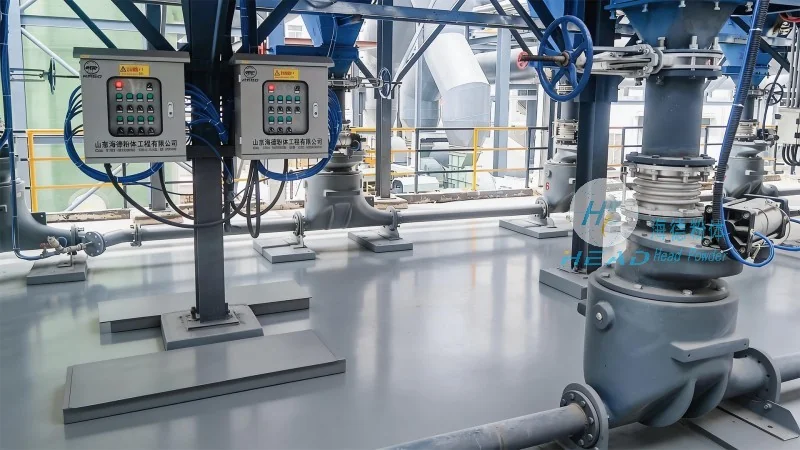
Understanding Pneumatic Conveying for Phosphorus Pentoxide
Before delving into the specifics of negative and positive pressure systems, it is essential to understand the fundamental principles of pneumatic conveying. Pneumatic conveying involves transporting bulk materials through a pipeline using air or gas as the conveying medium. For P₂O₅, which is highly reactive and can cause severe burns or respiratory issues upon contact, the choice of conveying method significantly impacts safety and operational efficiency. The two main categories of pneumatic conveying are negative pressure (or suction) and positive pressure (or pressure) systems, each with distinct characteristics and applications.
Negative Pressure Pneumatic Conveying: Principles and Applications
Negative pressure pneumatic conveying systems operate by creating a vacuum at the material discharge point, drawing the material from the source into the conveying line. This method is often referred to as "suction conveying." The primary advantage of negative pressure systems is their ability to handle materials from multiple sources or from elevated positions without the need for complex material transfer equipment. The suction mechanism ensures that the material is drawn into the pipeline, reducing the risk of dust generation at the source. However, negative pressure systems have limitations, particularly when dealing with highly abrasive or dense materials like P₂O₅, as the vacuum can lead to increased wear on the system components and may require more robust filtration to prevent material buildup in the suction line.
For P₂O₅, negative pressure systems are commonly used in applications where the material is stored in silos or hoppers at elevated levels, requiring transport to processing units at lower levels. The suction capability allows for the efficient collection of material from these sources, minimizing the need for manual handling and reducing exposure risks. Additionally, negative pressure systems are often preferred in environments where dust control is paramount, as the vacuum helps to contain particles within the system, preventing environmental contamination. However, the system's performance can be affected by the distance and elevation changes between the source and destination, as the vacuum pressure may not be sufficient to overcome significant resistance in long or steep pipelines.
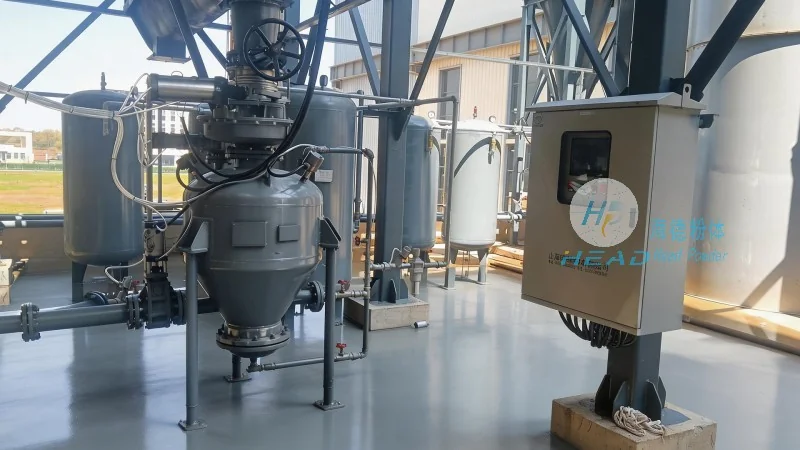
Positive Pressure Pneumatic Conveying: Principles and Applications
Positive pressure pneumatic conveying systems, in contrast, generate pressure at the material loading point, pushing the material through the pipeline. This method is also known as "pressure conveying." The primary advantage of positive pressure systems is their ability to handle a wider range of materials, including those that are abrasive, sticky, or have high bulk density, such as P₂O₅. The pressurized air ensures that the material is moved efficiently through the pipeline, reducing the risk of blockages and improving overall system reliability. Positive pressure systems are also more suitable for long-distance or high-elevation conveying, as the pressure can be maintained throughout the pipeline, overcoming resistance and ensuring consistent material flow.
For P₂O₅, positive pressure systems are often employed in applications where the material needs to be transported from ground-level storage to processing units at elevated locations, or where the conveying distance is significant. The pressurized air helps to maintain the material's flow characteristics, preventing agglomeration or caking that can occur with P₂O₅ under certain conditions. Additionally, positive pressure systems are easier to integrate with existing industrial infrastructure, as they can be connected to existing air compressors or pressure vessels. However, positive pressure systems require more robust sealing and filtration to prevent material leakage and contamination, as the high pressure can cause particles to escape from the system if not properly maintained.
Comparative Analysis: Negative vs. Positive Pressure Pneumatic Conveying for Phosphorus Pentoxide
When selecting a pneumatic conveying system for P₂O₅, it is crucial to compare the advantages and disadvantages of negative and positive pressure methods. Negative pressure systems excel in applications requiring low dust generation, multiple source handling, and relatively short conveying distances. They are particularly suitable for materials that are less abrasive and can be easily drawn into the pipeline under vacuum. However, their performance is limited by the vacuum pressure, which may not be sufficient for long or steep pipelines, leading to reduced material flow rates or system inefficiencies.
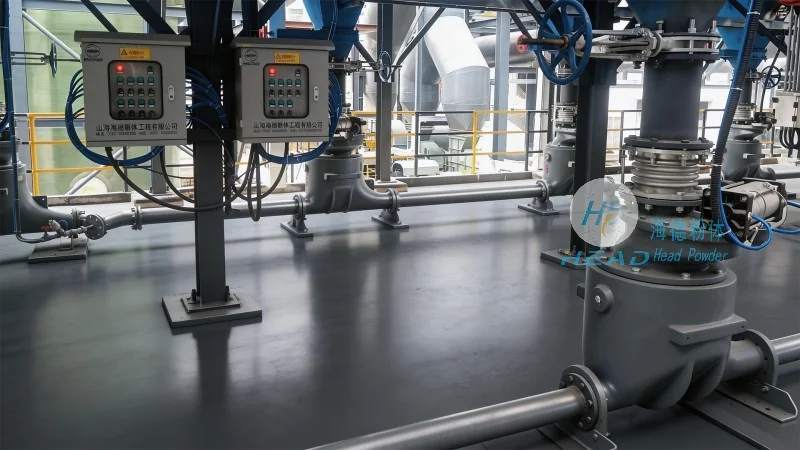
Positive pressure systems, on the other hand, are more versatile and reliable for handling P₂O₅, especially in applications involving long distances, high elevations, or abrasive materials. They offer higher material flow rates and better control over the conveying process, making them ideal for continuous production lines. However, positive pressure systems require more maintenance and higher energy consumption due to the need for pressurized air, and they may pose higher safety risks if not properly sealed, as the high pressure can lead to material leakage or system failures.
Key Considerations for Implementing Pneumatic Conveying Systems for Phosphorus Pentoxide
Implementing an effective pneumatic conveying system for P₂O₅ involves several key considerations to ensure safety, efficiency, and reliability. First, the material properties of P₂O₅, such as its hygroscopicity and reactivity, must be carefully evaluated to select the appropriate system design. The system must be equipped with robust filtration and sealing components to prevent moisture absorption and material contamination. Second, the conveying distance, elevation changes, and material flow rates must be accurately measured to determine the required air pressure and flow rates. Third, the system must be designed to minimize dust generation and exposure risks, as P₂O₅ is a hazardous material that can cause severe health issues if inhaled or contacted. Fourth, regular maintenance and inspection of the system components, such as pipelines, valves, and filters, are essential to prevent wear and ensure long-term performance.
Case Studies: Successful Applications of Pneumatic Conveying for Phosphorus Pentoxide
Several industrial applications have successfully utilized pneumatic conveying systems for P₂O₅, demonstrating the effectiveness of both negative and positive pressure methods. For example, a fertilizer production plant in China implemented a negative pressure system to transport P₂O₅ from storage silos to a processing unit. The system was designed to handle the material's hygroscopic nature by incorporating a moisture-proof suction mechanism and a high-efficiency filter to prevent dust contamination. The negative pressure system successfully reduced manual handling and exposure risks, while maintaining a consistent material flow rate of 5 tons per hour.
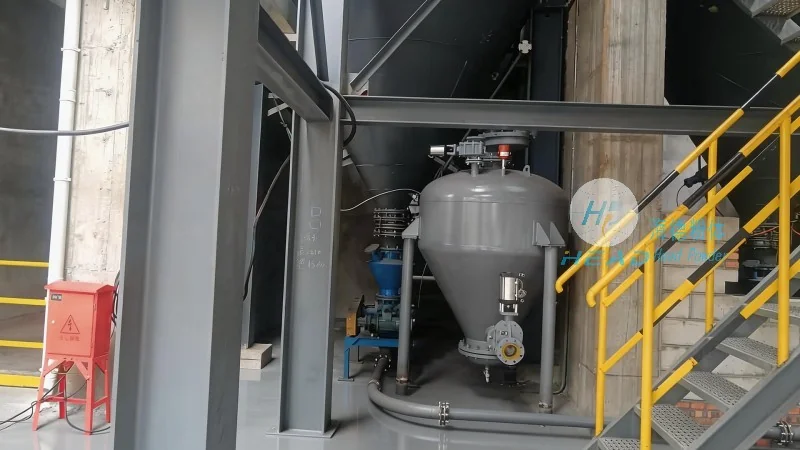
Another case study involves a chemical manufacturing facility that used a positive pressure system to transport P₂O₅ from ground-level storage to an elevated processing unit over a distance of 500 meters. The positive pressure system was equipped with a high-pressure air compressor and a robust pipeline system to ensure efficient material transport. The system successfully handled the material's abrasive properties by using wear-resistant materials for the pipeline and valves, and maintained a flow rate of 8 tons per hour, meeting the production requirements.
Conclusion: Choosing the Right Pneumatic Conveying System for Phosphorus Pentoxide
Both negative and positive pressure pneumatic conveying systems offer viable solutions for transporting phosphorus pentoxide, with each method having its own advantages and limitations. The choice of system depends on factors such as the conveying distance, elevation changes, material properties, and safety requirements. Negative pressure systems are ideal for short-distance, low-elevation applications with low dust generation needs, while positive pressure systems are more suitable for long-distance, high-elevation applications with abrasive or high-density materials. By carefully evaluating these factors and selecting the appropriate system design, industrial operations can ensure the safe and efficient transportation of P₂O₅, minimizing risks and maximizing productivity.
Shandong HeadPowder Engineering Co., Ltd., a leading provider of pneumatic conveying solutions, specializes in designing and manufacturing customized systems for handling hazardous materials like phosphorus pentoxide. With years of experience in the industry, the company offers comprehensive solutions that meet the specific needs of clients, ensuring reliable and efficient material transportation. HeadPowder's expertise in negative and positive pressure systems, combined with its commitment to safety and quality, makes it a trusted partner for industrial operations requiring P₂O₅ transportation solutions.