

Soy Protein Powder Pneumatic Conveying Technology: In-Depth Analysis of Negative Pressure and Positi
HeadPowder, a leading engineering firm based in Shandong, China, specializes in advanced material handling solutions tailored for industries dealing with sensitive and high-value products like soy protein powder. The company's expertise lies in developing efficient pneumatic conveying systems that ensure the safe, clean, and reliable transport of these powders from production to processing or packaging stages. Pneumatic conveying has become an indispensable technology in the food and agricultural sectors, offering advantages such as reduced contamination, improved product quality, and enhanced operational flexibility.
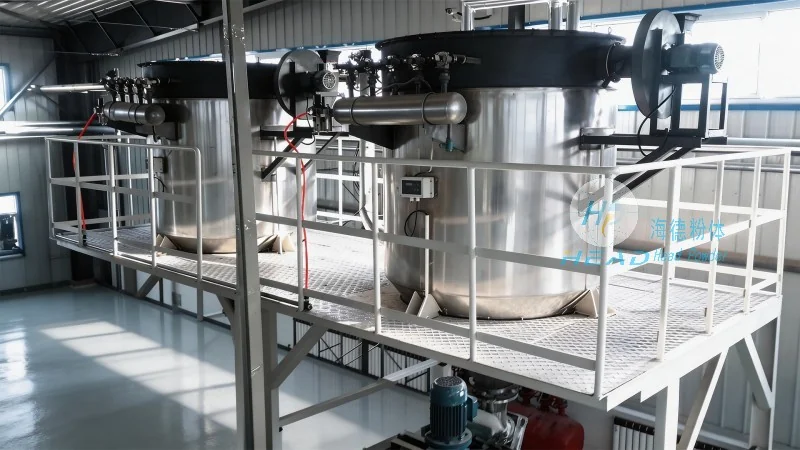
Vacuum Pneumatic Conveying for Soy Protein Powder
Vacuum pneumatic conveying systems utilize a negative pressure environment to draw material from a source, such as a silo or storage bin, into a conveying line. This method is particularly suitable for soy protein powder due to its fine particle size and potential for dust generation. The vacuum system creates a pressure differential that pulls the powder through the pipeline, often using a rotary airlock or feeder at the discharge end to control the flow rate. One of the key benefits of vacuum conveying is its ability to handle materials with high moisture content or those that are prone to caking, as the low pressure environment helps maintain particle integrity. Additionally, vacuum systems are effective for long-distance conveying, typically up to several hundred meters, and are commonly used in applications where the material needs to be transported from multiple points to a central processing unit. However, vacuum conveying may require more energy compared to positive pressure systems, and it can be less efficient for very fine powders that tend to settle quickly in the pipeline.
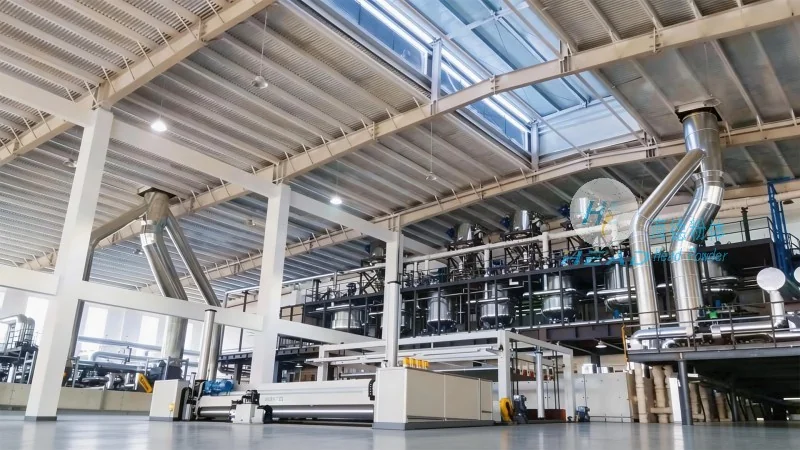
Positive Pressure Pneumatic Conveying for Soy Protein Powder
Positive pressure pneumatic conveying operates by forcing air or a carrier gas through the conveying line under positive pressure, pushing the material from the source to the destination. This method is ideal for transporting soy protein powder in situations where the material is sensitive to moisture or where high flow rates are required. The positive pressure system typically uses a blower or compressor to generate the necessary pressure, and the material is carried by the air stream in the form of a dilute or dense phase. Dilute phase conveying, where the powder is suspended in the air stream, is commonly used for short to medium distances (up to 100 meters) and is effective for fine powders that do not settle quickly. Dense phase conveying, on the other hand, involves a higher concentration of powder in the air stream, which is suitable for longer distances and can reduce the risk of material degradation due to excessive air velocity. Positive pressure systems are generally more energy-efficient for short distances and can handle larger volumes of material, making them a preferred choice in many industrial applications. However, they may not be as effective for very fine powders that are prone to clogging in the pipeline, and the system requires careful maintenance to prevent air leaks and ensure consistent performance.
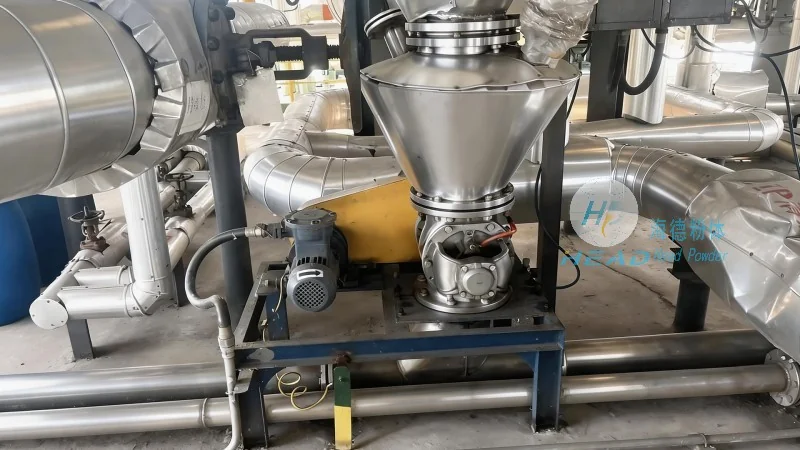
Key Considerations for Selecting the Right Pneumatic Conveying System
When choosing between vacuum and positive pressure pneumatic conveying for soy protein powder, several factors must be considered to ensure optimal performance and cost-effectiveness. The first consideration is the distance and layout of the conveying system. Vacuum systems are generally more suitable for longer distances, while positive pressure systems are better for shorter to medium distances. The particle size and flow characteristics of the soy protein powder also play a critical role. Fine powders with high moisture content may benefit more from vacuum conveying due to its ability to maintain particle integrity, whereas coarse or dry powders might perform better with positive pressure systems. The required flow rate and throughput are another important factor. Positive pressure systems can handle higher flow rates, making them ideal for high-volume production lines, whereas vacuum systems may be more suitable for lower flow rates or when the material needs to be transported from multiple sources. Additionally, the cost of equipment and energy consumption should be evaluated. Vacuum systems typically have lower initial equipment costs but higher energy consumption, while positive pressure systems may have higher initial costs but lower energy usage for short distances. Finally, the overall system complexity and maintenance requirements should be considered. Positive pressure systems are generally simpler to operate and maintain, whereas vacuum systems may require more frequent cleaning and maintenance to prevent clogging and ensure consistent performance.
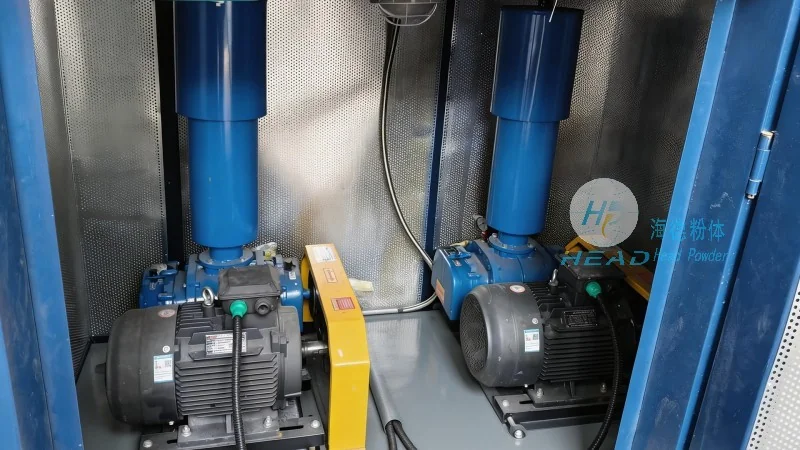
Applications and Benefits in the Soy Protein Industry
The application of pneumatic conveying systems in the soy protein industry has brought significant benefits, including improved product quality, reduced downtime, and enhanced operational efficiency. For example, in a soy protein processing plant, vacuum conveying can be used to transport soy protein powder from storage silos to a grinding or mixing unit, ensuring that the material is handled gently and without contamination. The positive pressure system can then be used to transport the ground soy protein to a packaging line, where the material is loaded into bags or containers. The use of pneumatic conveying also reduces the risk of cross-contamination between different product batches, as the material is transported in a closed system. Furthermore, the technology allows for better control over the material flow rate, which is crucial for maintaining consistent product quality and preventing over-processing or under-processing. In terms of operational benefits, pneumatic conveying systems can reduce labor costs by automating the material handling process and minimizing the need for manual handling. They also improve workplace safety by eliminating the need for workers to handle heavy or dusty materials. Overall, the adoption of advanced pneumatic conveying systems has become a standard practice in the soy protein industry, enabling manufacturers to meet the growing demand for high-quality protein products while maintaining efficiency and safety.