

Desulfurization and Dust Removal Fly Ash Pneumatic Conveying Technology: In-Depth Analysis and Appli
Desulfurization and dust removal processes in power plants and industrial facilities generate large volumes of fly ash, which requires efficient and reliable handling methods. Pneumatic conveying technology has emerged as a key solution for transporting these fine particulate materials. This article provides an in-depth analysis of the two primary pneumatic conveying systems—negative pressure and positive pressure—used for fly ash transport, exploring their technical principles, operational characteristics, and practical applications.
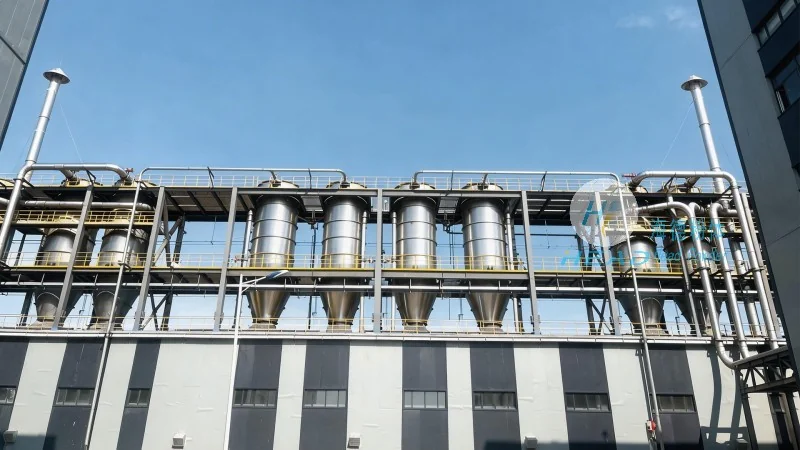
Negative Pressure Pneumatic Conveying Technology: Principles and Applications
Negative pressure (or vacuum) pneumatic conveying systems operate by creating a vacuum at the material inlet, drawing the fly ash into the conveying line. The system typically consists of a vacuum pump, a material hopper, a conveying pipe, and a dust collector. The vacuum pump generates a pressure differential that pulls the ash from the source to the destination. This method is particularly effective for long-distance or high-rise applications where the material needs to be transported against gravity. Negative pressure systems are also known for their ability to handle fine, dry powders without causing excessive wear on equipment. They are commonly used in applications where the ash is to be transported to a central storage facility or a disposal site, ensuring a clean and controlled process.
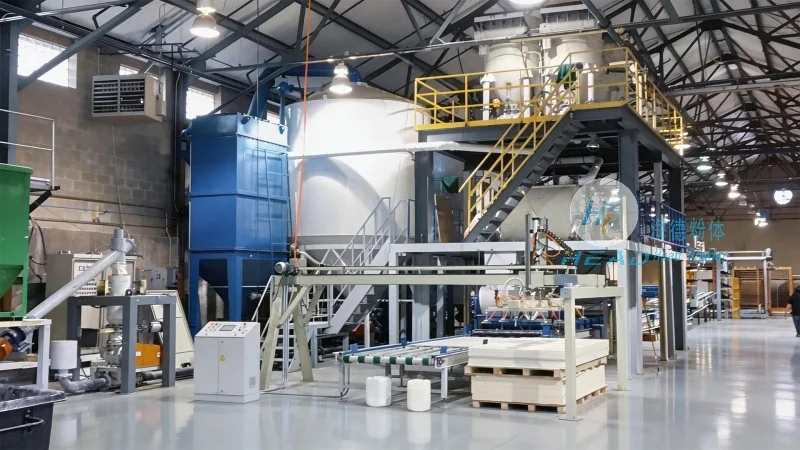
Positive Pressure Pneumatic Conveying Technology: Principles and Applications
Positive pressure (or pressure) pneumatic conveying systems, on the other hand, use a blower or compressor to force air and the material through the conveying line. The system operates by pressurizing the material hopper and conveying pipe, pushing the fly ash towards the destination. This approach is ideal for short to medium-distance transport, where the material can be moved horizontally or at a slight incline. Positive pressure systems are often preferred for handling abrasive or sticky materials, as the higher air velocity helps to prevent blockages and maintain consistent flow. They are commonly used in industrial settings where the ash needs to be delivered to a nearby processing unit or a storage silo, ensuring efficient material handling with minimal downtime.
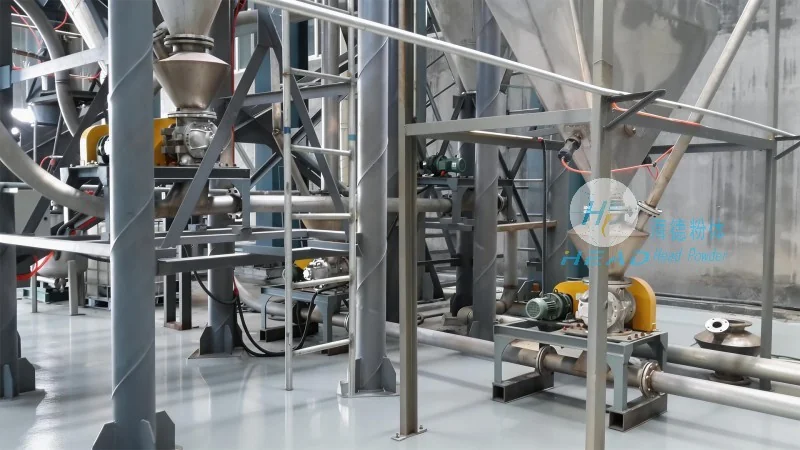
Comparative Analysis: Negative Pressure vs. Positive Pressure Pneumatic Conveying
When selecting a pneumatic conveying system for fly ash transport, it is essential to consider the specific requirements of the application. Negative pressure systems excel in long-distance or vertical transport, offering a gentle handling process that minimizes material degradation. They are also suitable for applications where the source and destination are at different elevations, as the vacuum can effectively overcome gravity. However, negative pressure systems may require more maintenance due to the vacuum pump and are generally less efficient for short-distance transport. Positive pressure systems, while more suitable for shorter distances, provide higher air velocities that can handle more challenging materials, such as those with high moisture content or stickiness. They are often more cost-effective for medium-distance applications and can be easier to install and operate. The choice between the two systems depends on factors such as the distance between the source and destination, the elevation difference, the material properties, and the overall system cost.
Practical Applications and Benefits in Desulfurization Systems
In modern desulfurization and dust removal systems, the efficient transport of fly ash is critical to maintaining the overall performance and environmental compliance of the facility. Negative pressure systems are often used in large power plants where the ash needs to be transported over long distances to a central storage or disposal site. The gentle handling of the material ensures that the ash remains in a dry, free-flowing state, reducing the risk of agglomeration and blockages. Positive pressure systems, meanwhile, are commonly employed in smaller industrial facilities or in applications where the ash is to be processed immediately after collection. The high air velocity in positive pressure systems helps to maintain a consistent flow rate, ensuring that the downstream processing equipment receives a steady supply of material. Both systems contribute to improved operational efficiency by reducing the need for manual handling and minimizing the risk of dust emissions during transport. This not only enhances the safety of the workplace but also helps to comply with environmental regulations regarding particulate matter control.
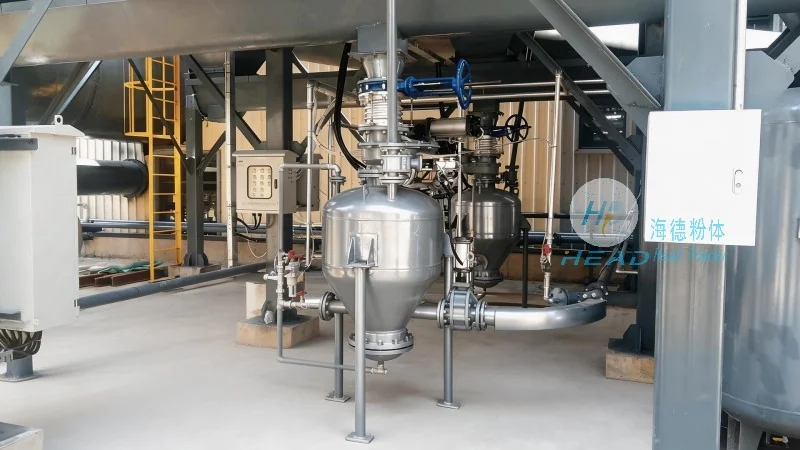
About Shandong HeadPowder Engineering Co., Ltd.
Shandong HeadPowder Engineering Co., Ltd., commonly known as HeadPowder, is a leading provider of specialized engineering solutions for the handling and processing of industrial powders. With a focus on innovative and efficient pneumatic conveying technologies, HeadPowder has developed advanced systems tailored to the unique challenges of desulfurization and dust removal applications. The company’s expertise lies in designing and implementing both negative and positive pressure pneumatic conveying systems that meet the specific needs of power plants and industrial facilities. HeadPowder’s commitment to quality and customer satisfaction has made it a trusted partner in the industry, delivering reliable solutions that enhance operational efficiency and environmental performance. Based in Shandong, China, HeadPowder continues to advance the technology of fly ash handling, providing sustainable and effective solutions for modern industrial applications.