

Sawdust and Wood Flakes Pneumatic Conveying Technology: In-Depth Analysis of Negative and Positive P
HeadPowder, a leading engineering firm based in Shandong, China, specializes in advanced material handling solutions, particularly in the field of pneumatic conveying for sawdust and wood flakes. This article provides a comprehensive exploration of the technologies involved, focusing on both negative and positive pressure systems, and their practical applications in processing wood-based materials.
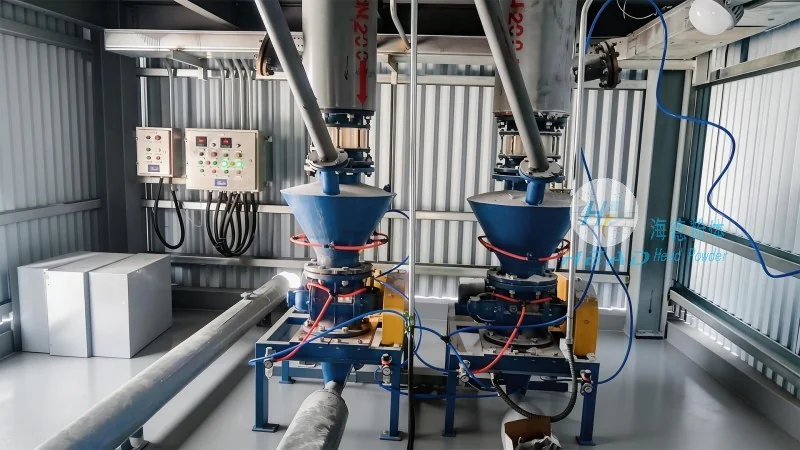
Understanding Pneumatic Conveying Systems for Sawdust and Wood Flakes
Pneumatic conveying is a critical process in the wood processing industry, enabling the efficient transport of lightweight, fine materials like sawdust and wood flakes from one location to another without the need for mechanical components such as belts or buckets. The core of this technology lies in the use of air to move materials through a pipeline system. Two primary methods dominate the industry: negative pressure (or vacuum) and positive pressure systems, each with distinct advantages and applications.
Negative Pressure (Vacuum) Pneumatic Conveying Systems
Negative pressure systems operate by creating a vacuum at the material intake point, drawing the material into the pipeline using air flow. This method is particularly effective for conveying materials from multiple sources or over relatively short distances, as it can handle a wide range of particle sizes and moisture content. The vacuum created ensures that the material is pulled through the system, reducing the risk of blockages and making it suitable for applications where the material may be dusty or have a tendency to settle. For sawdust and wood flakes, negative pressure systems are often used in scenarios where the material is generated at multiple points within a facility, such as from sawmills or wood processing plants. The system can efficiently collect and transport these materials to a central storage or processing unit, maintaining a clean and controlled environment.
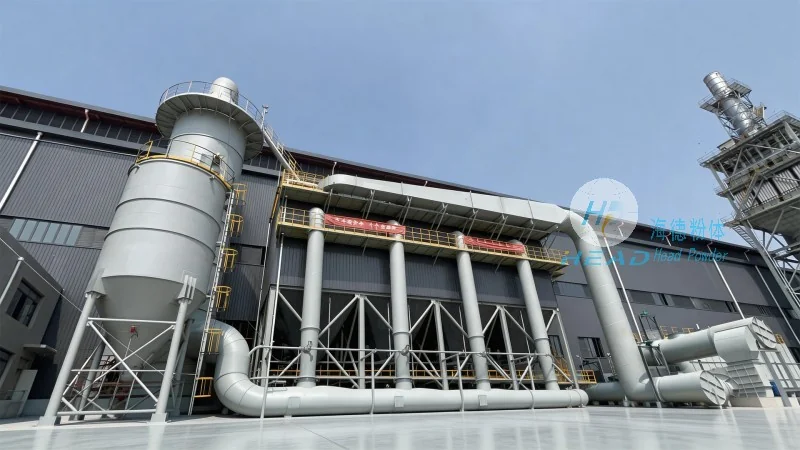
Positive Pressure Pneumatic Conveying Systems
Positive pressure systems, on the other hand, use compressed air to push the material through the pipeline. This approach is ideal for longer distances or when the material needs to be conveyed against gravity, such as from a lower to a higher elevation. The high-pressure air ensures that the material remains suspended in the air stream, preventing clogging and maintaining consistent flow rates. Positive pressure systems are commonly employed in applications where the material is to be transported over significant distances, such as from a raw material storage area to a processing plant or from a processing plant to a shipping facility. For sawdust and wood flakes, this method is particularly useful when the material needs to be moved to a location that is higher than the source, or when the distance between the source and destination is substantial.
Key Considerations for Sawdust and Wood Flakes Conveying
When implementing pneumatic conveying systems for sawdust and wood flakes, several factors must be carefully considered to ensure optimal performance and efficiency. Particle size and moisture content are critical variables, as they directly impact the system's ability to maintain a consistent flow. Larger particles or higher moisture content may require adjustments to the air flow rate or system pressure to prevent blockages. Additionally, the material's density and specific gravity influence the system's design, as these properties affect the air velocity needed to keep the material suspended. HeadPowder's expertise lies in tailoring these systems to meet the specific characteristics of the sawdust and wood flakes being handled, ensuring that the conveying process is both effective and cost-efficient.
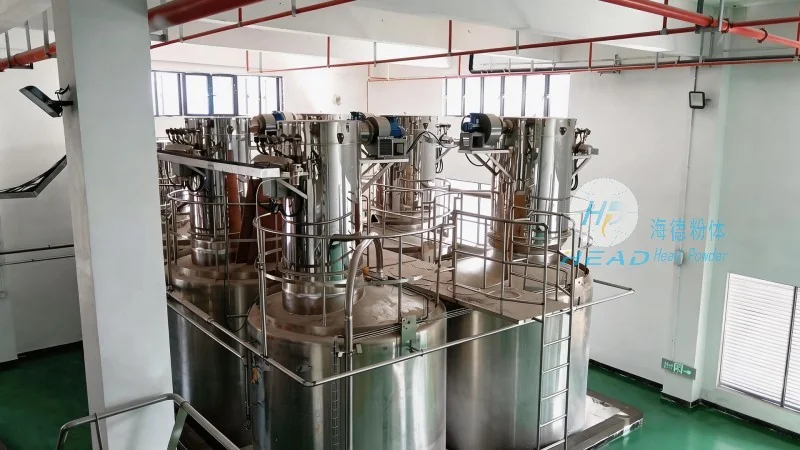
Applications and Benefits of Pneumatic Conveying in Wood Processing
The application of pneumatic conveying systems in the wood processing industry offers numerous benefits, including improved safety, reduced labor costs, and enhanced material handling efficiency. By eliminating the need for manual handling of sawdust and wood flakes, these systems minimize the risk of dust exposure and workplace injuries. The automated process also reduces the time and labor required to transport materials, allowing processing plants to operate more efficiently and with lower operational costs. Furthermore, the consistent flow of materials ensures that downstream processes, such as drying or pelletizing, receive a steady supply of raw material, improving overall production throughput. HeadPowder's solutions are designed to address these challenges, providing customized pneumatic conveying systems that meet the unique needs of each wood processing facility.
Conclusion: Choosing the Right Pneumatic Conveying System for Sawdust and Wood Flakes
Both negative and positive pressure pneumatic conveying systems offer viable solutions for transporting sawdust and wood flakes, with the choice depending on the specific requirements of the application. Negative pressure systems are ideal for short-distance, multi-source applications, while positive pressure systems are better suited for longer distances or when the material needs to be conveyed against gravity. HeadPowder, with its extensive experience in engineering and manufacturing, provides comprehensive solutions that include system design, equipment selection, and installation. By leveraging their expertise, wood processing facilities can select the most appropriate pneumatic conveying system to enhance their operational efficiency, reduce costs, and improve overall productivity. Whether dealing with sawdust or wood flakes, HeadPowder's solutions are tailored to meet the demands of modern wood processing, ensuring reliable and efficient material handling.