

[Polyacrylamide Pneumatic Conveying Technology: In-Depth Analysis of Vacuum and Positive Pressure Co
For industrial applications requiring efficient and reliable material handling, polyacrylamide (PAM) is a critical component, often used in processes such as water treatment and chemical processing. The method of transporting PAM from storage to processing units can significantly impact operational efficiency and safety. Two primary pneumatic conveying techniques—vacuum and positive pressure—offer distinct advantages and are widely adopted in the industry. This article provides a comprehensive overview of these technologies, focusing on their principles, applications, and the role of specialized equipment designed for PAM handling.
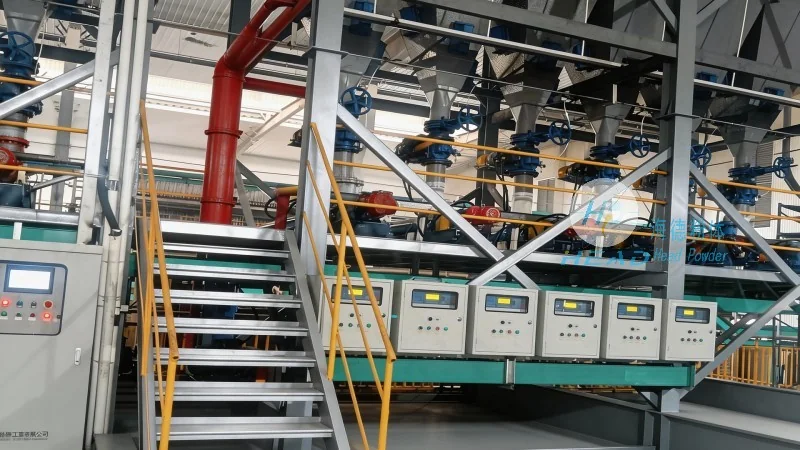
Understanding Pneumatic Conveying: Vacuum vs. Positive Pressure Systems
Pneumatic conveying systems use air or gas to transport bulk materials like polyacrylamide through a pipeline. The choice between vacuum and positive pressure systems depends on factors such as material characteristics, distance, and system layout. Vacuum systems operate by creating a negative pressure in the pipeline, drawing material from a source into the system. Positive pressure systems, conversely, use compressed air to push material through the pipeline. Each approach has unique benefits and considerations that make it suitable for specific PAM handling scenarios.
Key Components of Vacuum Pneumatic Conveying for Polyacrylamide
Vacuum conveying systems are particularly effective for transporting PAM over moderate distances, typically up to several hundred meters. The system consists of a vacuum pump, a material feed hopper, and a pipeline network. The vacuum pump creates a pressure differential, drawing PAM from the hopper into the pipeline. Key components include a rotary valve for controlled material discharge, a filter to prevent dust or debris from entering the system, and a receiver where the PAM is deposited. This method is advantageous for applications where the material source is elevated or when a gentle handling approach is required to prevent product degradation.
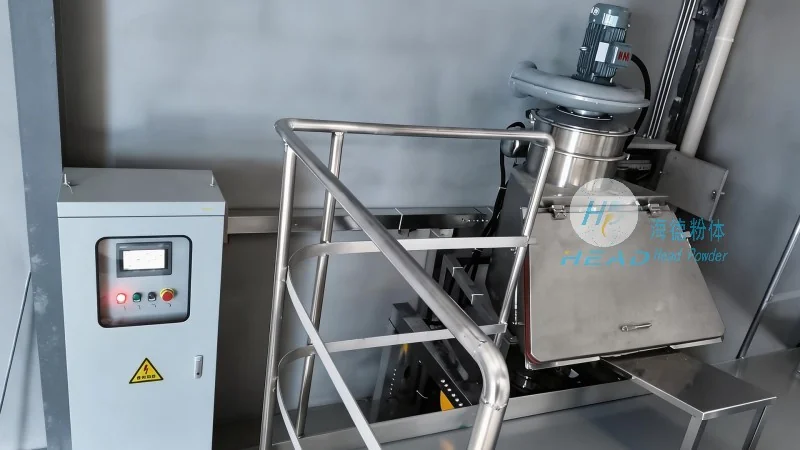
Advantages and Limitations of Positive Pressure Pneumatic Conveying
Positive pressure systems are often preferred for longer conveying distances or when the material source is at a lower elevation. These systems use compressed air to propel PAM through the pipeline, typically at higher velocities. The main components include a blower, a material feeder, and a pipeline with appropriate diameter and pressure rating. Positive pressure conveying can handle larger volumes and is more suitable for abrasive or high-density materials. However, it may require more robust equipment and higher energy consumption compared to vacuum systems. For polyacrylamide, which is often in powder form, positive pressure systems can effectively maintain material flow without clogging, making them ideal for continuous production lines.
Application Scenarios in Industrial Processes
The choice between vacuum and positive pressure pneumatic conveying for polyacrylamide depends on the specific industrial application. In water treatment facilities, vacuum systems are commonly used to transport PAM from storage silos to dosing points, ensuring precise control over the dosing rate. This is crucial for maintaining optimal coagulation and flocculation processes. In chemical manufacturing plants, positive pressure systems may be employed to move PAM from production areas to storage or processing units, especially when the material needs to be transferred over longer distances or through complex piping networks.
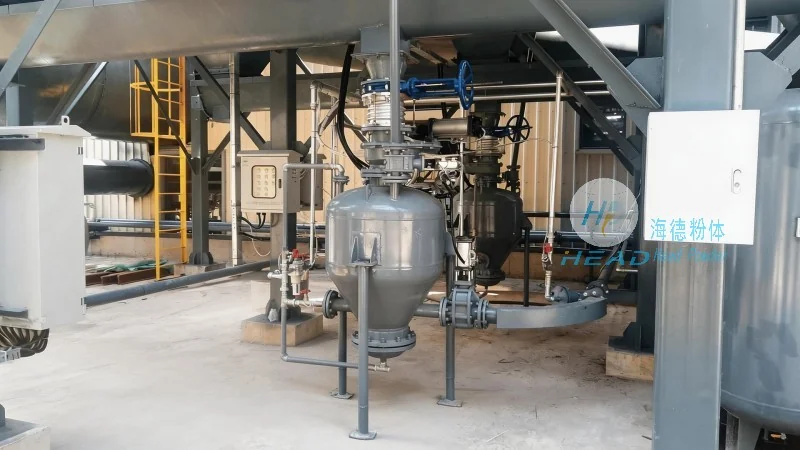
Equipment Design Considerations for PAM Handling
Specialized equipment is essential for efficient and safe PAM pneumatic conveying. For vacuum systems, the design must account for the material's low bulk density and potential for static electricity. Anti-static filters and grounding mechanisms are critical to prevent dust accumulation and ensure safe operation. Positive pressure systems require high-quality seals and materials that can withstand the pressure and potential abrasion from PAM particles. The pipeline design, including bends and elbows, must be optimized to minimize pressure drop and prevent material buildup. Additionally, the system must include safety features such as pressure relief valves and overfill protection to prevent accidents.
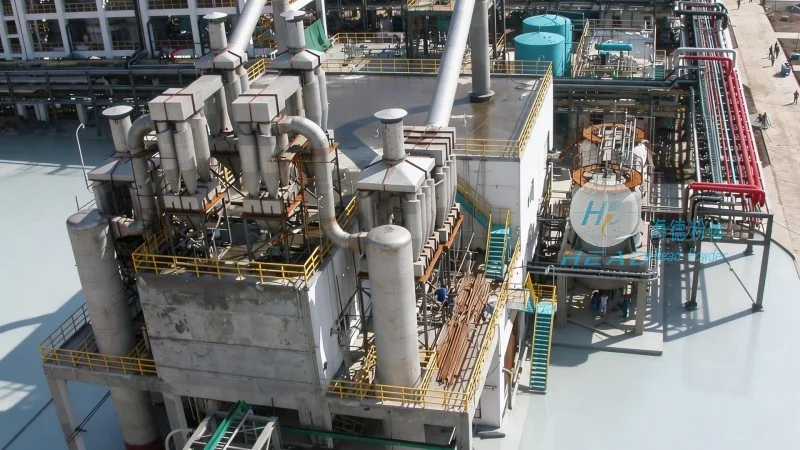
Case Study: Implementing Pneumatic Conveying at Shandong HeadPowder Engineering Co., Ltd.
Shandong HeadPowder Engineering Co., Ltd., a leading provider of industrial solutions, has successfully implemented both vacuum and positive pressure pneumatic conveying systems for polyacrylamide handling in various clients' facilities. One notable project involved a water treatment plant in China where a vacuum system was installed to transport PAM from storage silos to dosing points over a distance of 200 meters. The system was designed with a rotary valve and a high-efficiency filter to ensure consistent material flow and prevent contamination. The client reported significant improvements in dosing accuracy and reduced labor costs compared to traditional manual handling methods. Another project involved a chemical plant where a positive pressure system was used to transfer PAM from production units to storage silos over a distance of 500 meters. The system utilized a high-capacity blower and a robust pipeline network, achieving a conveying rate of 10 tons per hour with minimal downtime. These case studies highlight the effectiveness of specialized pneumatic conveying solutions in optimizing PAM handling processes.
Conclusion: Choosing the Right Pneumatic Conveying System for Polyacrylamide
In conclusion, both vacuum and positive pressure pneumatic conveying systems offer viable solutions for transporting polyacrylamide in industrial applications. The selection depends on factors such as distance, material characteristics, and operational requirements. Vacuum systems are ideal for shorter distances and gentle handling, while positive pressure systems are better suited for longer distances and higher throughput. By understanding the principles and components of each system, industrial facilities can optimize their PAM handling processes, improving efficiency, safety, and overall operational performance. As a leader in the field, Shandong HeadPowder Engineering Co., Ltd. continues to provide tailored solutions that meet the unique needs of its clients, ensuring reliable and efficient polyacrylamide transportation.