

Glass Fiber Powder Pneumatic Conveying Technology: In-Depth Analysis of Negative Pressure and Positi
For industries dealing with glass fiber powders, efficient material handling is crucial. The choice between negative pressure and positive pressure pneumatic conveying systems significantly impacts operational efficiency, cost-effectiveness, and product quality. This article provides a comprehensive overview of the key aspects of glass fiber powder pneumatic conveying, focusing on the technical differences, advantages, and practical applications of both negative pressure and positive pressure systems.
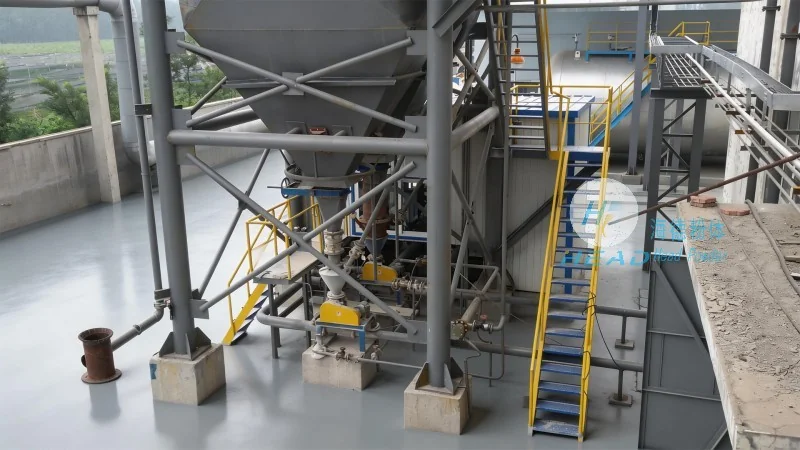
Introduction to Glass Fiber Powder Pneumatic Conveying
Glass fiber powders are widely used in various industrial applications, including composites, insulation materials, and filtration products. Handling these powders requires specialized equipment to ensure minimal dust generation, consistent flow, and safe operation. Pneumatic conveying systems offer a non-contact method for transporting glass fiber powders over short to medium distances, eliminating the need for mechanical components like belts or buckets that can cause contamination or damage to the material.
Understanding Negative Pressure Pneumatic Conveying Systems
Negative pressure (or vacuum) conveying systems operate by creating a vacuum at the receiving end to draw material from the source. This method is particularly effective for transporting glass fiber powders from a hopper or storage bin to a processing unit. The system typically includes a vacuum pump, a filter to capture fine particles, and a conveying line that connects the source to the destination. The primary advantage of negative pressure systems is their ability to handle materials with low flowability or those that are prone to caking, as the vacuum helps maintain a consistent flow rate. However, they may be less suitable for long-distance or high-volume applications due to potential pressure drop issues and the need for robust filtration to prevent dust accumulation.
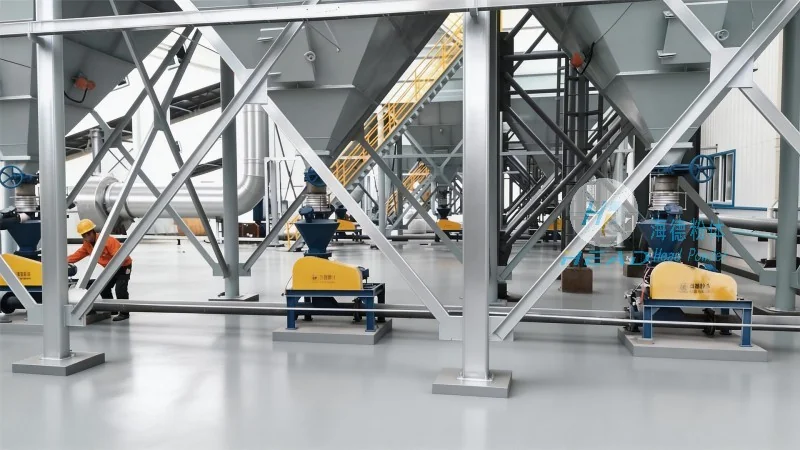
Advantages of Negative Pressure Systems for Glass Fiber Powders
When applied to glass fiber powders, negative pressure systems offer several benefits. Firstly, they minimize the risk of dust exposure, which is critical for maintaining a safe working environment and complying with occupational health regulations. The enclosed system prevents particles from being released into the air, reducing the need for extensive dust control measures. Secondly, negative pressure systems can handle materials with varying particle sizes and moisture content, as the vacuum helps to break up agglomerates and ensure uniform flow. This is particularly important for glass fiber powders, which can be sensitive to moisture and particle agglomeration. Additionally, the system's design allows for easy integration with existing storage and processing equipment, making it a flexible solution for many industrial settings.
Positive Pressure Pneumatic Conveying Systems
Positive pressure (or pressure) conveying systems, in contrast, use compressed air to push material through the conveying line. The source is connected to a blower or compressor that generates the necessary pressure to move the glass fiber powder from the hopper to the processing unit. This method is often preferred for longer distances or higher material volumes, as it can maintain consistent flow rates over extended periods. Positive pressure systems are generally more suitable for materials with good flowability and lower dust generation, as the pressurized air helps to keep particles suspended and prevent blockages.
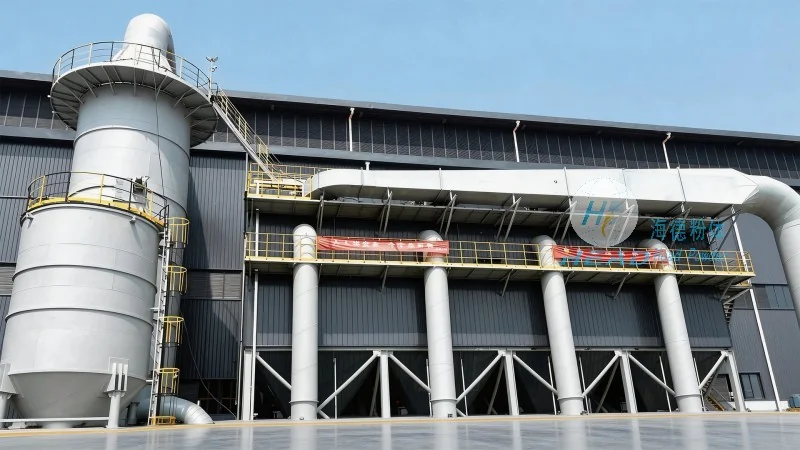
Key Benefits of Positive Pressure Systems
For glass fiber powder applications, positive pressure systems provide distinct advantages. One of the most significant benefits is their ability to handle longer conveying distances without significant pressure loss. The pressurized air maintains the material's momentum, ensuring reliable delivery even over several hundred feet. This makes positive pressure systems ideal for facilities where the processing unit is located far from the storage area. Another advantage is the reduced risk of material degradation, as the system operates at lower temperatures compared to some other handling methods. The enclosed pressurized line also minimizes exposure to external contaminants, preserving the purity of the glass fiber powder. Furthermore, positive pressure systems can be easily scaled up to accommodate increased production demands, making them a scalable solution for growing businesses.
Comparative Analysis: Negative vs. Positive Pressure Systems
When deciding between negative and positive pressure systems for glass fiber powders, several factors must be considered. The primary consideration is the distance and volume of material to be conveyed. For short distances and low to medium volumes, negative pressure systems may be more cost-effective due to their simpler design and lower energy consumption. However, for longer distances or high-volume applications, positive pressure systems are generally more efficient and reliable. Another critical factor is the material's properties, such as flowability, moisture content, and particle size distribution. Materials with poor flowability or high moisture content may benefit more from negative pressure systems, as the vacuum helps to maintain consistent flow. Conversely, materials with good flowability and low dust generation are better suited for positive pressure systems. The choice also depends on the available space and infrastructure, as positive pressure systems require more space for the compressor and blower, while negative pressure systems need a larger filter and vacuum pump.
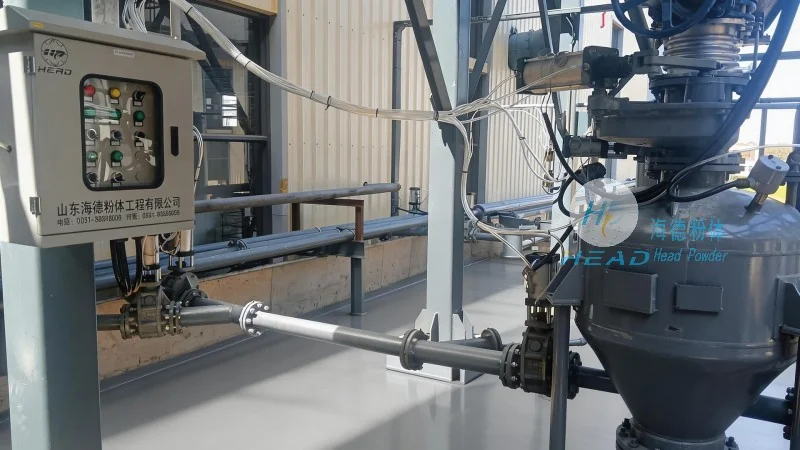
Applications of Glass Fiber Powder Pneumatic Conveying
Glass fiber powder pneumatic conveying systems are widely used in various industries. In the composites industry, these systems are essential for transporting glass fiber powders to mixing and molding equipment, ensuring consistent fiber distribution in the final product. In insulation manufacturing, negative pressure systems are commonly used to handle fine glass fiber powders, as they help to minimize dust and maintain the material's purity. The filtration industry also relies on pneumatic conveying to transport glass fiber powders to filter media production lines, where the material is processed into high-quality filters. Additionally, in the construction industry, glass fiber powders are used in concrete additives and insulation materials, and pneumatic conveying systems help to efficiently distribute these materials to construction sites.
Conclusion: Choosing the Right Pneumatic Conveying System
The selection of a negative or positive pressure pneumatic conveying system for glass fiber powders depends on a combination of factors, including the distance to be covered, material properties, and operational requirements. Negative pressure systems are ideal for short distances, low volumes, and materials with poor flowability, while positive pressure systems are better suited for longer distances, high volumes, and materials with good flowability. Both systems offer significant advantages in terms of efficiency, safety, and product quality, but the optimal choice will vary based on the specific application. By understanding the technical differences and benefits of each system, manufacturers can make informed decisions to enhance their operational performance and ensure the consistent quality of their glass fiber powder products.