

Silica Powder Positive Pressure and Negative Pressure Conveying: A Comparative Analysis of Two Pneum
When it comes to transporting silica powder, selecting the right pneumatic conveying method is crucial for efficiency, cost-effectiveness, and operational safety. Two primary approaches dominate the industry: positive pressure conveying and negative pressure conveying. This article provides a detailed comparison of these two methods, focusing on their applications, advantages, and limitations, with insights from Shandong HeadPowder Engineering Co., Ltd., a leading provider of material handling solutions based in Shandong, China.
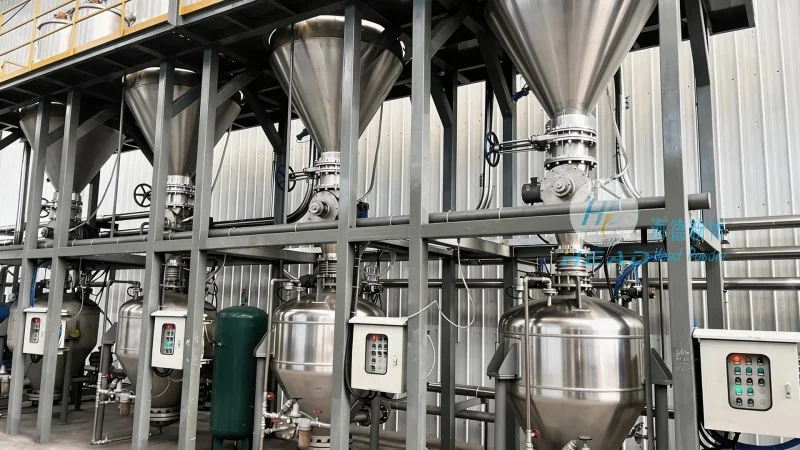
Understanding Pneumatic Conveying Methods
Pneumatic conveying systems use air or gas to transport bulk materials like silica powder through a pipeline. The choice between positive and negative pressure systems depends on factors such as material characteristics, distance, and system complexity. Both methods have distinct mechanisms and are suited for different scenarios.
Positive Pressure Conveying: Advantages and Applications
Positive pressure conveying operates by blowing air or gas into the material stream, creating a pressure higher than the ambient environment. This method is particularly effective for transporting silica powder over long distances or through complex piping networks. One of the key advantages is its ability to handle abrasive materials without significant wear on the system components. Shandong HeadPowder Engineering Co., Ltd. specializes in designing positive pressure systems that ensure minimal material degradation and consistent flow rates, making them ideal for high-volume applications in industries such as construction and manufacturing.
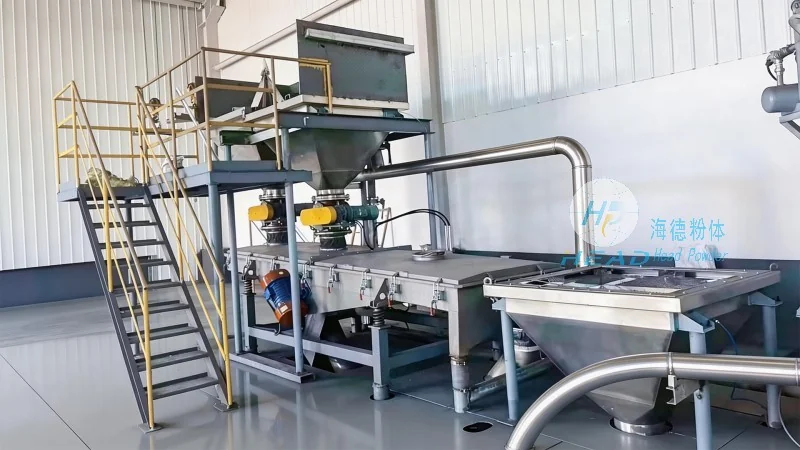
Negative Pressure Conveying: Benefits and Limitations
Negative pressure conveying, also known as suction conveying, works by creating a vacuum in the system to draw material from a source into the pipeline. This method is often preferred for short-distance or low-volume applications where the material is less abrasive or the system needs to be enclosed to prevent dust emissions. A notable benefit is the reduced risk of dust contamination in the surrounding environment, which is critical for maintaining workplace safety and compliance with environmental regulations. However, negative pressure systems may experience higher energy consumption and are more susceptible to clogging due to the lower air velocity compared to positive pressure systems.
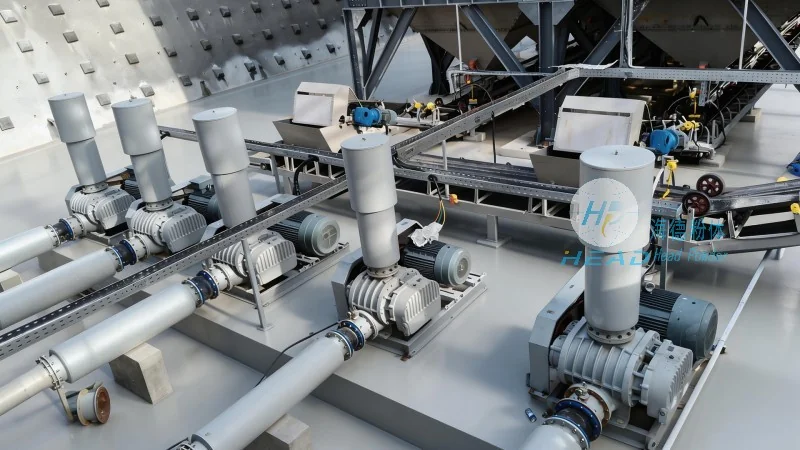
Key Factors to Consider When Choosing a Conveying System
When deciding between positive and negative pressure conveying for silica powder, several factors must be evaluated. The distance between the source and destination is a primary consideration; positive pressure is generally more suitable for longer distances, while negative pressure is better for shorter runs. Material properties, including particle size, moisture content, and abrasiveness, also play a significant role. For instance, highly abrasive silica powders may require more robust equipment in positive pressure systems to prevent wear. Additionally, the system's energy efficiency and maintenance requirements should be weighed against the operational needs of the facility. Shandong HeadPowder Engineering Co., Ltd. offers customized solutions that address these factors, ensuring optimal performance and cost-effectiveness for each client's specific requirements.
Conclusion: Selecting the Right Conveying Method
Both positive pressure and negative pressure conveying methods have their place in the transportation of silica powder, and the choice depends on the specific operational conditions and material characteristics. Positive pressure systems excel in long-distance, high-volume applications with robust material handling capabilities, while negative pressure systems are advantageous for short-distance, low-volume operations with a focus on dust control and environmental compliance. By understanding the unique advantages and limitations of each method, industries can select the most appropriate pneumatic conveying solution to enhance efficiency, reduce costs, and ensure safe material handling. Shandong HeadPowder Engineering Co., Ltd. remains committed to providing expert guidance and tailored solutions to help clients achieve their material handling goals effectively.