

Positive Pressure vs. Negative Pressure Conveying for Caustic Soda: A Comparative Analysis
Caustic soda, also known as sodium hydroxide (NaOH), is a widely used chemical in various industrial processes, including manufacturing, cleaning, and chemical synthesis. The efficient and safe transportation of caustic soda from storage to processing units is critical for maintaining operational efficiency and ensuring worker safety. Pneumatic conveying systems offer a reliable solution for this task, with two primary methods: positive pressure conveying and negative pressure conveying. This article provides a detailed comparison of these two approaches, highlighting their advantages, disadvantages, and suitability for caustic soda handling.
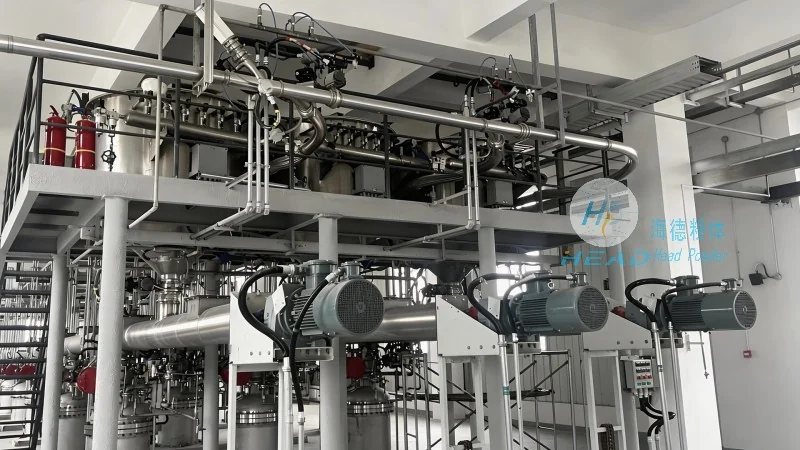
Introduction to Pneumatic Conveying for Caustic Soda
Pneumatic conveying systems use air or other gases to transport bulk materials like caustic soda through a pipeline. These systems are preferred for caustic soda due to their ability to handle corrosive materials and minimize direct human contact with the substance. The choice between positive and negative pressure systems depends on factors such as material properties, distance, and environmental considerations. Understanding the differences between these two methods is essential for selecting the most appropriate conveying solution for industrial applications.
Positive Pressure Conveying System
Positive pressure conveying, also known as pressure pneumatic conveying, operates by blowing air or gas into the material to create a positive pressure within the pipeline. The material is then propelled forward by the pressure differential. In the context of caustic soda, this method is often used for short to medium distances and for materials that are less abrasive or have lower moisture content. The system typically includes a blower, a hopper, and a pipeline with a discharge valve at the end. The positive pressure helps to prevent dust leakage and ensures that the material moves consistently through the system.
One of the key advantages of positive pressure conveying is its ability to handle a wide range of materials, including those with varying particle sizes and moisture levels. It is also relatively simple to install and maintain, making it a cost-effective solution for many industrial applications. However, this method may not be suitable for long-distance conveying or for materials that are highly abrasive, as the high pressure can cause wear and tear on the system components.
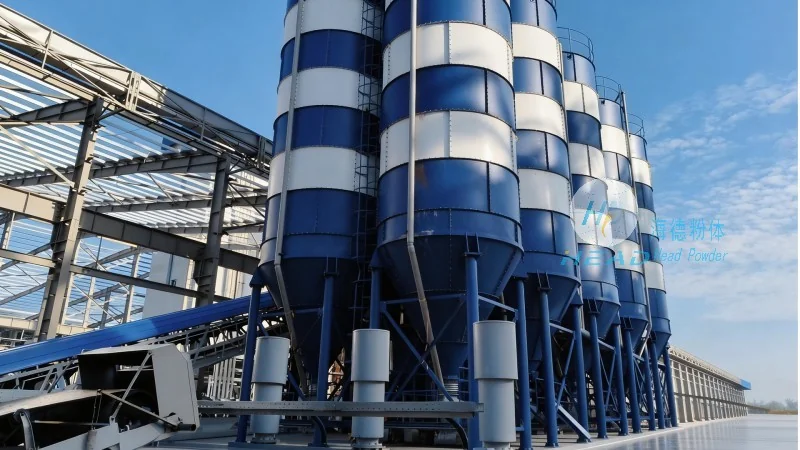
Negative Pressure Conveying System
Negative pressure conveying, or vacuum pneumatic conveying, operates by creating a vacuum in the pipeline to draw the material from the source. The material is then pulled through the system by the pressure difference between the source and the receiver. This method is commonly used for longer distances and for materials that are more sensitive to pressure or temperature changes. The system typically includes a vacuum pump, a hopper, and a pipeline with a suction inlet at the source.
A major advantage of negative pressure conveying is its ability to handle longer distances without significant pressure loss. It is also less likely to cause dust emissions compared to positive pressure systems, as the material is drawn into the system rather than being forced out. However, this method may require more complex equipment and higher maintenance costs, especially for long-distance applications. Additionally, the vacuum system can be more prone to clogging if the material contains large particles or debris.
Comparison of Positive and Negative Pressure Conveying for Caustic Soda
When comparing positive and negative pressure conveying for caustic soda, several factors must be considered. The primary difference lies in the direction of air flow and the pressure differential. Positive pressure systems use compressed air to push the material, while negative pressure systems use a vacuum to pull the material. This difference affects the system's efficiency, cost, and suitability for specific applications.
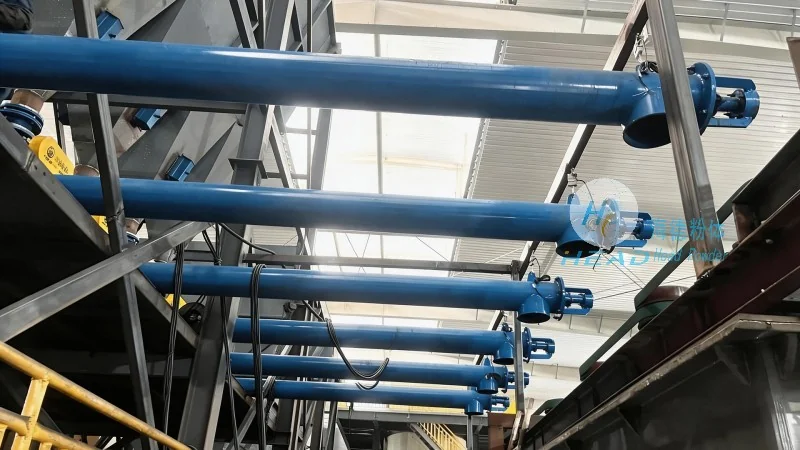
For caustic soda, positive pressure conveying is often preferred for short to medium distances and for materials with lower moisture content. It is more cost-effective and easier to maintain, making it a suitable choice for many industrial settings. Negative pressure conveying, on the other hand, is better suited for longer distances and for materials that are more sensitive to pressure or temperature changes. It is also less likely to cause dust emissions, which is an important consideration for environmental and safety reasons.
Another factor to consider is the material's properties. Caustic soda is a highly corrosive substance, and both positive and negative pressure systems must be constructed from materials that can withstand its chemical properties. However, the positive pressure system may require more robust components to handle the higher pressure, while the negative pressure system may require more careful design to prevent clogging and maintain a consistent vacuum.
Factors Influencing the Choice of Conveying System
The choice between positive and negative pressure conveying for caustic soda depends on several factors, including the distance between the source and the receiver, the material's properties, and the environmental regulations in the area. Short distances and materials with lower moisture content are typically better suited for positive pressure systems, while longer distances and more sensitive materials are better suited for negative pressure systems.
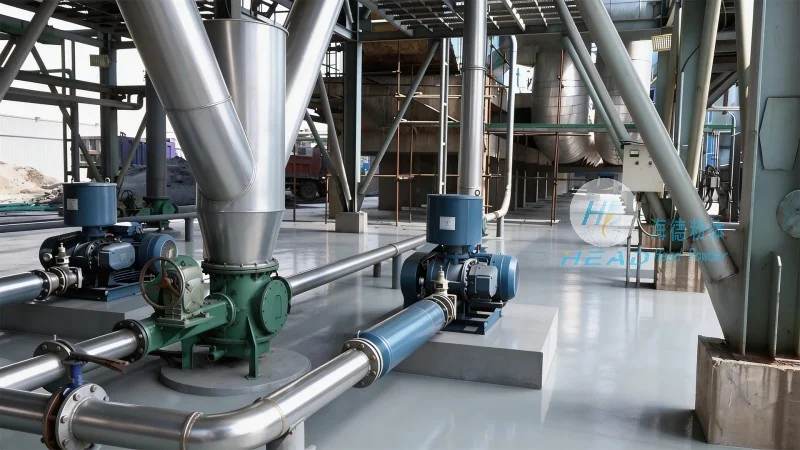
Cost is also a significant factor. Positive pressure systems are generally less expensive to install and maintain, while negative pressure systems may require more complex equipment and higher maintenance costs. However, the long-term benefits of negative pressure systems, such as reduced dust emissions and longer material life, may outweigh the initial investment for some applications.
Environmental considerations are also important. Both systems must comply with local regulations regarding dust and emissions. Positive pressure systems may require additional dust collection equipment to prevent environmental contamination, while negative pressure systems are generally considered more environmentally friendly due to their lower dust emissions.
Conclusion
In conclusion, both positive and negative pressure pneumatic conveying systems offer reliable solutions for the transportation of caustic soda. The choice between the two methods depends on factors such as distance, material properties, cost, and environmental regulations. Positive pressure conveying is suitable for short to medium distances and is more cost-effective, while negative pressure conveying is better suited for longer distances and more sensitive materials. By understanding the advantages and disadvantages of each system, industrial facilities can select the most appropriate conveying solution to ensure efficient and safe handling of caustic soda.