

Barium Sulfate Positive Pressure and Negative Pressure Conveying: A Comparative Analysis of Two Pneu
When it comes to transporting barium sulfate, selecting the right pneumatic conveying method is crucial for efficiency, safety, and cost-effectiveness. Two primary approaches dominate the industry: positive pressure conveying and negative pressure conveying. Each method has its own set of advantages and considerations, making it essential to understand how they differ and which might be more suitable for specific applications. This analysis will delve into the characteristics of both positive and negative pressure systems, focusing on their application in barium sulfate handling. As a key player in the industry, Shandong HeadPowder Engineering Co., Ltd., based in China, specializes in providing tailored solutions for material handling, including pneumatic conveying systems for barium sulfate.
Positive Pressure Conveying: Advantages and Mechanisms
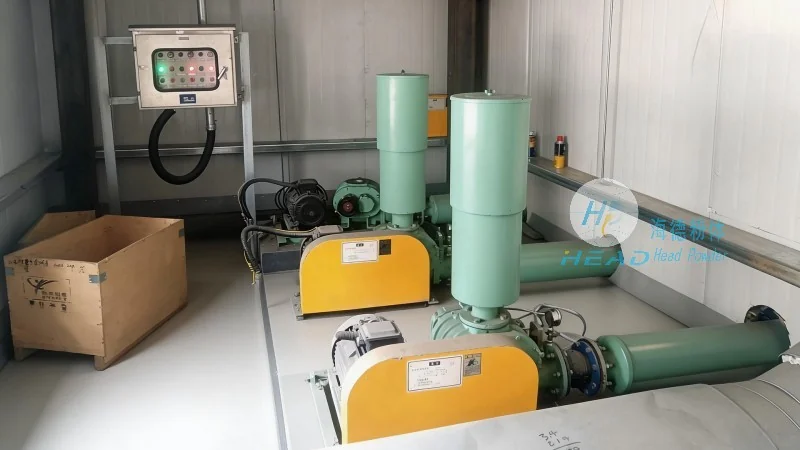
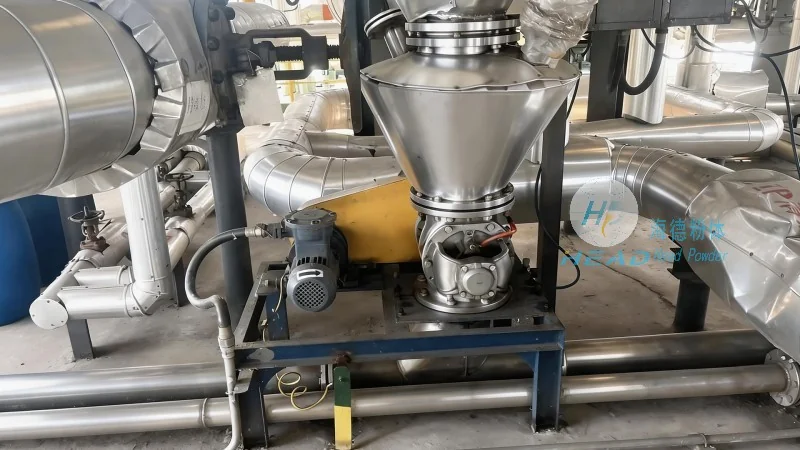
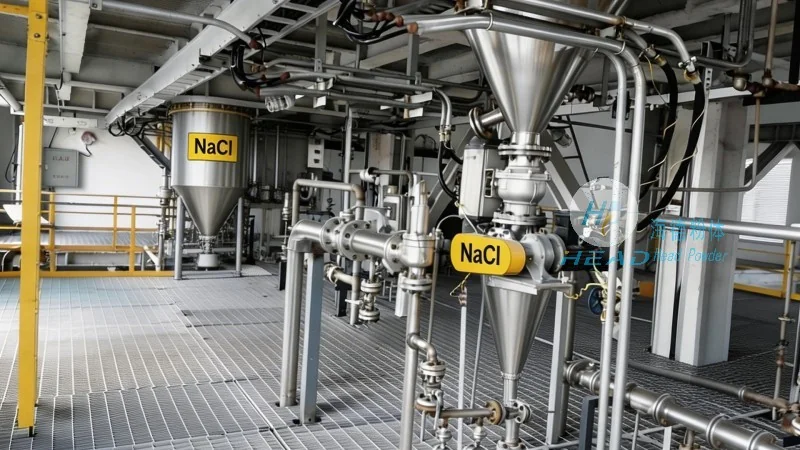
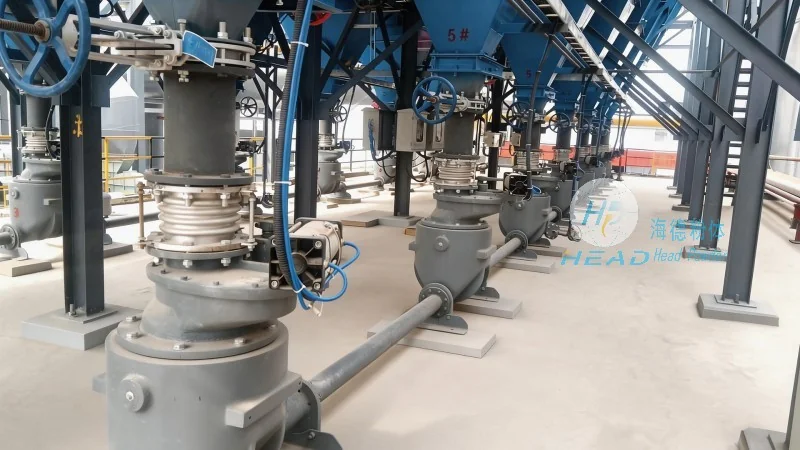
Positive pressure conveying, also known as pressure conveying, operates by blowing air or gas into the material to move it through the system. This method is often preferred for barium sulfate due to its ability to handle abrasive or sensitive materials without causing excessive wear or degradation. The high-pressure air stream ensures that the material is fully suspended and transported efficiently, minimizing the risk of blockages or material degradation. For companies like Shandong HeadPowder Engineering Co., Ltd., based in China, this method is particularly useful for long-distance or high-volume transport, as it can maintain consistent flow rates and reduce the need for frequent maintenance. Typically, positive pressure systems operate at pressures ranging from 0.5 to 1.5 bar, allowing for efficient transport over distances of several kilometers, making them ideal for industrial-scale barium sulfate handling.
Negative Pressure Conveying: How It Works and Its Benefits
Negative pressure conveying, or vacuum conveying, uses a vacuum to draw material into the system. This approach is often more suitable for shorter distances or when handling materials that are less abrasive. The vacuum system creates a pressure differential that pulls the material from the source to the destination. While it may be less efficient for very long distances or large volumes compared to positive pressure, it offers advantages in terms of lower energy consumption and reduced noise levels. For applications involving barium sulfate, negative pressure conveying can be effective for handling smaller quantities or when the material needs to be transported in a more controlled manner. These systems typically operate at vacuum levels between -0.5 and -1.0 bar, making them suitable for shorter transport distances, often up to a few hundred meters, and for handling fine or low-density materials.